
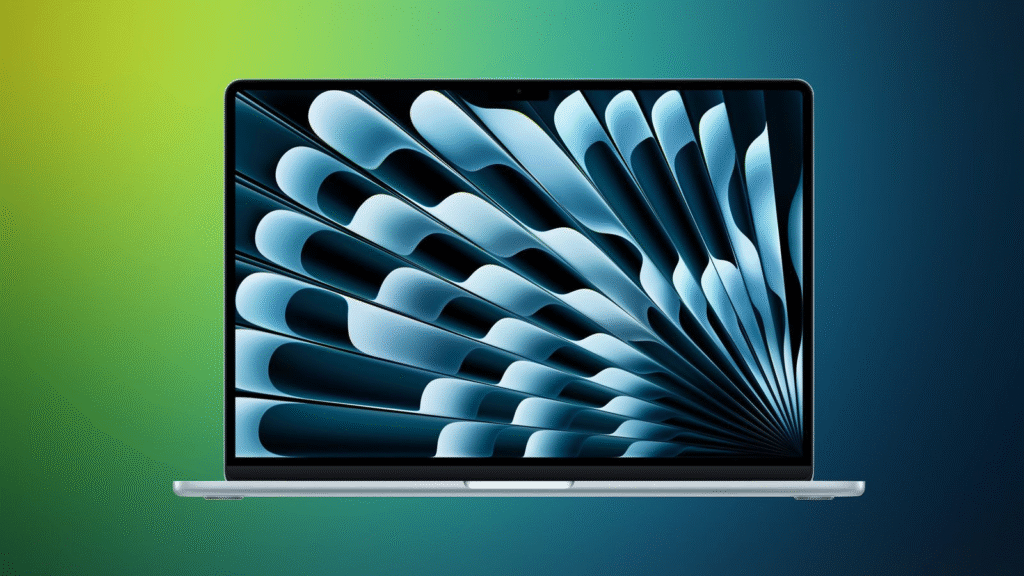
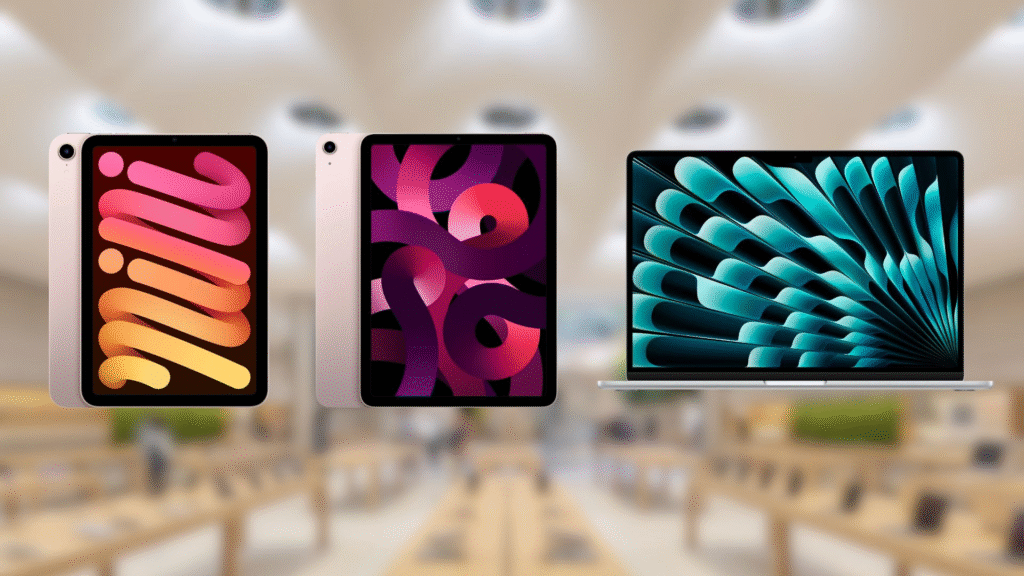
Apple is in an expansion plan of increasing the number of products it uses OLED screens in the coming two years. The first change is likely to be an OLED iPad mini that will be released at the start of the year 2026. Apple then plans to move the iPad Air to OLED in a later cycle and the MacBook Air after that. These moves would spread the benefits of OLED across the whole lineup and not leave higher-quality screens only in Pro models.
OLED screens produce blacks that are much darker, have more contrast, and the image is sometimes far more vivid than LCD screens. On small tablets and thin notebooks, this can become a distinct difference to watching videos or editing photographs. Apple is said to be solving the usual OLED limits with software and panel choices so that burn-in is not a serious concern for most users.
OLED iPad mini
The iPad mini is the likely first non-Pro iPad to get OLED. A new model is expected in early 2026 and it will aim to add water resistance and an improved speaker design in addition to the new screen. The mini is often the device that gets ideas that Apple later moves up or across the line. Putting OLED into the mini would give one of the smallest full-size iPads a very modern display that feels closer to the Pro level.
Apple may also refine the speaker system on the mini so the device can remain small while improving sound. The idea is to keep the device thin and light but still give a screen and audio match that make the mini feel like a premium tablet. That helps the mini stand out in a crowded market of low-cost tablets and e-readers.
Timing and impact
The general expansion will be slow. Next iPad Air OLED could come in 2027. This would later be followed by the MacBook Air, perhaps in 2028 or later. Apple often staggers big display changes so that supply and production can scale with quality control. OLED panel makers must ramp production to meet Apple levels, and Apple must also work on software tweaks for long-term display health.
For users, the change means a clearer visual split between current LCD devices and new OLED models. It will also allow Apple to sell better screen quality at more price points. For creators and casual users alike, the result will be more vivid photos, smoother video, and better contrast in apps that rely on color and shadow.
Why this matters now
OLED technology has matured, and panel makers have built better yields and higher brightness. Apple has also improved software methods to limit screen wear over time. That combination makes it practical for Apple to roll out OLED more widely. The change is not just about image quality. OLED can use less power when showing dark scenes, which may help battery life in some real-world use cases.