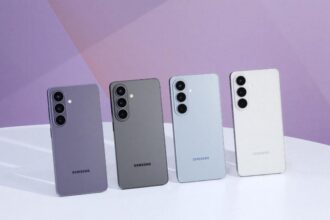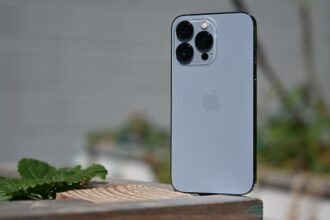
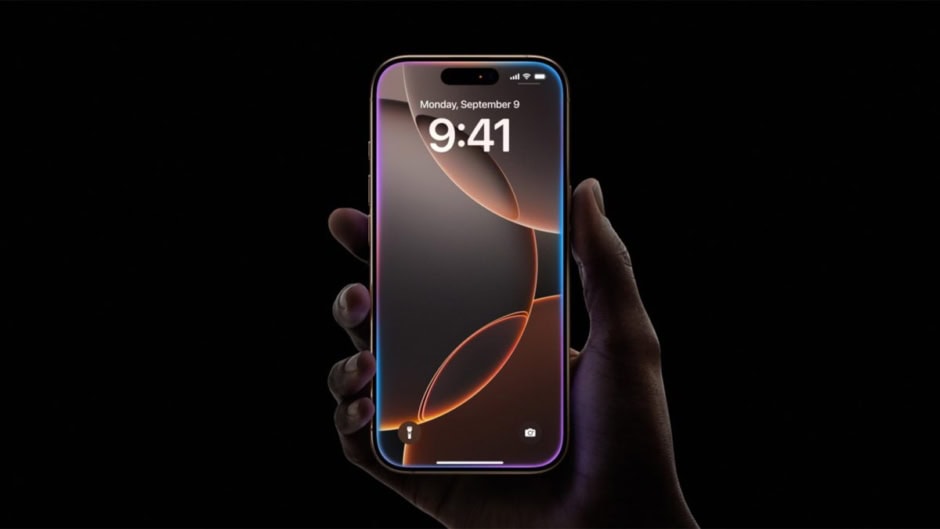

The rumor thread began on social platforms and was carried by tech news outlets. The claim is that the next pro iPhone will produce 24-megapixel front images instead of the 18-megapixel output used in recent models. This note unpacks what that likely means. It explains the difference between sensor size and the final image. It explains why more pixels are not always better for low light. It also shows how a higher output could change video calls and selfies.
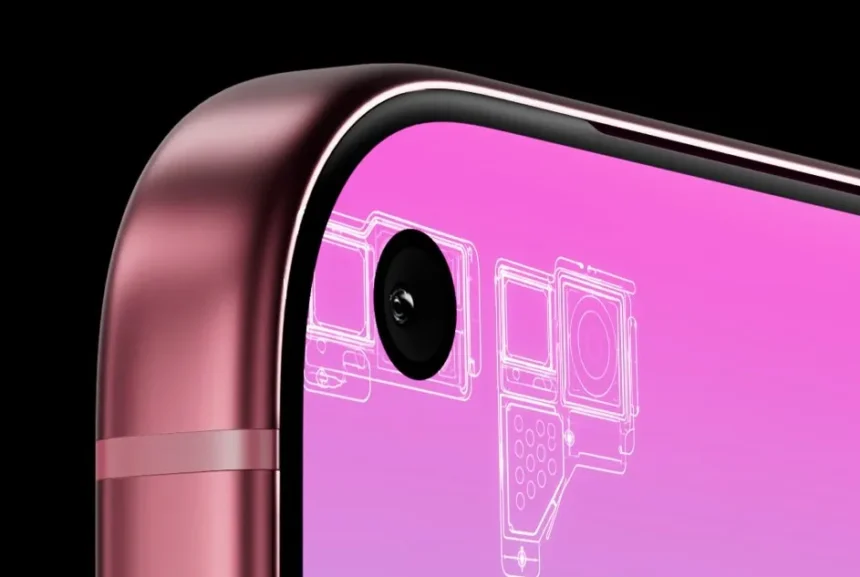
Front Camera Upgrade
A report from industry leakers says the iPhone 18 Pro may move to a higher resolution front camera. The claim centers on a move from an 18-megapixel final image to a 24-megapixel final image. At a glance, that is a clear increase. The change could arrive through a new sensor or through Apple changing how it processes images.
A sensor can be larger in pixel count than the photo you get. Apple and other phone makers often use pixel binning. That makes several pixels act like one larger pixel. Binning improves low-light performance and reduces noise. Binning also lowers the final resolution that the phone saves. A 12-megapixel image can be produced using a 48-megapixel phone sensor. This can be applied to front cameras. A new front sensor could be 48 megapixels, and the phone could output images at 24 megapixels.
A 24-megapixel output helps with tight crops and editing. It gives more room to crop for social media or for framing in video calls. It can also help face tracking features that crop and track the subject in real time.
Sensor Versus Output
A sensor is the hardware that captures light. The output is the file the phone writes. Many modern phones use smart processing to trade raw detail for a better low-light look. The final image may be smaller than the sensor’s native resolution. That is normal. The net effect is better photos when the light is poor.
A larger raw sensor number does not guarantee better photos for every scene. In bright light, more pixels can capture finer detail. In dim light, more pixels are often combined so that each effective pixel receives more light. That reduces noise and keeps faces bright during video calls.
Center Stage style features benefit from extra sensor data. Those features crop and zoom while keeping a person framed. A higher resolution sensor gives the software more pixels to work with. That can lead to smoother pan and a nicer crop while keeping image quality.
A resolution bump can also matter for future features. Face unlock or face authentication systems rely on the TrueDepth system and on depth sensors more than on the selfie camera alone. A sharper selfie camera will not automatically change secure authentication, but it can improve video quality and the feel of camera-based features.