
Apple appears to be following its usual calendar. Early line checks and small batch runs are underway for the iPhone 18 Pro. That does not mean mass assembly is happening yet. It does mean component suppliers and assembly partners are testing parts and processes.
Apple Production Timing
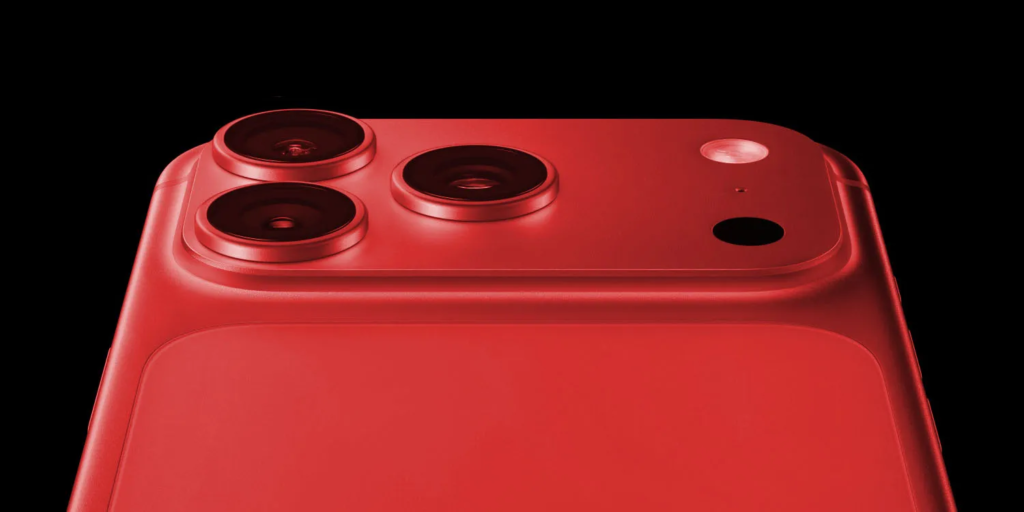
A Chinese leak on a social media platform stated that the iPhone 18 Pro is in test production. It is the step where small batches are run at the factories to test tooling, firmware, and supply lines. These tests check fit and finish. They also exercise software loads on engineering units. Test production does not yet mean final units will ship. The schedule still points to a normal fall launch for the Pro line.
Trade reporting covered the same update. One technology news site described the situation as a standard early-year activity for Apple supply chains. That report emphasized that materials and many specifications look similar to last year. The message was clear. Apple is repeating a proven rollout pattern. The article noted routine engineering and quality checks during this window. The supply chain prepares while engineering validation continues.
A single medium-sized test run helps vendors confirm yields. It gives Apple a chance to tune assembly jigs. It gives camera and modem makers a chance to ensure firmware works with production boards. The goal is to find problems early. The approach keeps bigger risks out of the mass production stage.
Supply Chain Check
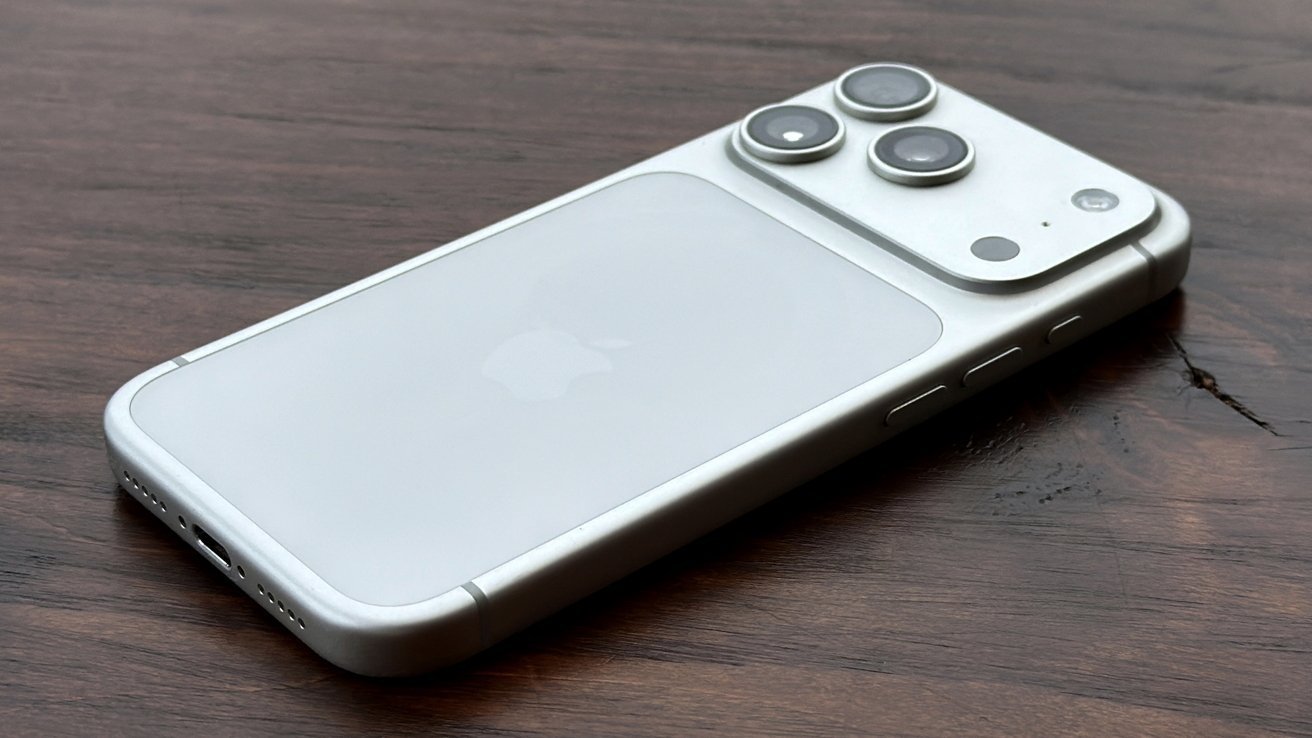
Parts for phones come from hundreds of suppliers. Each must hit tolerance and timing targets. Test production helps confirm those targets. A social media post from a manufacturing account reported that production lines for the iPhone 18 Pro are being turned on for testing. That post suggested that the materials mix has not changed much from the iPhone 17 series. The signal aligns with the idea that Apple will hold the core industrial design steady this year.

Engineering validation testing typically precedes mass production. EVT and pilot runs let Apple and its partners trial new process steps. Companies that make camera modules and RF components need time to tune their calibration. Test production is the moment when many of those actors run samples at scale.
What happens next is familiar. Suppliers increase volume as the line proves stable. Contract manufacturers add staff. Full mass production usually ramps in late summer for an autumn product release. The iPhone 18 Pro test activity is consistent with that calendar. It suggests Apple is on track but still completing standard checks.