
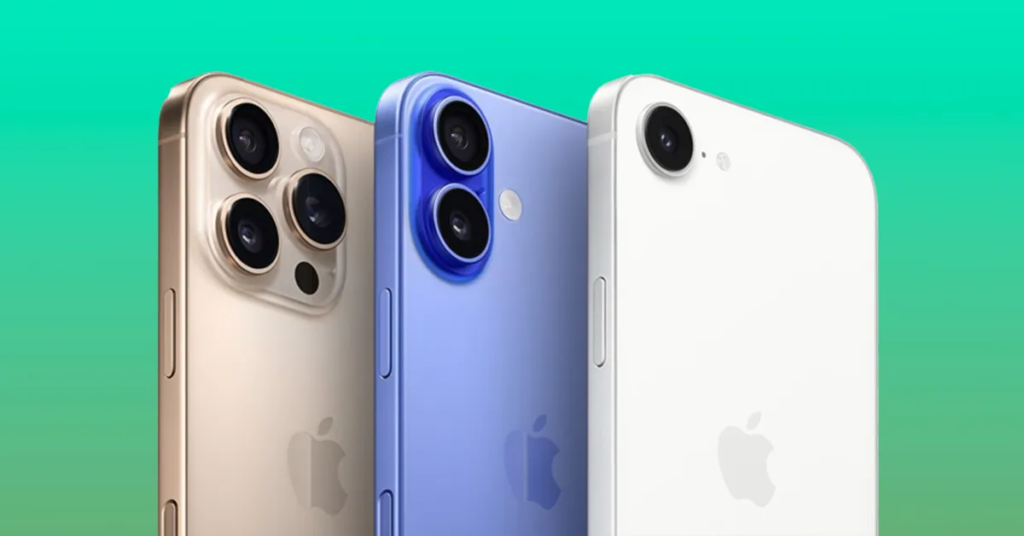
Apple is strategizing a split release of the iPhone 18 family. The iPhone 18 Pro models will probably be introduced by the company in the fall of 2026, and the iPhone 18 standard models will be released in the spring of 2027. Even that timing does not simply concern two large announcements of products. Industry sources say the schedule also responds to real constraints inside the supply chain and rising component costs.

Launch Timing Explained
Apple historically launches the whole iPhone family at once in September. The change now under discussion would mean launching only the premium models in the usual fall window. The second wave would bring the more mainstream and lower-cost models several months later. Multiple outlets that reviewed a Nikkei report and related industry notes are reporting this two-phase approach.
This plan helps Apple do two things at once. First, it lets the company focus initial production capacity on the most profitable and the most in-demand models. Second, it spreads the manufacturing deadlines across two cycles. That reduces the peak pressure on suppliers and on the factories that assemble devices. Industry executives told reporters that smoothing out the production schedule is a major driver behind the idea.
Manufacturing and Timing
The parts that go into modern phones matter more than ever. Memory chips are a good example. Demand from AI and data center customers has pushed up DRAM and NAND contract prices and tightened supply. That trend has made memory a cost and capacity pressure point for many device makers. The timing of chip deliveries and the price moves for memory are part of the commercial reality Apple must manage when planning mass production.
A split launch gives Apple room to work around those constraints. The company can prioritize the versions that require the most advanced silicon and the largest memory allocations. Later, it can bring up production for the models that use more standard configurations. The result can be less factory overtime, fewer urgent component substitutions, and a smoother ramp for suppliers. Industry analysts describe that as a pragmatic way to balance product ambition and manufacturing risk.
Apple executives have been open about rising component costs and the range of levers the company can use to manage them. During recent earnings commentary, Apple noted memory cost pressure and described a range of operational choices the company is evaluating. Those public remarks match the broader picture painted by supply chain reports and by independent research on memory markets.
Market Impact Ahead
A staggered launch is not only an operations move. It is also a commercial decision that changes how the market receives new iPhone models. Launching the premium models first keeps the spotlight on Apple’s flagship technology. Launching the rest of the lineup later helps preserve year-round attention on Apple products. That can shift carrier promotions, retail stocking patterns, and the cadence of trade-in and upgrade cycles for buyers. Market watchers expect carriers and retailers to adapt pricing and promotions around a two-wave calendar.
A split strategy has trade-offs. The company must manage marketing messages carefully so that customers do not feel they have to wait. Apple must also coordinate software readiness and accessory compatibility across two separate launches. On the other hand, the company gains more flexibility to match supply to demand for each model. That can lower the risk of early shortages for the most popular configurations and reduce the need to choose between volume and margin in a single production cycle.