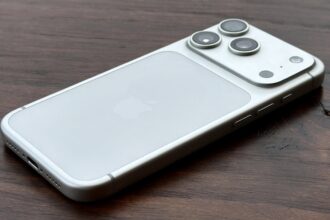
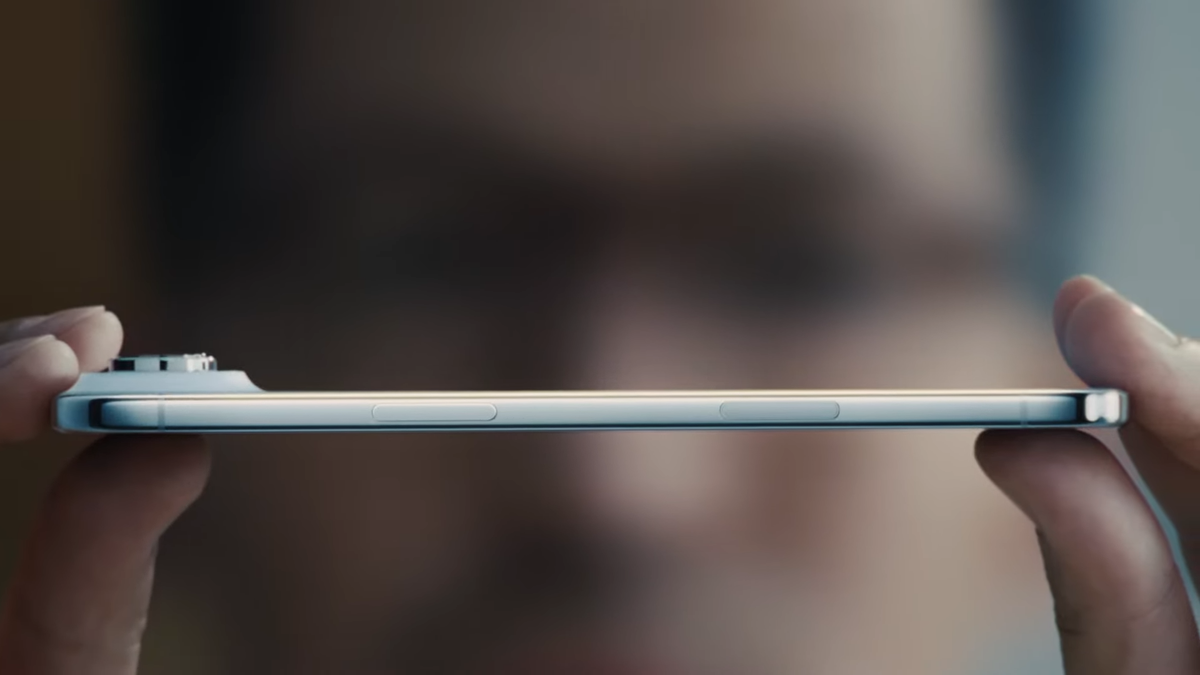

Apple announced the iPhone Air at its September event. The phone joins the iPhone 17 family as the thin and light model aimed at users who want a large screen without extra weight.
The Air runs on Apple A19 silicon. It includes 12 gigabytes of RAM and comes in 256 gigabytes 512 gigabyte and 1 terabyte storage tiers. These choices match Apple focus on fast performance and larger default storage for many buyers.
The screen measures 6.5 inches. It is a Super Retina XDR panel with support for a one to 120 Hertz refresh rate and HDR. Apple says the display can reach very high peak brightness for direct sunlight viewing.
Battery capacity is modest for the thin body. The Air uses a 3,149 milliamp hour cell in the models sold in most markets. That size reflects the trade off between thin design and battery life.
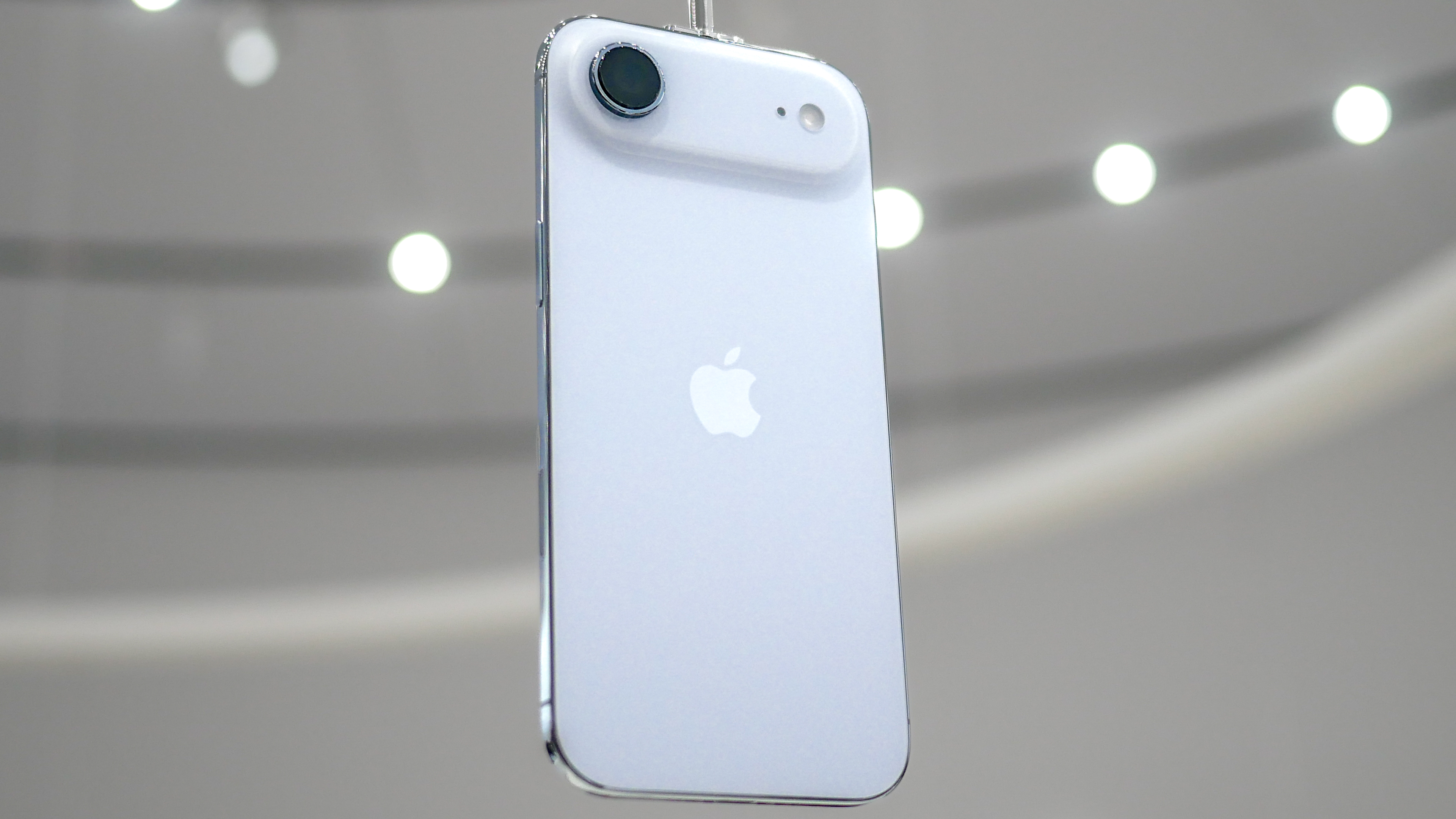
The rear camera is a single 48-megapixel fusion sensor. The front camera is now 18 megapixels and supports Center Stage for video calls and selfies. Apple tuned the cameras for better low light performance and for creator features like dual camera recording.
The chassis is very thin and light. Apple lists the dimensions roughly as 156.2 by 74.7 by 5.64 millimeters and a weight of about 165 grams. The phone is IP68 rated for water and dust resistance and ships with iOS 26.
Charging supports MagSafe wireless charging and fast wired charging with USB C. Apple did not include a power adapter in the box. The Air also supports Wi Fi 7 and modern wireless standards for faster connections.
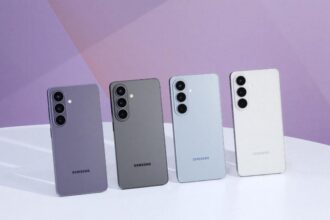
Apple will ship the iPhone Air in Cloud White Light Gold Sky Blue and Space Black. Availability and price depend on region and carrier options. Preorders and local launch dates were announced at the event.
What Buyers Should Know
The iPhone Air aims to balance a large bright display with a very thin body. That choice means the battery size is smaller than on the Pro models but the phone still packs modern performance and storage. Buyers who value a light device and strong display will find the Air appealing.
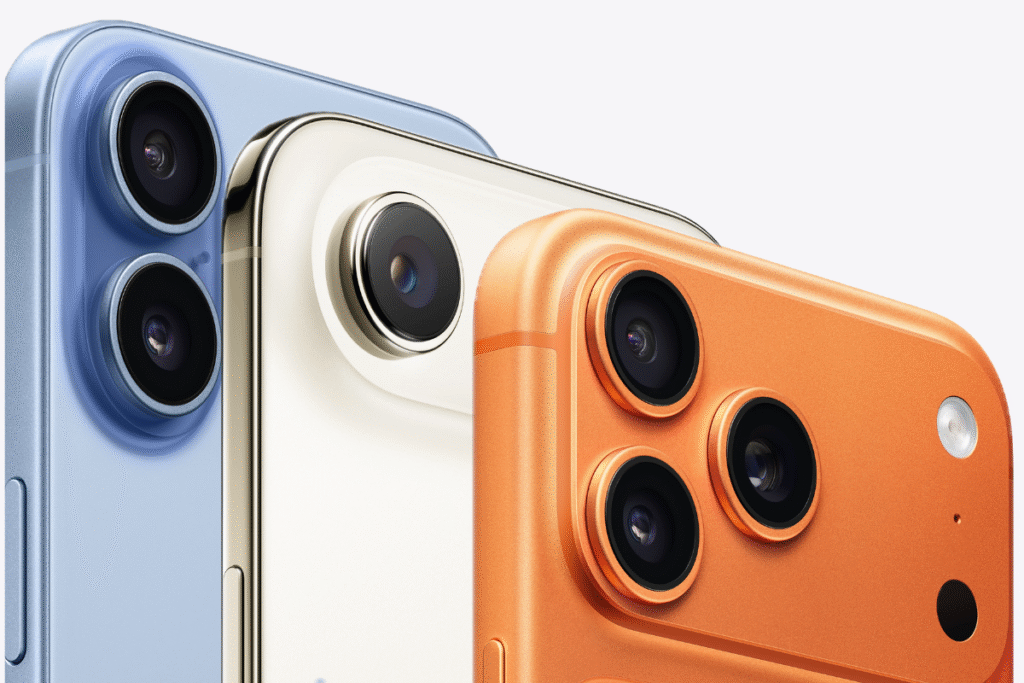
Creative users will appreciate the 48-megapixel rear camera and the larger selfie sensor. The single lens approach keeps the phone slim while still offering high resolution and software driven zoom and framing tools. The new front camera helps creators record higher quality selfie video.
Apple made the Air a serious option in the iPhone line by bringing top tier silicon and larger storage up front. The trade offs are clear and the choice will come down to whether you prefer thin design or maximum battery life.