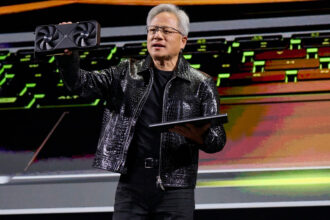
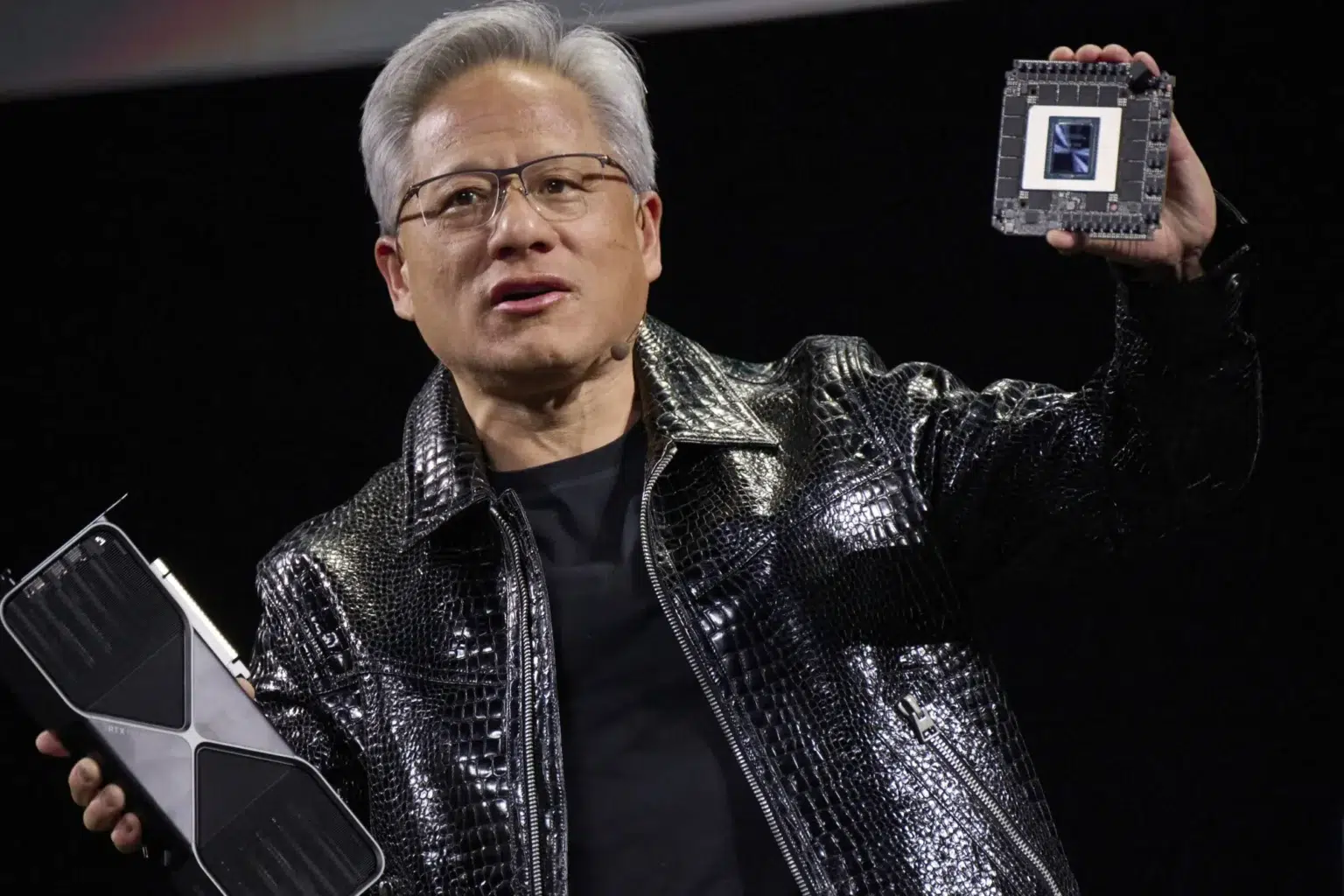

Nvidia made a show that was loud and unabashed. Jensen Huang set a clear tone. The company wants to be at the center of how the next wave of AI actually acts in the world. Below are three tight takeaways that matter right now.
Physical AI Push
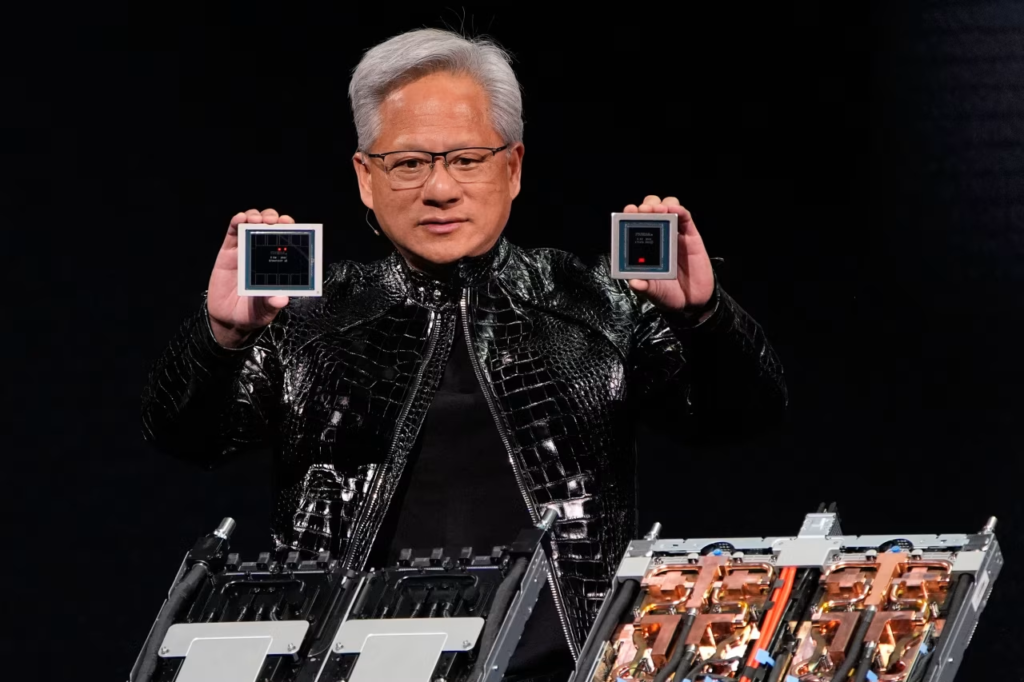
Nvidia bet twice on models that make things happen in the real world. The company demonstrated world models and agentic systems that train in simulation afterwards control robots, cars and factory systems. Nvidia referred to this change as physical AI and demonstrated partners who managed these systems on stage. It is a step away of chips which merely compute to systems which behave and learn things in real life.
No New GPUs
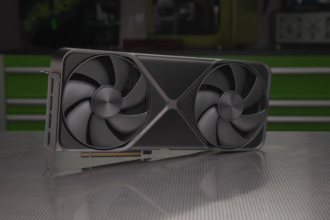
At the CES, Nvidia launched no new GeForce cards to the consumer market. The keynote rather revolved around Rubin which is a full size compute architecture that uses GPUs together with novel CPU storage and network fabrics in data centers. The message was simple. Nvidia is pursuing hyperscaler scale and data infrastructure transactions, and not the next gamer splash. That is an indication of the areas of actual expansion of the company.
Open Model Play
Nvidia drove openness as an expansion driver. The company declared a collection of base models and developer tools that may be utilized and adjusted by other companies. Such openness is intended to turn Nvidia into the standard stack to numerous AI projects without necessarily selling the hardware that is consumed by their projects. The plan is to be all places where compute and the models coexist.
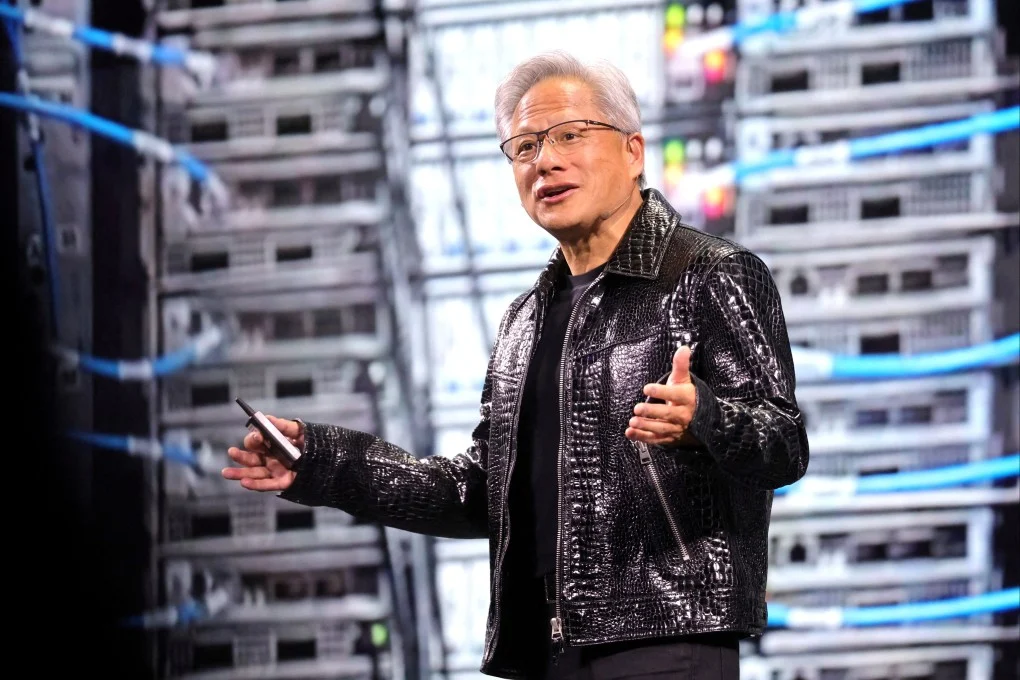
Nvidia opted to go big rather than spectacular. The company did not even take breaks to court gamers with drops of the products. It embarked on the ownership of the pipes, the systems as well as the models that will drive the next generation of automated machines.