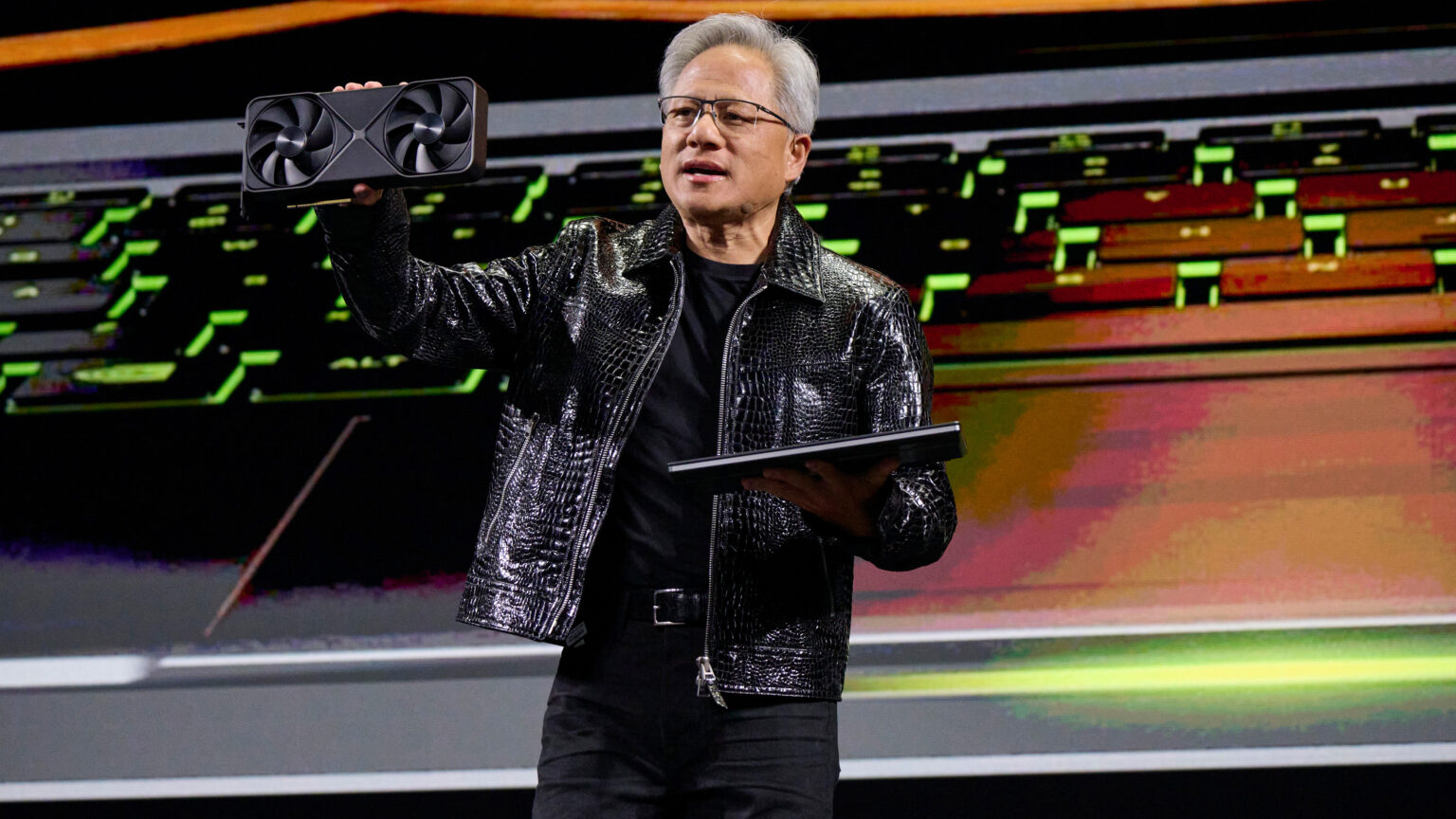

NVIDIA might not release any new consumer RTX gaming cards in 2026, and even the next complete generation of RTX parts might not go to market until 2028. This report goes back to an in-depth industry article that states that Nvidia has stalled or put on the back burner production of new gaming GPUs due to the constrained supply of memory and the company’s focus on other sectors.
The short version for gamers and builders is simple. The chips that power modern graphics cards are in high demand for data center and artificial intelligence systems. That demand is squeezing the supply of video memory and driving parts costs up. As a result, Nvidia has reportedly chosen to limit new gaming launches while it works around the memory problem.
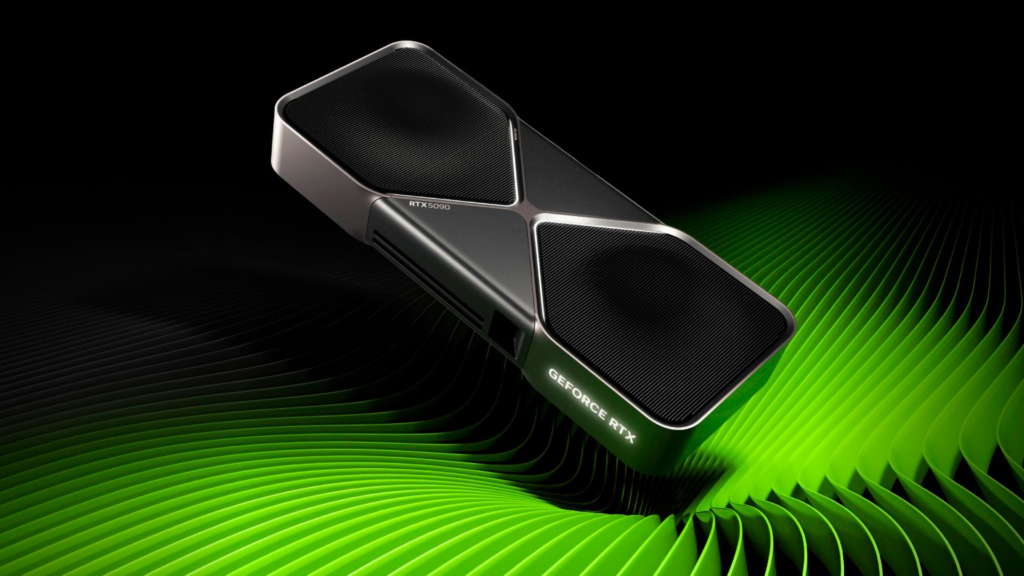
No GPUs This Year
Industry reporting says Nvidia completed design work for a planned RTX 50 Super refresh. The company then pulled back on production plans because the memory supply had become constrained. The move has a direct knock on the timing of the next generation.
That Super refresh was expected to raise memory capacity and power limits across several models. The planned changes included larger GDDR memory configurations and higher total board power targets for top models. Those same memory parts are in heavy demand from cloud providers and AI server builders. The supply pressure makes mass production for new gaming parts costly and uncertain.
Memory Supply Crunch
Multiple industry outlets report that the memory market is tight right now. Demand for high-bandwidth memory and fast GDDR variants is strong from AI hardware customers. Suppliers have limited capacity, and higher priority orders from data center customers can push consumer products back on the timeline. That is why analysts associate Nvidia’s timing shifts with 2028 to the next full generation.
NVIDIA officially admitted that its supply of memory is limited and it collaborates with its suppliers to get the maximum possible supply. The company said demand for GeForce parts remains strong while memory supply is limited. That statement matches the reporting that production priorities are shifting in response to the wider market.
What This Means for the RTX 60 Series and Gamers
The report suggests that the next generation of Nvidia gaming GPUs will not reach mass production on the earlier schedule. The earliest realistic window for those next-generation parts is now in 2028, according to industry sources. That timing reflects both memory availability and Nvidia production choices.
A delay in new cards can have several short-term effects. Component prices may rise where supply is tight. According to the Information, retail and channel inventory may change as Nvidia and partners prioritize some SKUs over others. NVIDIA may also shift more volumes to existing cards with lower memory configurations to stretch the available RAM supply further. Reports say the company has already adjusted supply plans to reflect those priorities.
How to Approach Buying and Building
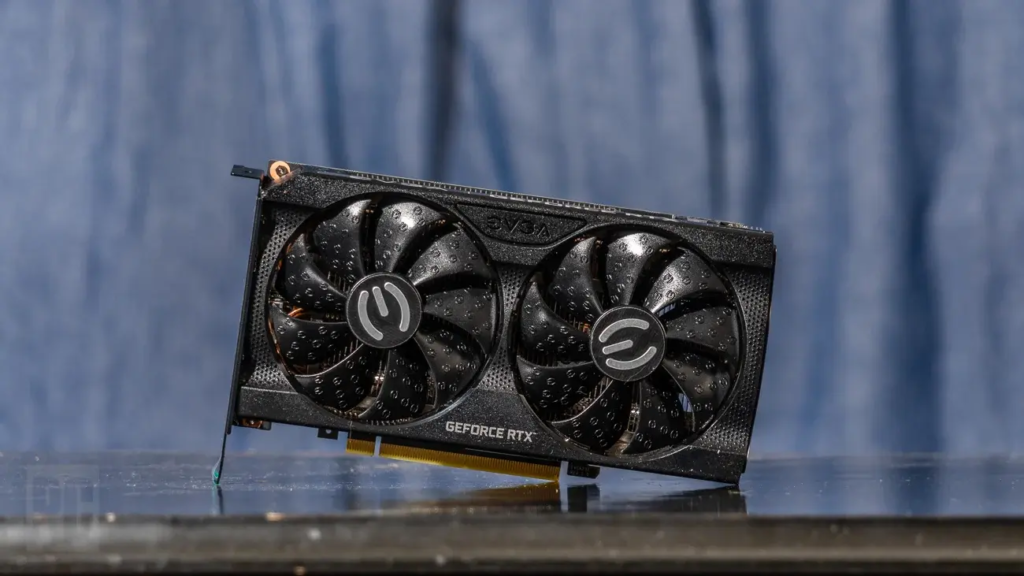
The safest approach for buyers who need a new GPU now is to shop with real expectations. Expect constrained choices and some price movement. Older generation cards may rise in appeal temporarily. Retailers and builders will adapt product mixes. It will help to monitor the stock level and price with the help of reliable retailers. Wait before committing big upgrade investments on Nvidia and memory suppliers make official announcements.