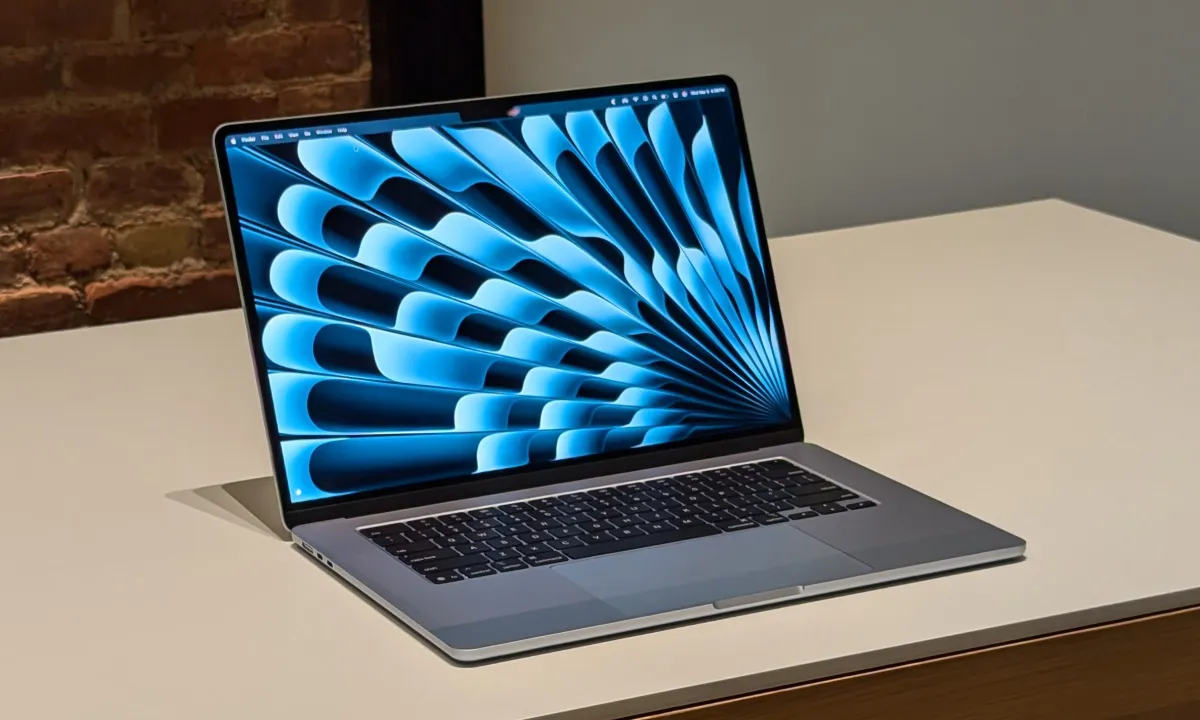

Apple is experimenting with a cheaper MacBook, which might not be released until early 2026. The model has been nicknamed J700. The machine could aim to challenge low-cost Chromebooks and budget Windows laptops. Reports say Apple is working with suppliers and is in early production testing. Sources for these claims include major industry reports and supply chain checks.
Apple has been associated with the strategy of diversifying its products to increase its buyers. The new model will be relatively cheaper than the existing MacBook Air models. To reach that price point, Apple may use simpler parts and a smaller screen. That would help the company compete in school markets and in countries where low cost matters most.

What to expect
The notebook may use an A-series chip rather than a Mac M-series chip. Using a phone class chip would lower parts cost and power draw. Reports say the display could be a smaller LCD rather than an OLED. Apple could offer fewer premium features to keep the price down. The machine may come in several colors to broaden appeal.
Apple has tested A-series silicon in Macs before. That step proved possible when Apple first moved to Apple silicon. Using an A series chip again would let Apple scale price and performance. The target retail price is said to be well under $1,000. Such a price would place the Mac in the same area as several trendy Chromebooks.
It is projected that the device will have a screen of approximately 13 inches. The size will balance portability and usability. The choice of internal components will determine battery life and performance. Apple may tune the A series chip for macOS use. That will help it run common apps and handle everyday tasks.
Market and price
Apple faces a crowded market. Chromebooks remain strong in education. Many low-cost Windows laptops have improved in value. To win buyers, Apple must offer clear benefits while staying affordable. Mac users value reliability and a polished software experience. If Apple can deliver that for a lower price, it may win new customers.
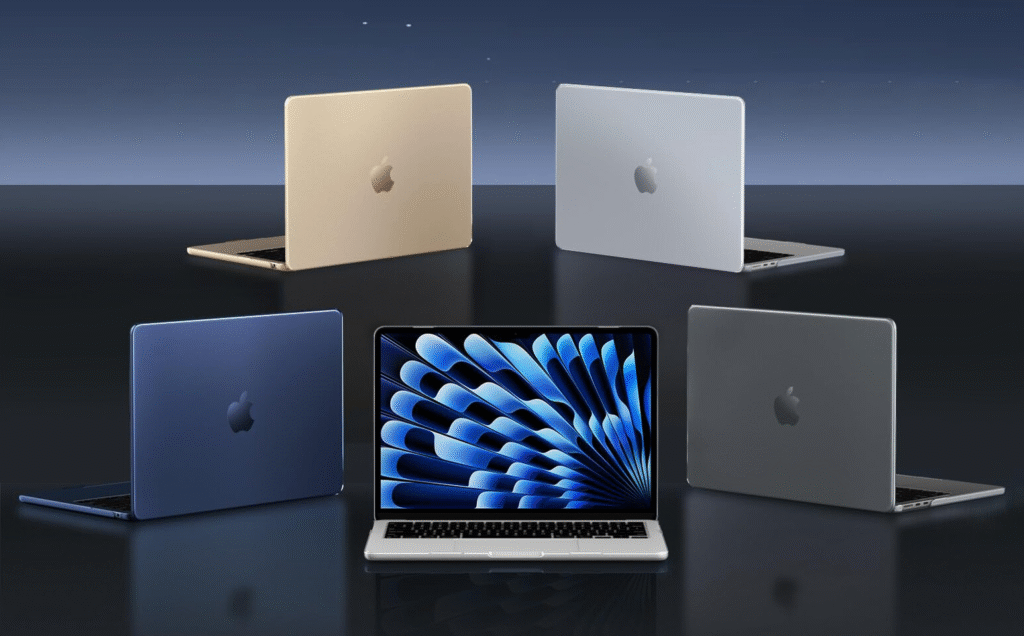
Pricing will shape how successful this model can be. If the price is close to the current entry Macs, then many buyers will choose the better spec option. If the price is truly under $1,000, many buyers may consider the Mac for the first time. Apple will have to balance margins and market share. The company may accept lower margins to grow device reach.
Apple may also face internal trade-offs. Lowering costs could reduce features that some buyers expect. Screen quality and keyboard design will matter to buyers. Most users will be basing their decisions on battery life and compatibility with software.