
Apple has recently ended a good year in the European market. Apple The firm sold more iPhones in the region in the year 2025 than it did in any other year. Analysts indicate that there was a total of 36.9 million units, and Apple had a market share of 27 percent.

Market Snapshot
Europe saw fewer phones sold overall in 2025. The total European smartphone market fell by about one percent year over year. That small decline left winners and losers in a different light. Omdia reported that Apple grew while the overall market softened. Omdia
Samsung led in raw volume. In Europe, the company disposed of approximately 46.6 million phone units in 2025. At position three, Samsung and Xiaomi had around 21.8 million units shipped. Xiaomi. These statistics indicate that the region continues to believe that there is an existence of high-end and low-end phones.
Why Apple Grew
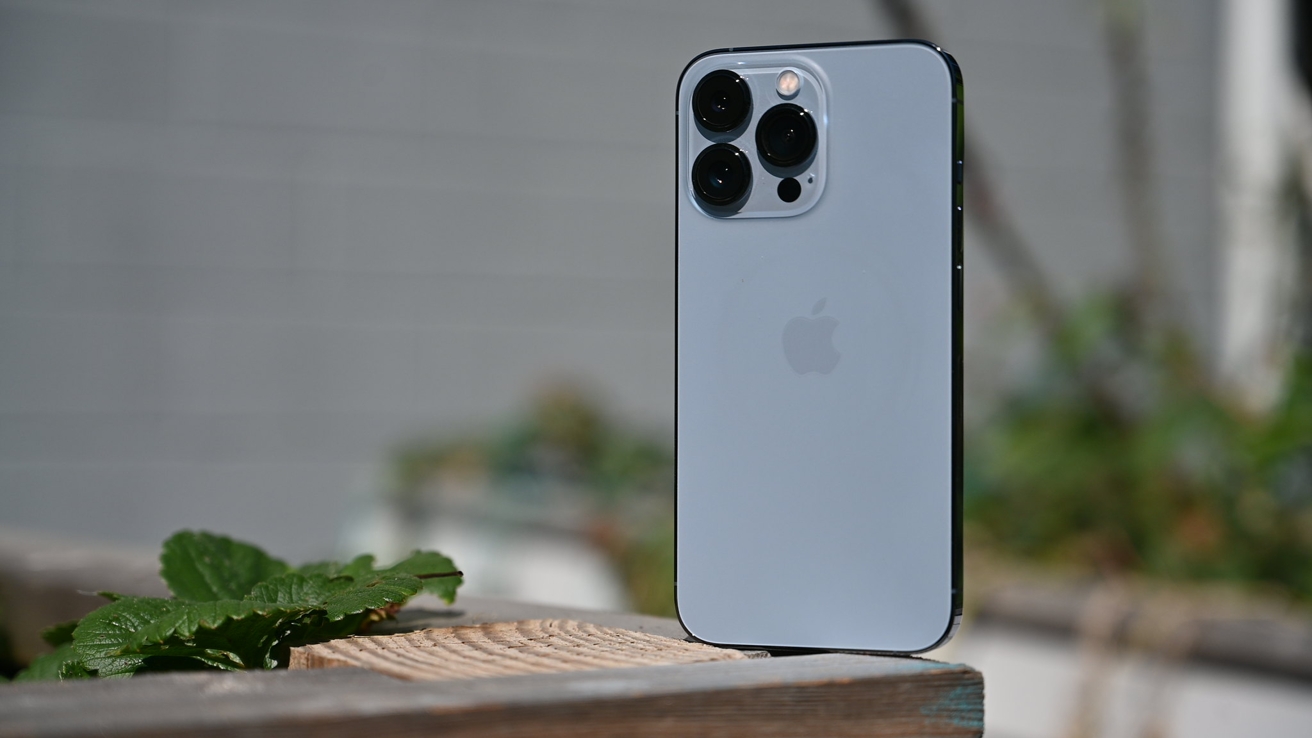
Replacement demand helped Apple. A lot of consumers who used the older models switched to the new ones, as the previous models of iPhones had some older hardware that was not compatible with USB-C devices. That formed an incentive to modernize. The iPhone 16 models and iPhone 17 Pro Max made it to the list of the best-selling products in 2025 in Europe. Those models could be found when analysts described the record numbers.
Price and profit matter. Apple tends to sell fewer units than some rivals but at higher average prices. That leads to a large share of profits in the region. Market watchers say this gives Apple an edge when it comes to investing in software and services that keep customers inside its ecosystem.
What Lies Ahead
Omdia sounded a cautionary note about 2026. The firm expects shipments to be under pressure next year. The reason is not weak demand alone. Supply issues for memory chips and for some processors are likely to limit how many phones vendors can build and ship. Those constraints could tilt the market again.
Other research groups also indicated high performance of the iPhone in 2025 on a global scale. One company has estimated that in the same year, about one-fourth of phones sold all over the world were iPhones. That wider trend matched the strong regional result in Europe.
Apple’s record in Europe is not just a product story. It is a mix of timing, model mix, and a supply and policy environment that nudged some users to replace older devices. The result is a rare moment where unit growth and market share both moved in Apple’s favor while many other brands faced flat or falling volumes.