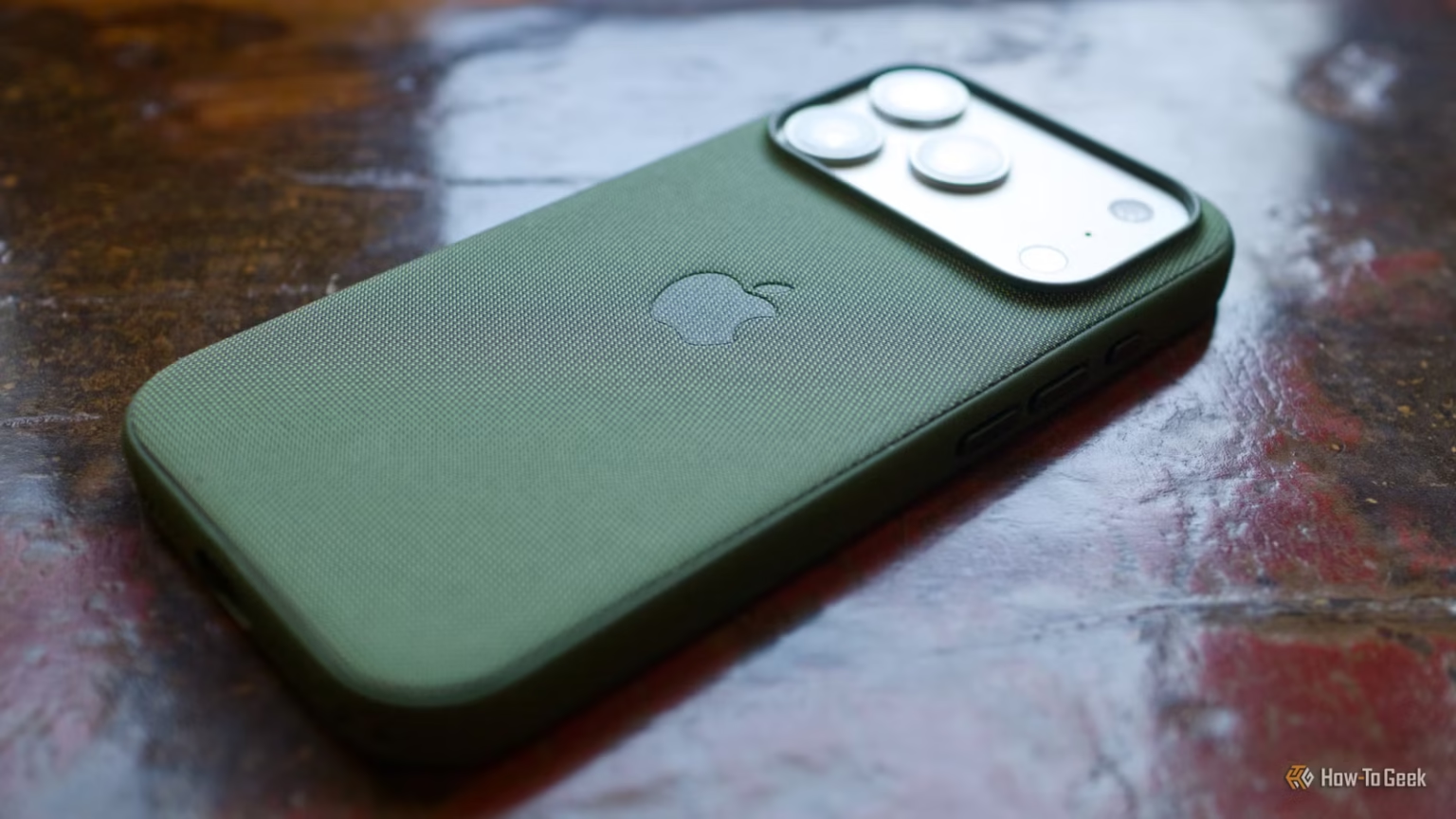

Apple has filed a patent that shows a removable case that can behave like a big antenna for a phone or tablet. The design uses a phased array and beamforming to track satellites and send more data than a small built-in antenna can handle. It filed its patent application in 2024 and made it public.

Patent and Concept
The proposal puts many small antenna elements into a case cover. The system uses beamforming to steer a radio beam toward one or more satellites. The case may open and point the antenna array skyward so that the user’s hand does not block signals. The document explains how the case can connect to a device through a radio connector or a near field link and then pass data back and forth. This is a shift from one low-power antenna built into the phone toward a larger system that can link to a satellite constellation.
Technical Trade Offs
A phased array expands effective antenna size. That allows higher data rates and longer contact time with fast-moving low Earth orbit satellites. The approach also requires space for electronics and for power. Some patent diagrams show the case using a tablet connector for power. The patent also notes how the case can reduce blockage by the user’s hand. Real-world use will need more power and more cooling than typical cases provide. Researchers have written about how handover between satellites and beam steering matter for stable service.
What This Would Mean for Users
A case that adds a large antenna is not a universal fix. The current emergency satellite feature works for all users with a supported device. A separate case would help people who expect to need long-range data and who plan ahead and buy the add-on. People who do not own the case might still be in places where they have no ordinary cell signal and no easy way to get full satellite internet. A case could bring faster data for some users while leaving others on the basic service that is built into current phones.
Practical Challenges
Making a case with a phased array costs money. It adds weight and bulk compared with a normal case. It also needs battery capacity and regulatory approvals for the radio transmit power and spectrum. A removable system also raises supply and support questions. Apple has many patents for antenna and phased array technology, and the firm has explored similar ideas in the past. Turning a patent into a shipping product will require solving heat and power limits and meeting rules in many countries.
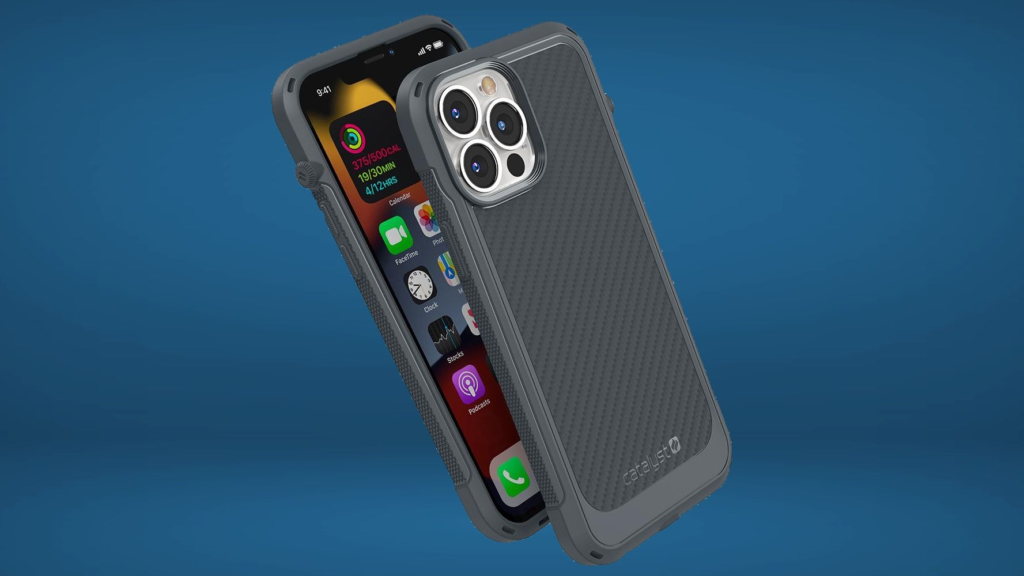
The patent shows one way to get closer to full internet from space on a consumer device. The case design could make satellite links more practical for long sessions and for higher throughput. The idea trades simplicity for capability. Consumers and regulators will need to weigh those trade-offs if such a product moves from paper to production.