
A recent hardware mod shows how far skilled technicians can push an iPhone Air. The work made the rear glass clear and added a physical SIM tray to a model that ships with eSIM only. The finished phone booted, placed calls, and used mobile data. The project also revealed several practical costs. Linzin filmed the full process and posted a long video from the market district where the work was done.
What They Did
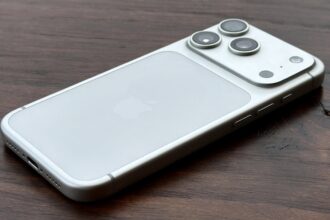
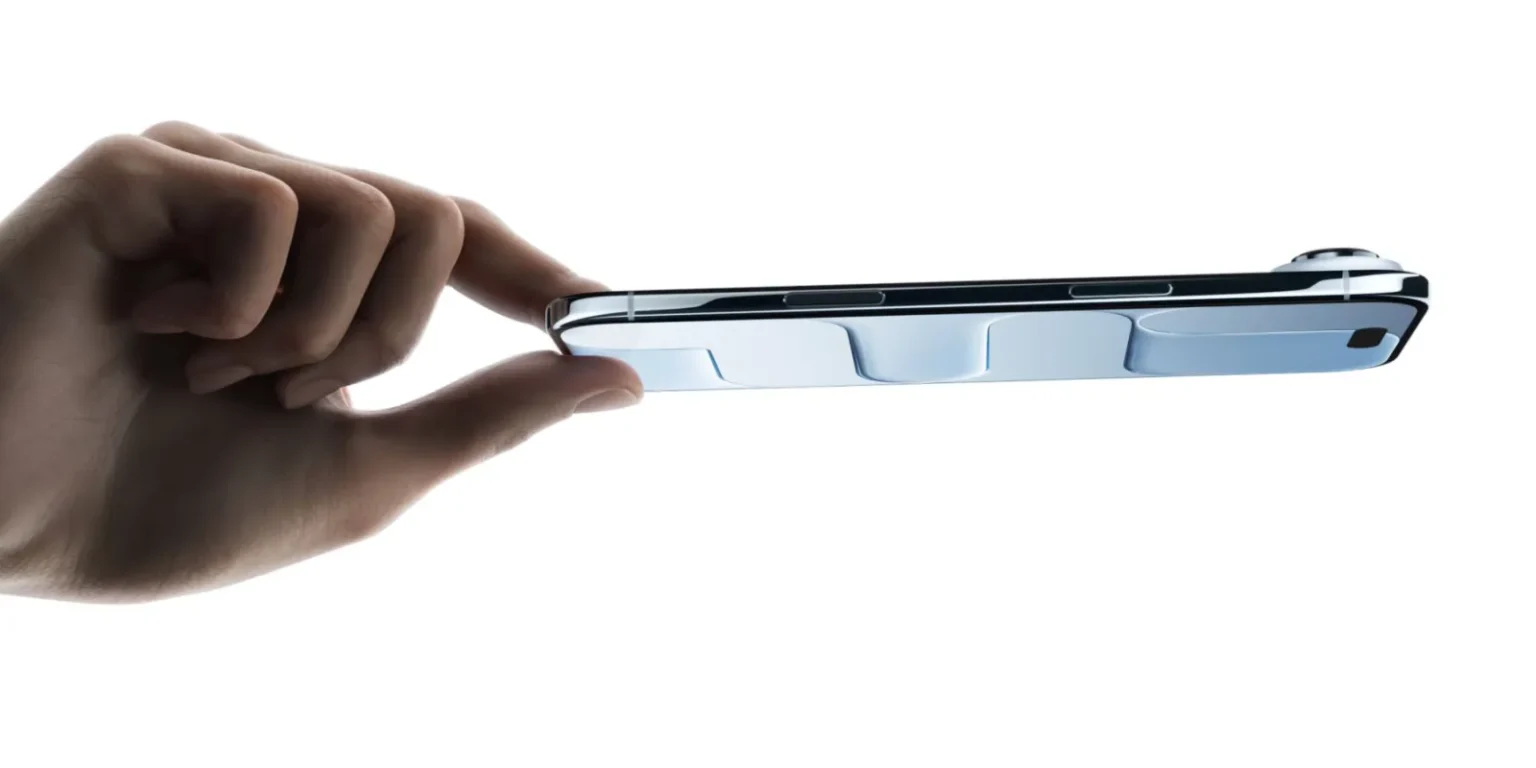
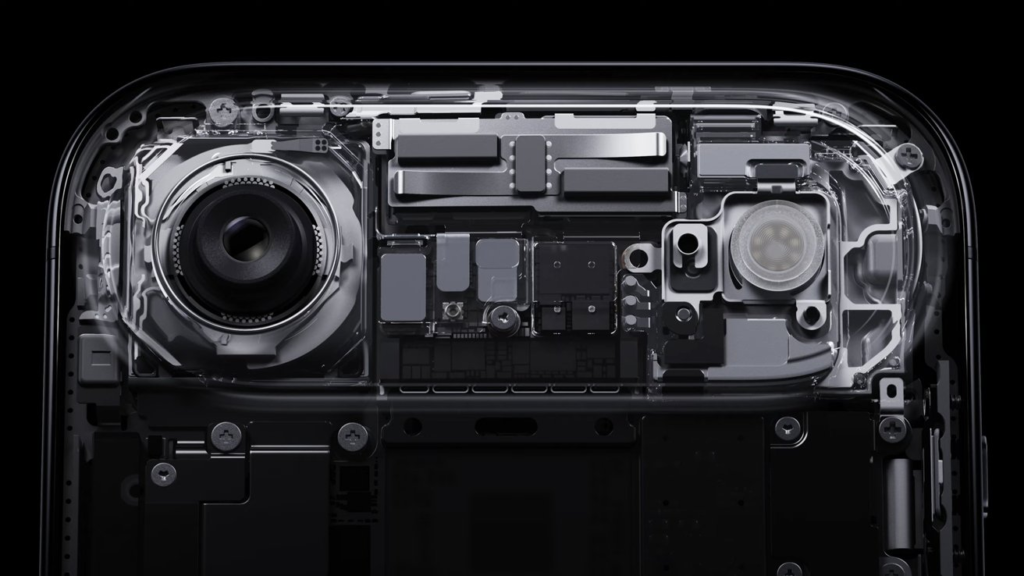
Technicians removed the paint and inner coating from the rear glass so the logic board would be visible. They used a laser for that step and then reassembled the glass so it looked like a factory clear back. They also milled a slot in the thin metal frame and added a physical SIM tray. The work required tiny soldering and rerouting signals on the board to make the new tray function with the phone’s cellular system. These changes let a standard SIM be read and used for calls and data on the modified unit.
They also removed internal thermal sheets and changed the Taptic Engine. The large factory haptic motor was replaced with a smaller motor to clear space for the tray. The smaller motor reduced haptic strength and altered the feedback feel. The phone ran hotter under stress testing than an unmodified unit. That happened because the original thermal graphite layers were removed during the process. The video and local reports document the changes and the testing that followed.
Real World Limits
The phone lost its water resistance. The factory sealing and thermal layers are part of a tested design. Removing them makes the phone more fragile. The mod also used thin milling near antenna lines and near structural supports. That increases the risk of future failures. The person who recorded the work showed a microphone problem that later required shipping the phone back for repair. Independent outlets that covered the hack found the same fragile trade-offs in their checks.
The modders achieved a working SIM slot. The phone accepted a card and connected to the network after a reboot. The mod did not always permit hot swapping. The phone sometimes required a restart to register a newly inserted SIM. That is a sign that the modification used board-level reroutes rather than a factory-designed interface.
Why Apple Did Not Design It That Way
Apple balances many factors when it makes a new model. The factory design keeps thermal performance, long-lived durability, and consistent haptic tone. The company chose eSIM only for the Air to meet those trade-offs. The clear look reveals why those choices exist. Some components are sized and placed for thermal spread and for structural support. Making those parts visible means designers had to hide or remove protective layers. That weakens long-term reliability.

Skilled shops in Shenzhen’s famous market district are known for creative and high-skilled work. Those teams can do microsoldering and custom machining that most customers cannot. The work is impressive, but it is not free of cost. The phone’s warranty is void once the chassis has been opened and the sealed layers are removed. The modders in the video make that clear when they describe the repairs and the handling needed to keep the device running.