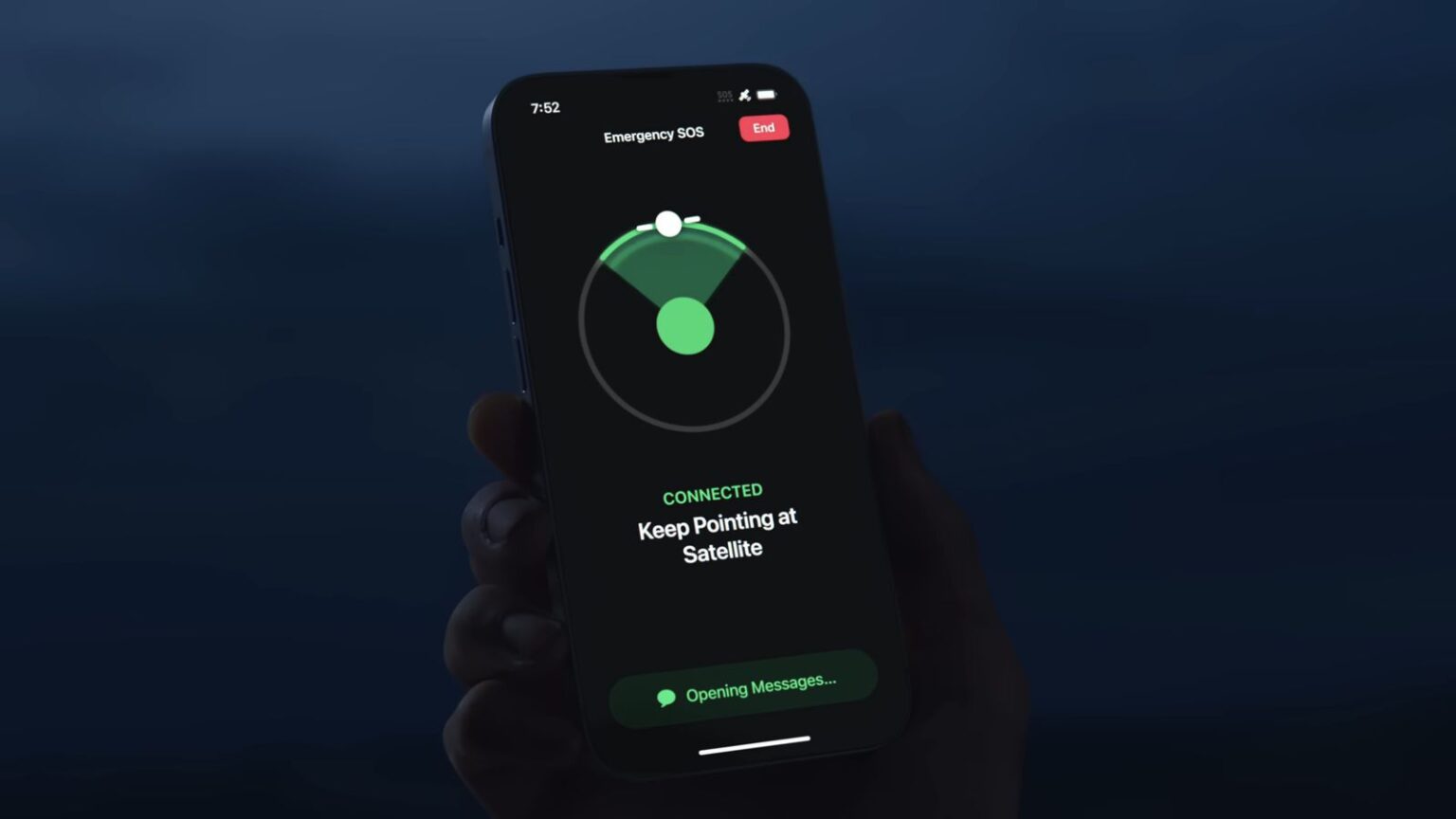

Apple is working on technology that could let future iPhone models connect to satellite networks with full 5G speed. Reports point to support for NR NTN in Apple modem hardware. This change could move the phone from limited emergency messages to regular data and voice use when terrestrial networks are unavailable.
What NR NTN Means
NR NTN stands for New Radio for Non Terrestrial Networks. The 3GPP standard is the one that introduces satellites and high altitude platforms into the 5G ecosystem. The standard outlines the manner in which phones communicate with the orbiting nodes, and the manner in which carriers are able to route traffic between the satellites and their networks. The goal is to make satellite links behave more like normal 5G coverage.

How the Tech Could Work
A future iPhone modem with NR NTN support would let the device register on a satellite served radio cell and carry normal data sessions. Apps could keep syncing and messages could arrive without manual steps. The C2 modem that Apple is developing is the likely hardware candidate for this change and reports suggest support may arrive in models that ship later in 2026. That would require both modem firmware and carrier side systems that can route user traffic through satellite operators or through carrier backhaul.
Industry Context and Testing
Related systems have been tried (or introduced) by major telecom vendors, and some device makers. Huawei has held various open trials and has supported 5G advanced and NTN services in its networks and devices, across the year 2025. One factor that makes industry players anticipate wider practical application of satellite aided 5G in the coming years is the fact that testing in this regard is one of the reasons. Cloud and satellite operators are also developing services that carriers can tie into for expanded coverage.
Users in remote areas could get access to much higher bandwidth than current emergency tools offer. Messages would not need manual pointing of the phone at the sky. Apps could fetch updates more often without waiting for a terrestrial link. Voice over data might be a reasonable option in areas where there is no cell tower, but a satellite can be seen. The battery life will be more important and manufacturers of phones will have to optimize the power consumption in cases where a handset maintains a satellite connection.
Developer and Carrier Implications
Developers may gain access to new APIs that let apps use satellite connectivity when available. Carriers will need to add routing policies and business models to bill and manage satellite sessions. Satellite operators and cloud providers could act as partners that supply backhaul and gateway services. A marketplace of roaming agreements will be needed to scale service across regions and operators.

Hardware and Timing NR NTN requires antenna design and radio front end changes that perform well at satellite link geometry. The C2 modem rumor links the feature to an incoming iPhone generation that uses Apple silicon and custom modem hardware. Leaks place broad support for NR NTN as arriving in 2026 with mass production timed to match new phone launches. The speed of deployment will depend on carrier support and on satellite capacity that can carry large volumes of consumer traffic.