
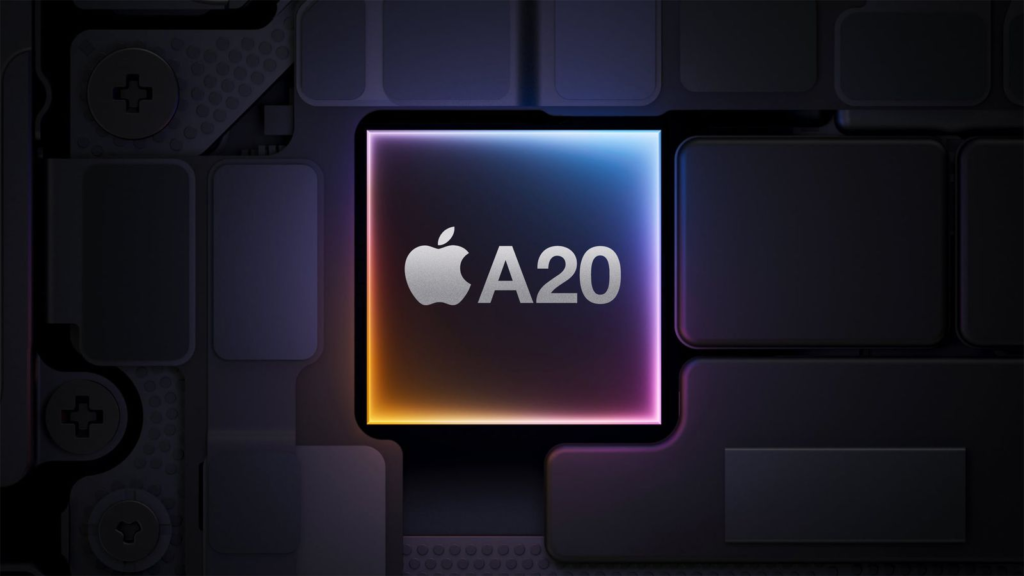
Apple may be heading into 2026 with a chip bill that looks very different from past swings in processor cost. Reports now say the new A20 chip built on 2 nanometer class process nodes could cost Apple roughly twice what the A19 did per unit.
This is not a small supply chain gripe. The jump in per chip cost is tied to three real pressures that arrive all at once. First is the new transistor style known as gate all around or nanosheet. That change improves power use and density. It also adds process complexity that raises early production cost and yields risk for first generation runs. Technical explainers set out how GAA and nanosheet transistors wrap control around the channel to cut leakage and boost efficiency.
Second is wafer and packaging economics. A move to 2 nanometer class nodes changes the cost math on every wafer. Early runs are expensive. Advanced packaging and tight yield windows raise the per chip bill. TSMC is the center of the 2 nanometer ramp and it has moved quickly to volume steps on its N2 line. Yet even with a fast ramp the first generation parts command a premium while fabs chase yield improvements.
Third is memory. The industry is still coping with tight DRAM supply and higher memory prices. That pressure raises the bill of materials for a flagship phone. When memory costs climb at the same time as wafer costs rise, the per device cost can move far faster than the market expects. Trade and market analysis firms have tracked rising memory prices and a constrained market in 2025.
Why Chips Cost
Apple’s A20 plan looks like a textbook example of a powerful product choice that is also costly in the short run. The company can get better sustained performance and longer on device AI use through 2 nanometer silicon and nanosheet transistors. Those are real user benefits. They also cost more now than they will in three years of mature production. Reports that place per chip cost near double the A19 do not come from wishful thinking. They come from a moment when new process complexity, packaging, and memory all point in the same direction.

There is a second angle here. Samsung is not standing still. The South Korean foundry pushed its own 2 nanometer class node into early mass steps and plans chips such as the Exynos 2600 on that tech. That competition matters. If Samsung can offer a 2 nanometer class part at lower wafer cost, vendors may split orders or demand price relief. That contest could blunt some of TSMC’s pricing pressure over time.
Yet reality now is not future promise. The first wave of N2 silicon and the first wave of GAA silicon across foundries carry a premium. Apple can absorb some of that cost by taking margin or by betting on scale. It can also choose to hold retail prices steady and eat some of the bill. The market will watch which path the company picks for its flagship models in 2026.