
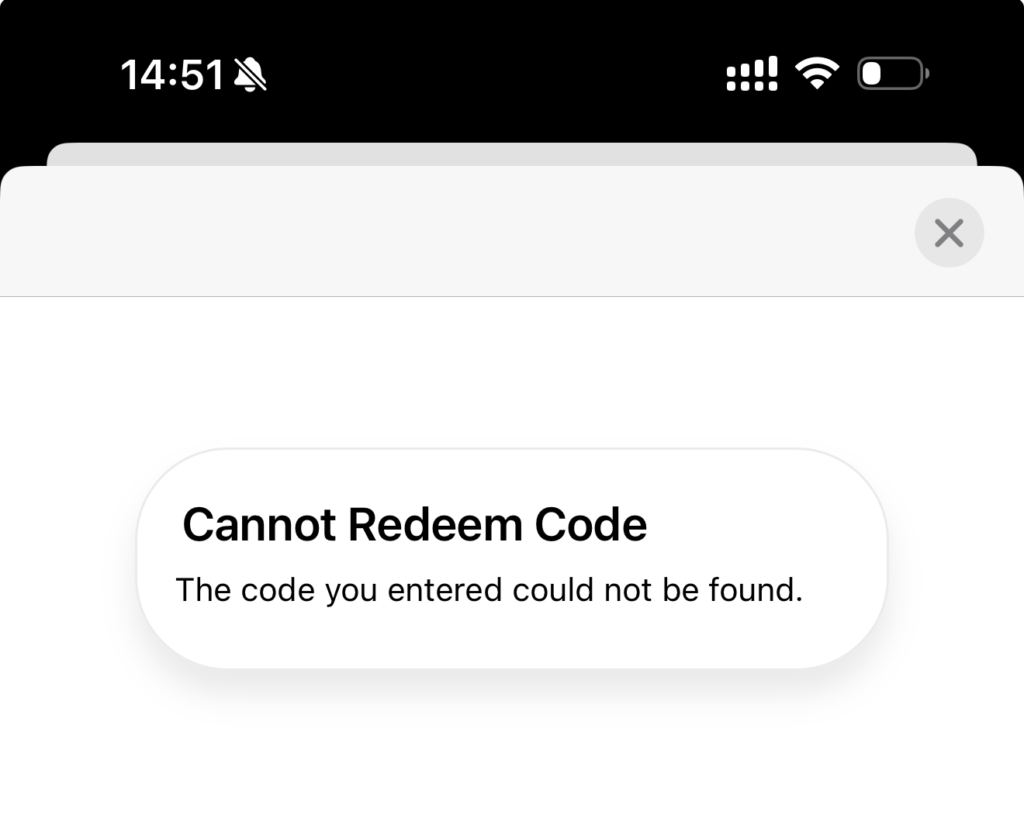
A single gift card try left a long-time Apple user locked out of an Apple ID that held decades of photos, messages, and purchases. The account owner tried to add a $500 Apple Gift Card to pay for a large iCloud plan. The code failed, then the account was closed, and the user lost access to iCloud content and many services.
Apple’s terms of service let the company suspend or close accounts when it suspects fraud in gift card use. The fine print also lets Apple void content codes or ask for different payment forms when the company sees a problem with codes. That legal power explains how a single payment event can trigger a broad lock.
How the Lock Happened
The public account of the event shows a short sequence. The user bought a gift card from a major retailer. The first code did not work. The retailer reissued a code. The user added the new code to the account. Soon after, the account was locked and marked as closed under Apple Media Services rules. The user provided receipts and asked Apple to review the block, but frontline support gave limited details and resisted escalation.
Apple support pages tell customers to contact support when they suspect a gift card scam. The guidance warns users not to share redemption codes and to report suspicious purchases. The guidance also links scams with account risk and gives steps to report stolen or fraudulent codes. That guidance is aimed at helping victims, but it does not guarantee a quick human review of account closures.
Account closures for suspected fraud are rare but not new. Other users have reported similar locks after unusual gift card activity or after many gift card redemptions. Third-party reports and forum threads show that the outcome of a case can depend on how the account flag is reviewed and whether documentation convinces a human investigator to restore access.
What was Lost
The block did more than stop purchases. Photos, messages, and device sync stopped working. The user could no longer update apps or sign into services tied to the Apple ID. Linked developer accounts and memberships faced disruption. In practical terms, the devices kept working locally, but they could not reach the cloud services tied to that Apple ID.
Why Human Review Matters
Apple says its advisors sometimes cannot share the full reason for a block. Part of the reason is that revealing how the system detects fraud could let bad actors avoid detection. That constraint can make it hard for a customer to know what steps will prove innocence. A clear human review step matters in cases where the evidence is a faulty or compromised gift card issued by a retailer.
How to Protect Yourself Now
Always purchase gift cards from trusted sellers and retain the receipts with the serial number of the card purchased and the place of purchase. A backup of photos and valuable files that are on iCloud should be saved on an offline storage device. When it is practical, use a different email and Apple ID for both developer-related and personal data. Keep copies of receipts and transaction records for high-value purchases and save them in more than one place. These steps do not block every risk, but they make recovery much easier.
What to do if This Happens to You
Call Apple support as soon as possible and make a case regarding the specifics of the purchase and gift cards. Store a copy of receipts and serial numbers of the gift cards. Request a step up to a superior review team and be tenacious. Document all contacts with Apple, including dates, times, and representative names. Consider raising the case through other official channels, such as an account holder relations or a legal contact, if the normal channels provide no response. Community forums can help share tactics, but they are not a substitute for a formal human review.
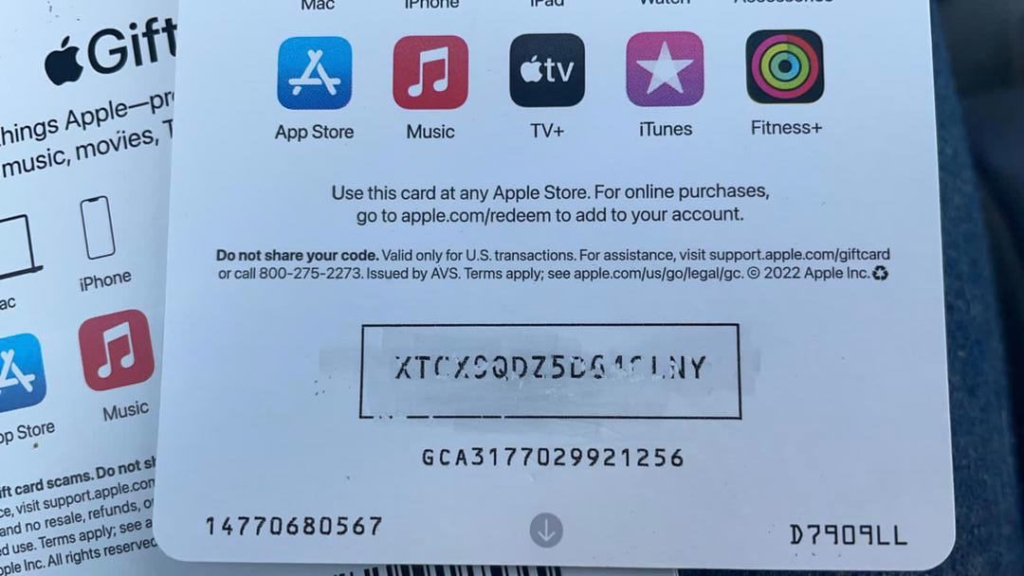
A single payment mistake or a compromised card can cascade into service loss. The lesson is to treat gift cards as cash and to keep independent backups of the data that matters most. The tools that protect users from scams also give a company the ability to act quickly on suspected fraud. That balance helps prevent theft, but it can cause severe harm when a valid purchase is wrongly flagged.
Protect Your Account
Take care with gift card codes and receipts. Keep backups and separate critical accounts when you can. Ask for human review and do not accept an unexplained permanent block without a clear escalation path. Apple’s terms give the company power to close accounts for suspected fraud. That is likely done to stop real theft. That reality also means customers must prepare for edge moments when a single transaction can threaten long-held digital records.