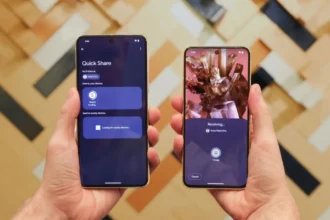

Google has announced that Pixel 10 phones can now share files with Apple devices using AirDrop. The update brings direct peer-to-peer transfers between Pixel 10 phones and iPhone, iPad, and Mac. Google says the feature works with Quick Share and that data is not routed through Google servers. This is the first time Android and AirDrop have been made interoperable at this level, and it could change how users move photos, videos, and other files between platforms.
How it Works
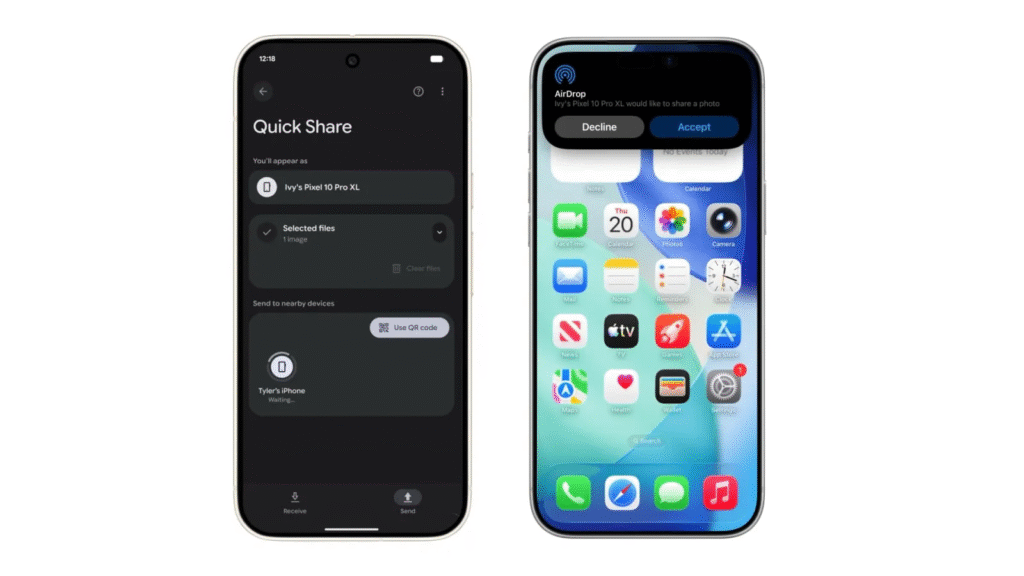
Pixel 10 owners can send files to Apple devices by opening Quick Share and choosing the nearby AirDrop device that made itself discoverable. Apple users must set AirDrop to be discoverable to everyone for up to ten minutes so the Pixel can find the device. On the receiving side, Pixel owners can enable receive mode so Apple devices can find the Pixel and start a transfer. Google says the transfer is direct and peer-to-peer, so the file moves between devices without passing through a server and without logging by Google. The company published support documentation that explains the flow and the discoverability options.
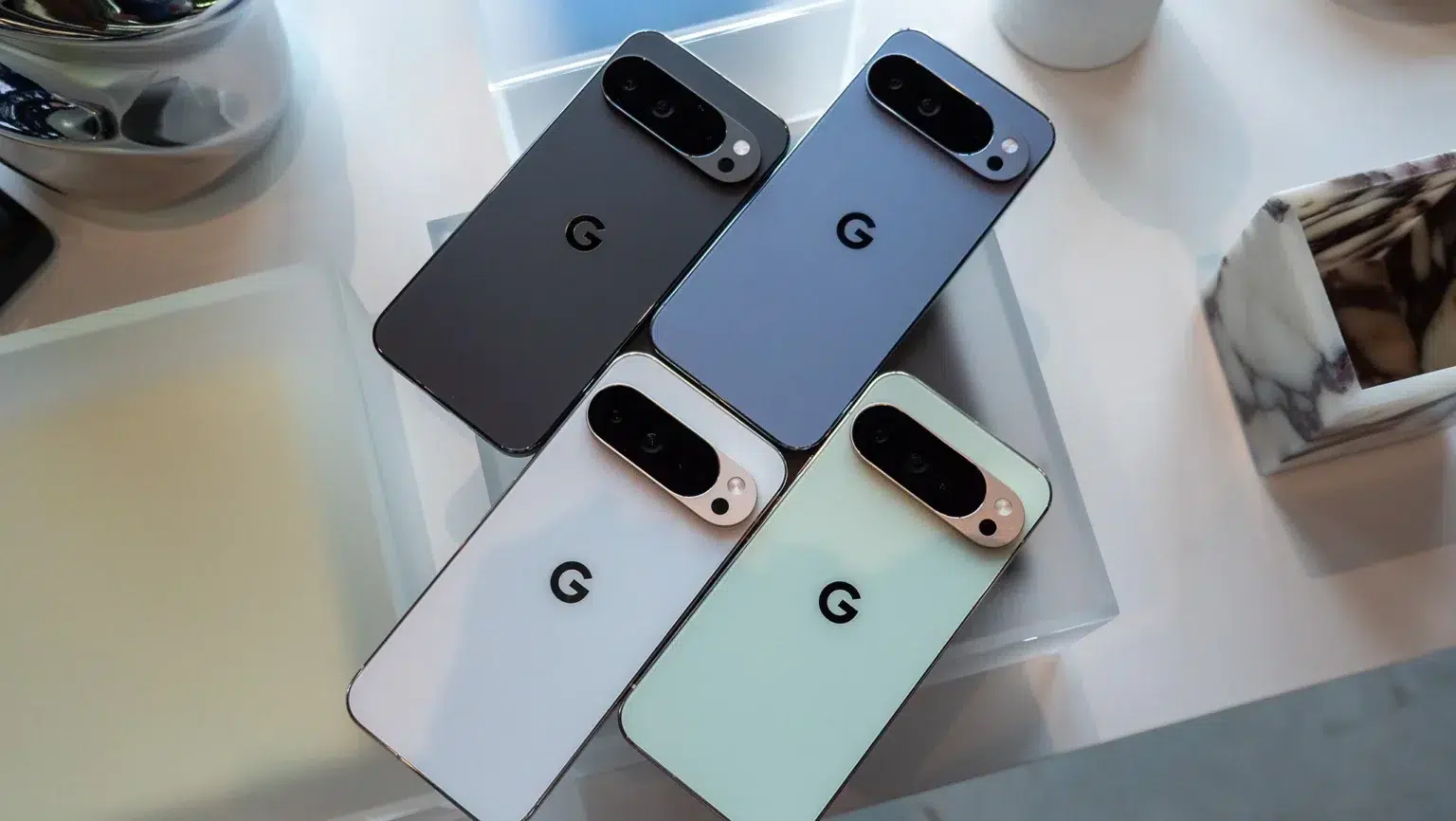
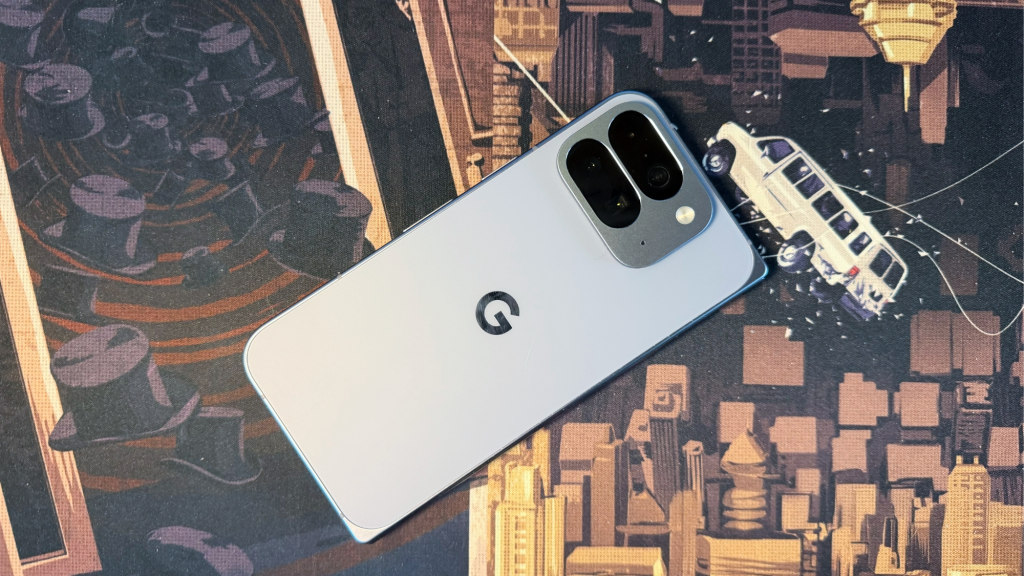
Google first limited itself to launching the feature with the Pixel 10 series and said it will expand its compatibility to other phones in the future. The Pixel 10 Pro, Pixel 10 Fold, Pixel 10 Pixel 10 Pro XL, and Pixel 10 are all in the Pixel 10 family. The action was placed by Google as a larger initiative to make it simpler to move and transfer between the ecosystems without sacrificing security and privacy. Tech outlets captured the announcement and highlighted the short-term device limits and Google guidance on discoverable windows.
Security and Privacy
Google stressed that the Quick Share AirDrop connection is peer-to-peer. The company posted a security note and contracted an independent review by NetSPI to assess the implementation. The NetSPI report is publicly available and covers the architecture and mitigations that Google used. Google also pointed to device controls that limit who can send a file and for how long a device remains discoverable. Those controls mimic existing AirDrop behavior and give users a short window to accept transfers.
Despite the assurances, some security researchers point to past Quick Share vulnerabilities as a reason to test the new workflow thoroughly. In prior years, researchers found bugs in Quick Share that could be chained into more serious exploits. Google says it has hardened Quick Share, and the company highlighted Pixel security features such as the Titan M chip and seven years of platform updates for Pixel 10 devices. Users and enterprise teams should still follow best practices and keep discoverability set to a limited time or to contacts only when that mode becomes available.