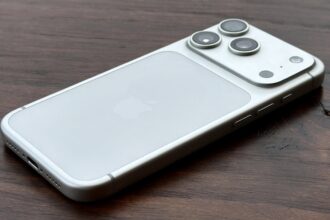
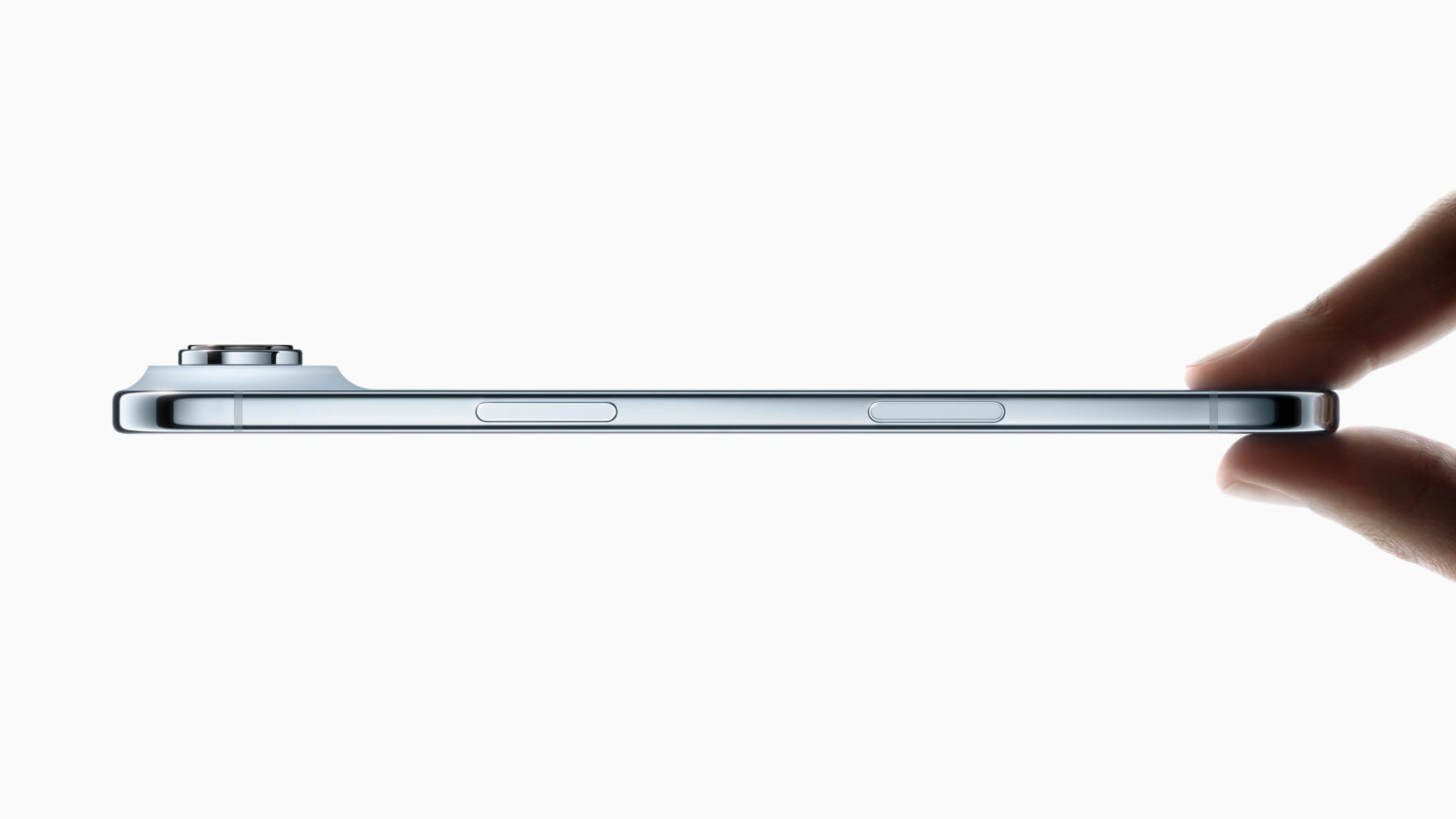

Apple introduced the iPhone Air this year as a lightweight, thin device between the simple iPhone and the Pro models. Initial sales have not been outstanding. Multiple industry reports now say Apple has scaled back production and delayed plans for a second-generation model. Suppliers have cut or paused assembly while Apple reviews the model and the mid-tier strategy.
The changes are not small. They touch suppliers, inventory plans and the timing of Apple product rollouts for the year ahead. The potential customers who were expecting a new version of the iPhone Air in the fall might be forced to wait.
Production and supply
Reports say some assembly lines for the iPhone Air have already seen reduced orders. Two suppliers named in coverage reportedly slowed or halted production runs. One supplier trimmed output in October and another paused production the month before. The moves followed weaker-than-expected demand after the Air went on sale.
Apple sells phones in huge volumes. A change in orders from a company of this scale has ripple effects. Factories that were set to make hundreds of thousands of units now face lower workloads. That can lead to temporary factory slowdowns or a shift of resources to other models.
Analysts say Apple will not abandon the idea of a thinner iPhone. Instead, it seems Apple will pause the next generation to reassess battery life, margins and customer interest. The company may reassign parts and capacity to the standard and Pro lineups where demand is stronger. Suppliers must then find new work at short notice or face a slow period.
Apple response and plans
Apple has not specified a date for any second-generation iPhone Air. The device, as per reports was to be shipped in the fall of 2026, but it is not probable to be shipped by that time. Apple can instead take that model to market in spring 2027 or later. According to one in the supply chain, the company is exploring and considering a redesign of major aspects of the Air.
Apple’s roadmaps of related products are also influenced by a shift of this nature. Thermal design, battery capacity, and price positioning will be reexamined by engineers and product teams. Air is the one that falls in between the standard model and the Pro model. Apple must have just the appropriate combination of features in order to appeal to that middle ground. Should the design compromise battery life or camera capability to achieve a thinner profile, consumers might opt to use another model.
To the buyers, the changes have two implications. First, the iPhone Air could be less available on shelves in the coming months. Second, the iPhone Air next could come with new hardware or another price. In addition, Apple can choose to integrate some of the Air concepts in other models instead of going ahead with the Air line in this form.