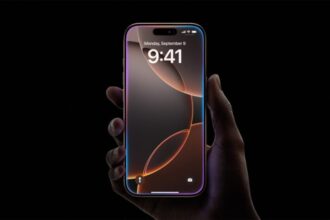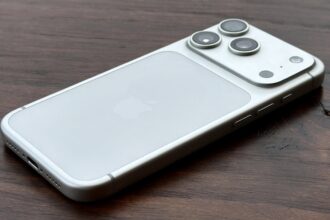
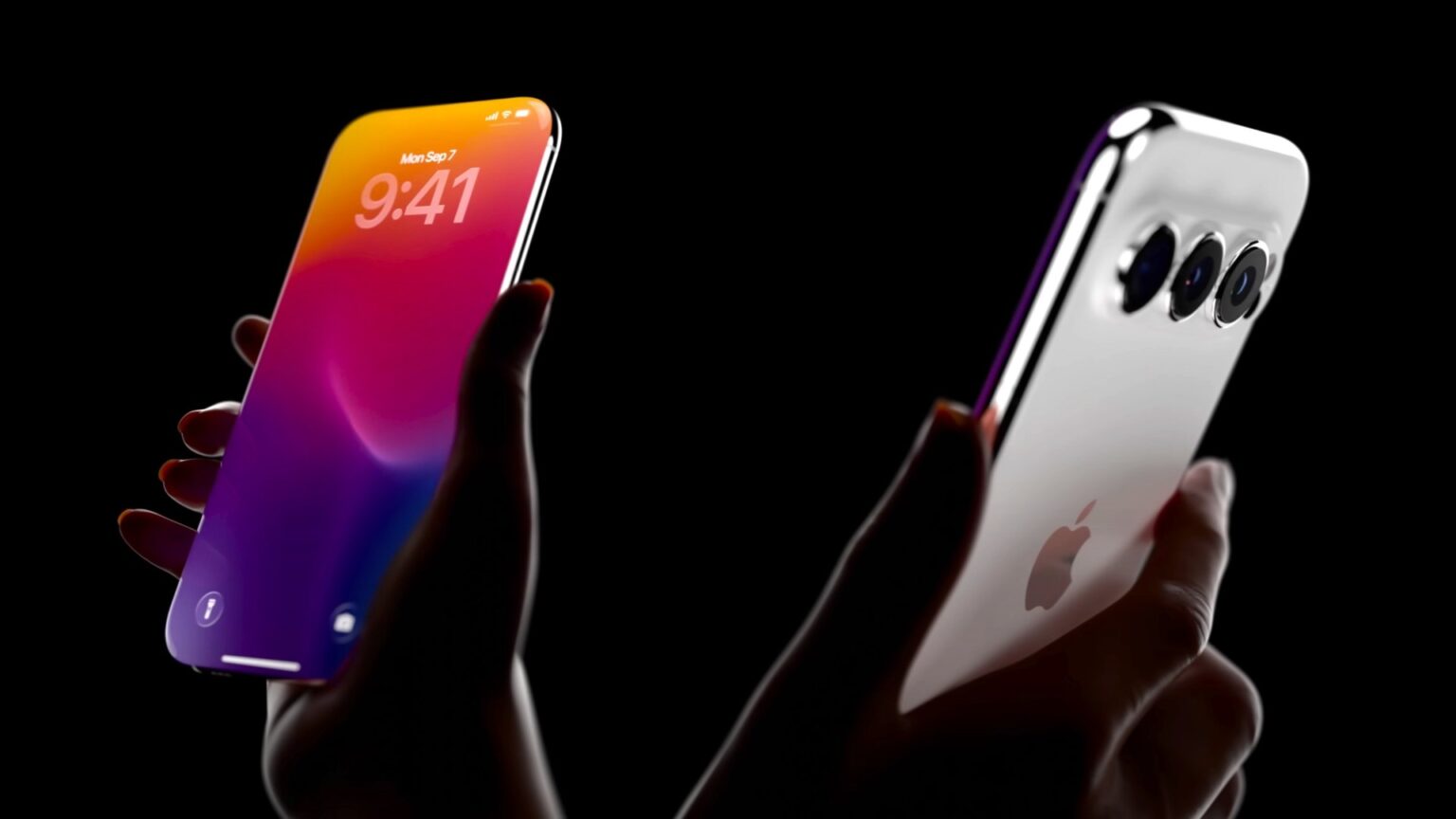

Apple might install a new camera sensor in the iPhone 20 that would make photos and videos look a lot better. The change centers on a sensor design called LOFIC. Reports say the new sensor could arrive with the iPhone 20 in 2027.
What is LOFIC
LOFIC stands for Lateral Overflow Integration Capacitor. The design gives each pixel a small overflow capacitor to store extra charge when a scene is very bright. That lets the sensor capture very dark and very bright parts of the same frame in one shot. This reduces blown highlights and gives more detail in shadow. Research and prototypes have shown that LOFIC sensors can reach a much wider dynamic range than standard mobile sensors.
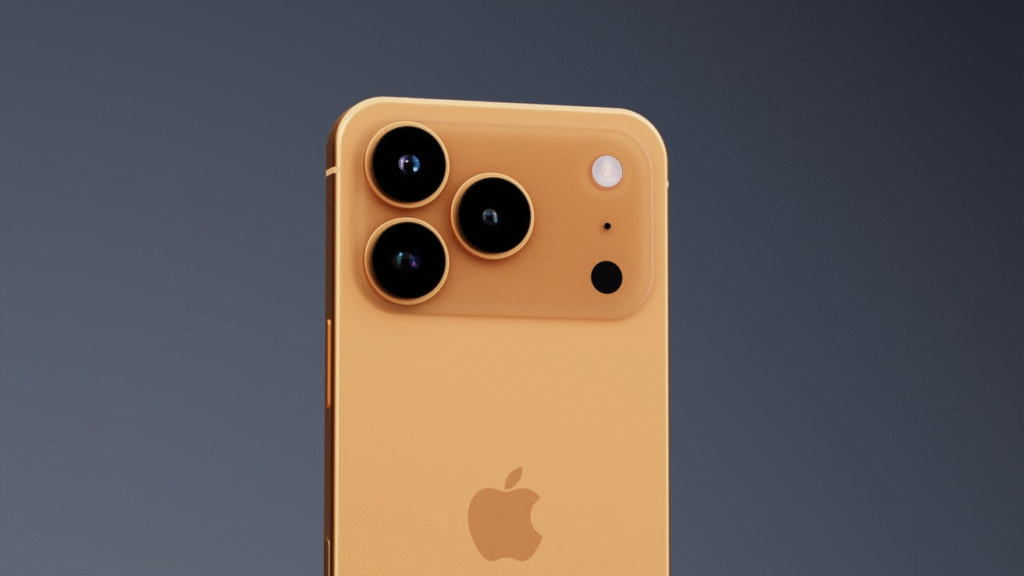
In simple terms, a LOFIC sensor can record more detail in one exposure. That helps still photos and moving images. It also lowers the need for multi-frame tricks that can fail when things move in the scene. This makes LOFIC useful for video as well as photos.
Why this matters
A LOFIC sensor can widen the dynamic range by many stops. Some reports suggest a leap that reaches cinema-grade ranges. That would let phone cameras handle bright skies and dark interiors in the same shot with far less loss of detail. Users who shoot in poor light or who film moving subjects would see clearer results.
Industry movement gives the report some weight. Other smartphone makers are testing or using similar pixel architectures. Recent handset camera tests show manufacturers are chasing the same gains in dynamic range and low light. If Apple adopts LOFIC, it would join a group of brands moving to this design.
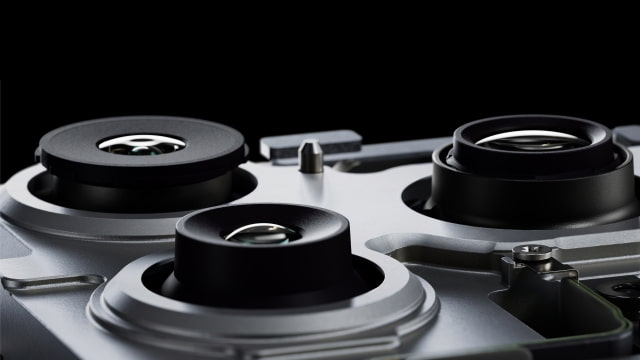
Apple has also explored building its own sensors for years. The report says Apple made an internal prototype in August. If Apple ships a custom LOFIC sensor, it could tune the hardware and software to work closely together. That would help the camera app and image pipeline make the most of the new sensor.
A quick practical note for buyers. A sensor like LOFIC will not alone change every photo. The quality of lenses, image processing, and software tuning is still very important. The sensor gives raw data. Apple will need to shape that data into better photos and video with its image pipeline and computational tools.