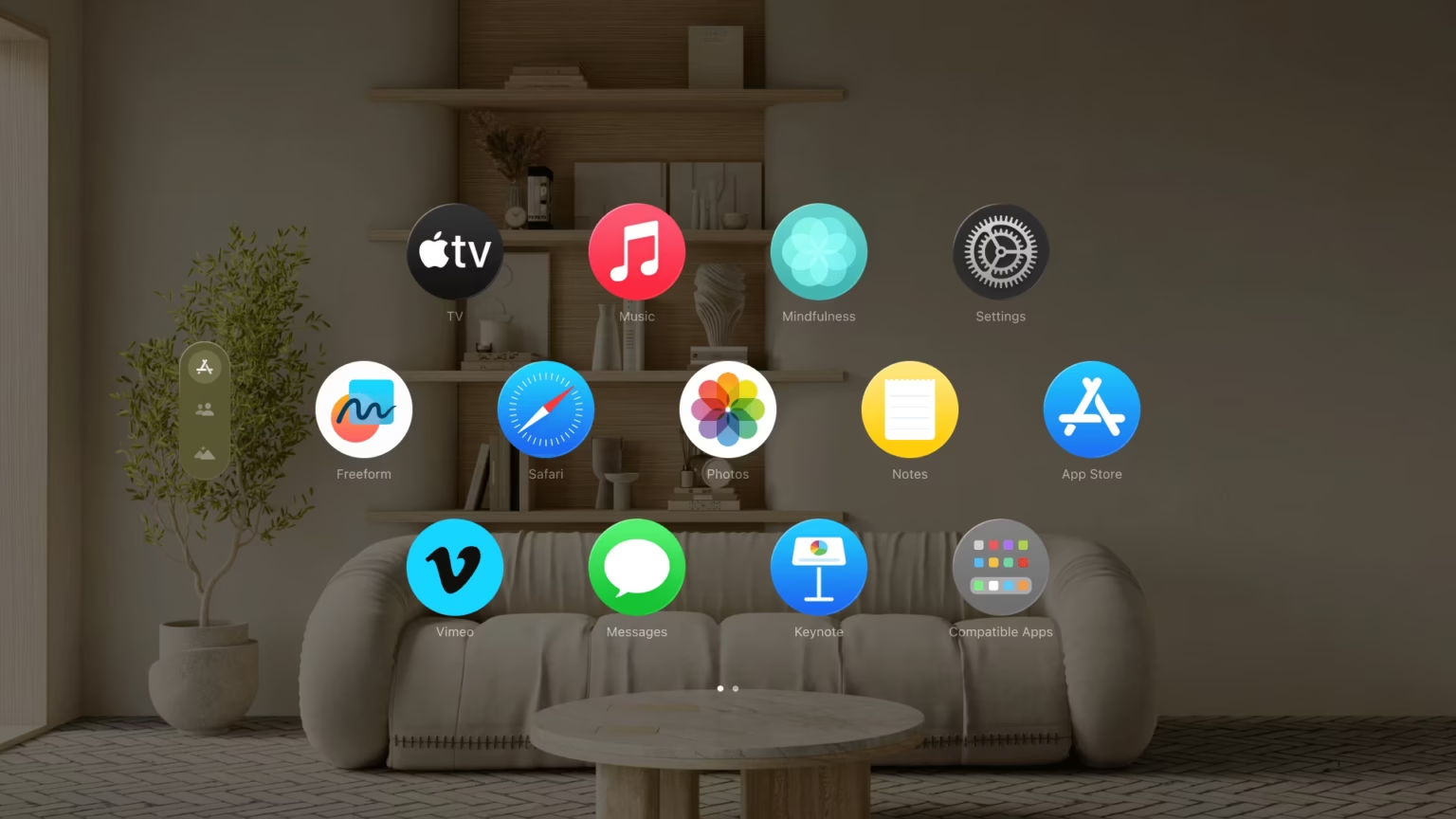

Vimeo has added native support for Apple Immersive Video as well as VR180 and the Apple Projected Media Profile. The change lets creators upload high-resolution stereoscopic video with spatial audio and keep the technical data that tells a headset how to play the file. This makes it simpler to move content from camera to editor to viewer without extra conversion steps.
New format support
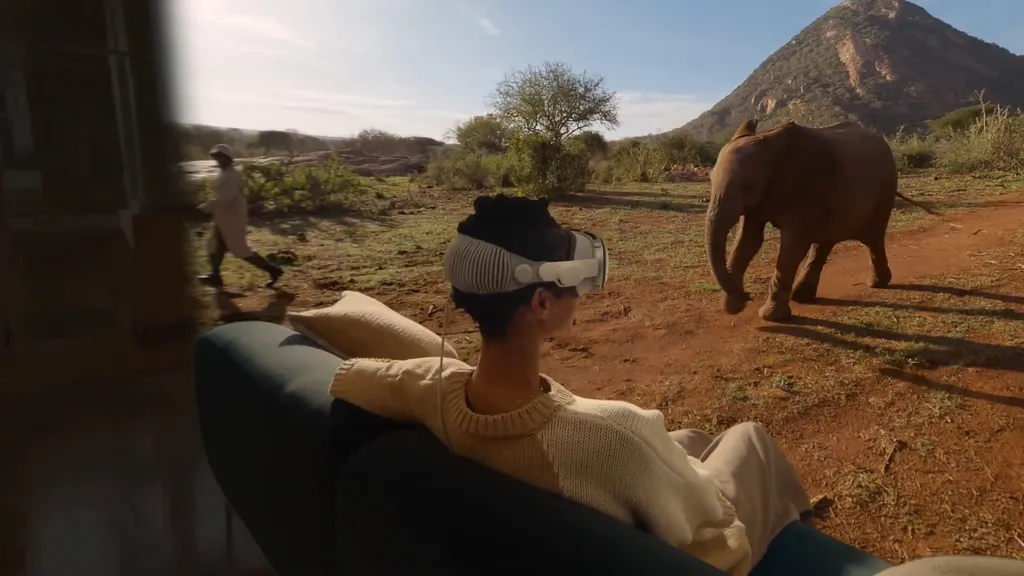
Vimeo now accepts Apple Immersive Video files. This format supports stereoscopic eight K captures with spatial audio designed for visionOS playback. Vimeo also added VR180 support for captures that focus on a forward-facing field of view. The platform now reads the Apple Projected Media Profile. That profile encodes camera and projection metadata so players render 180 and 360 media correctly. Creators can export files with the right flags and expect Vision Pro to present them with correct depth and sound placement.
The platform also tightened its workflow for professional tools. Files that include the new profile will keep their camera and projection settings when they move from capture to edit. That reduces the chance of a mismatch between what an editor expects and what a headset shows. Vimeo will preserve spatial audio tracks so headsets can place sound around the viewer. The result is a way to publish immersive work without heavy manual rewraps.
Impact for creators and viewers
Creators gain a direct route to Vision Pro users without a separate storefront step. Independent filmmakers and small studios can publish stereoscopic 8K content and maintain production-grade audio. Professionals who shoot on cinema cameras and edit in industry tools will find fewer steps between finishing a project and publishing it for headset playback. This can lower costs and speed release cycles.
Viewers will see more choices when they look for 3D video on their Vision Pro. The device can already show spatial work, but the catalog size has been limited. Vimeo support increases the number of titles that present true depth and positional audio. That matters for viewers who want the original capture fidelity rather than a converted version.
For both sides, the change reduces friction. Creators keep technical metadata intact. Viewers receive files that match the original intent for framing and sound. Platforms that host immersive media must handle larger file sizes and higher bandwidth. Vimeo said it will tune delivery to handle those files and improve discovery so viewers can find immersive pieces more easily.
What to check before publishing
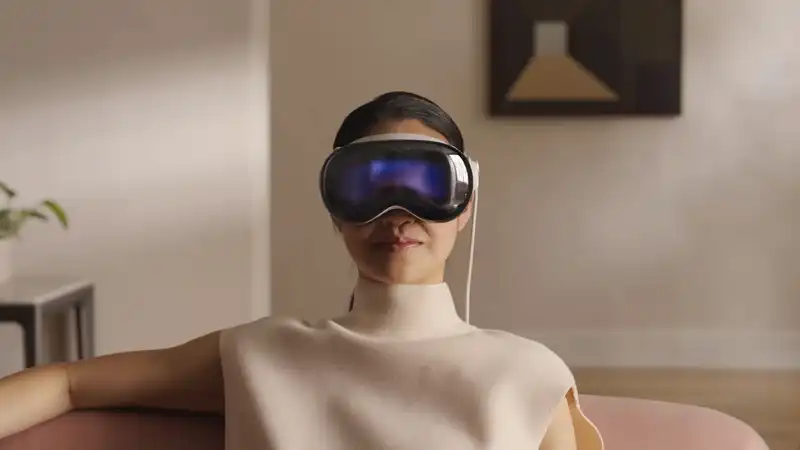
Confirm that export settings preserve the projection profile and spatial audio tracks. Include all metadata that describes the capture geometry. Test uploaded files on a Vision Pro to verify depth and sound placement before wide release. If an editor or camera workflow offers a direct APMP export option, use it to avoid manual tagging.
Vimeo’s update adds a practical path for professional creators and for audiences who own Vision Pro devices. It is a technical change focused on preserving capture fidelity and easing distribution. The result should be more native quality immersive content available to headset viewers.