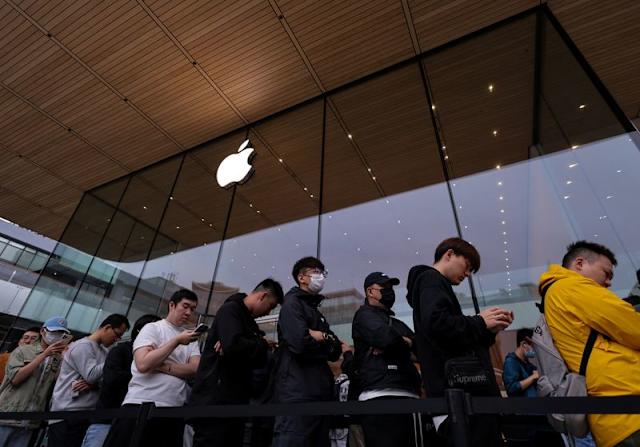

Apple reports an unusually strong launch for the iPhone 17 series. Early data from research firms show the new lineup sold more quickly than last year. The company is seeing especially rapid take-up of the base iPhone 17 in China and strong demand for the iPhone 17 Pro Max in the United States.
Strong early momentum
Counterpoint Research reports that iPhone 17 sales during the first ten days ran about fourteen percent higher than the iPhone 16 did at the same stage. That gain helped Apple shares move up and sent investor attention to the holiday quarter outlook. The early numbers are a useful signal but not a final sales total. Analysts will watch the full monthly and quarterly reports for confirmation.
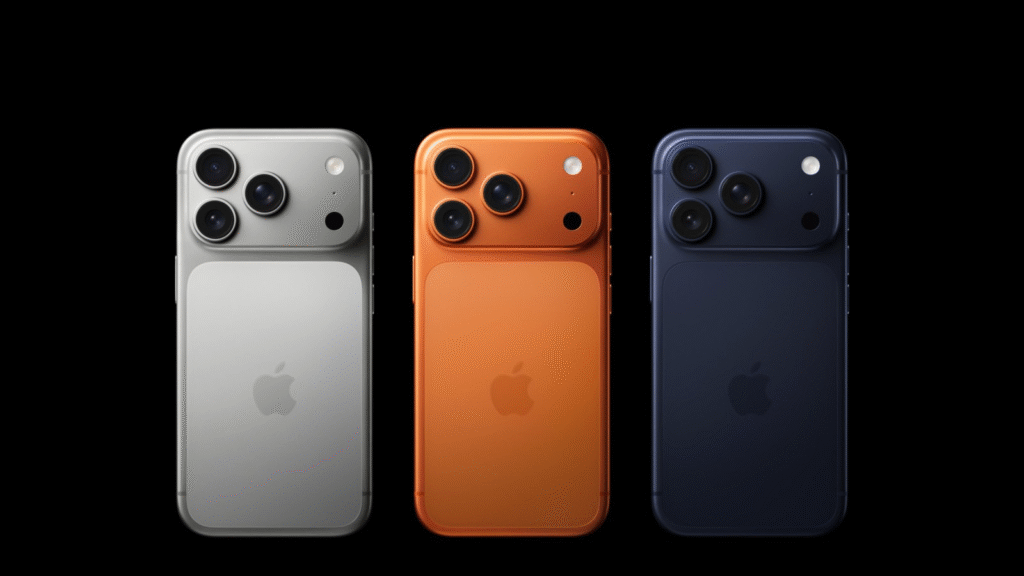
The most notable shift is in the base model. The unit sales of the base iPhone 17 increased by almost 0.7 times the iPhone 16 in China alone. The model had retained the original starting price as the one before it, but included a faster chip, a sharper screen, more base storage, and a more powerful front camera. Those additions expand the phone interest among consumers who would enjoy an evident upgrade without spending as much. That was intensified by local offers and carrier deals in China.
China drives growth
China remains one of Apple largest markets, and the iPhone 17 result shows why. Many shoppers there reacted to the improved value proposition. The base model performance matters because it reaches a wider group of buyers than the top-end models. At the same time, strong early sales for the iPhone Air in China show that Apple can create demand even when a model is new to the market or when it requires carriers to adopt eSIM-only setups. That pre-order surge in China is a sign of brand strength and of careful local promotion.
The competitive domestic Android also has some brands that are still competitive in China. Huawei, Xiaomi, and Oppo remain underspending on price and functions. Loyalty and a tight ecosystem are one of the strengths of Apple; however, it is unable to capture and build market share without value attached to it. The initial indications are that that is happening already in Apple, but its competitors will retaliate with new products and home-country campaigns.
US Pro Max demand
In the United States, the iPhone 17 Pro Max is driving much of the upgrade wave. Major carriers increased their trade-in and subsidy offers this year. The larger subsidies make premium models feel more affordable for users who spread payments over two or three years. That financing path has the effect of moving customers to higher-tier models while keeping them inside Apple services and subscriptions. The Pro Max momentum is a direct result of those carrier incentives and of a group of consumers who delayed upgrades during the past few years.
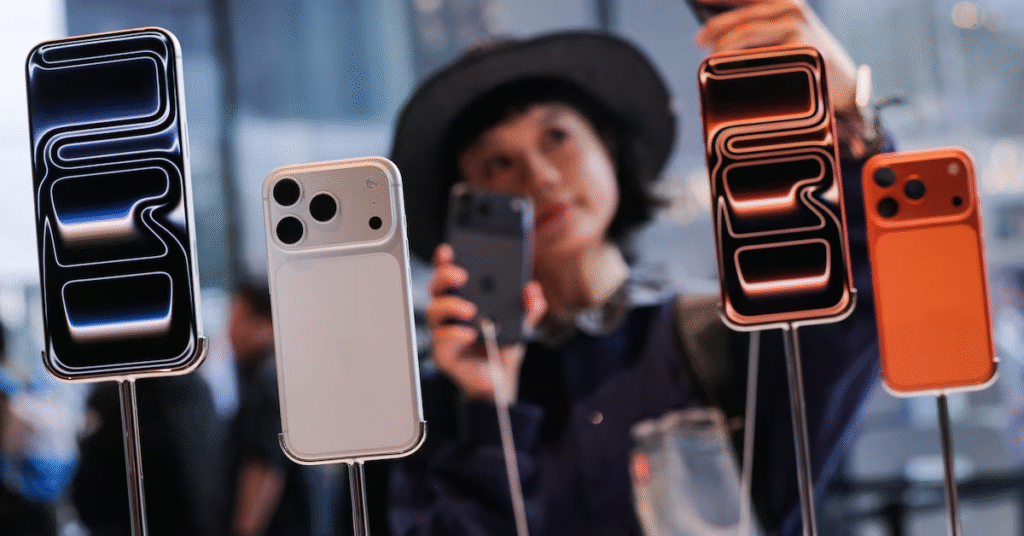
Apple benefits when carriers help lower the up-front price. Each subsidized upgrade strengthens the ecosystem lock-in. The company also gains in services revenue as more users keep active subscriptions for apps, cloud storage, and other features. Those downstream effects matter for the full quarter performance beyond the first days of preorder activity.