

Apple may have found a way to cut one of the biggest hardware costs for a rumored foldable iPhone. An analyst note says the hinge for the device could cost about $70 to $80 each once production ramps up. That is lower than many market estimates that placed the hinge price closer to one hundred to $120.
The lower cost comes from design and production changes. The analyst says a joint venture led by Foxconn will take most of the initial orders. A US supplier will take the rest. The move may help Apple scale hinge output and lower unit cost quickly.

Hinge Cost Drop
A hinge that costs $70 to $80 could cut the component bill by $20 to $40 per unit. That change matters for Apple. Margins could improve. Apple could choose to keep the extra margin or to price the device more aggressively against other foldables. Analysts note that component cost does not equal final retail price, but the hinge is a major part of the bill for a foldable phone.
Reports say the change stems from an optimized assembly design and Foxconn stepping up production. Foxconn has a long history with Apple. That experience may make it cheaper to scale a complex hinge while keeping quality high. The joint venture will reportedly handle about sixty-five percent of hinge orders. The rest will go to another established supplier.
Supply Chain Details
One report names Amphenol as the supplier for the remaining thirty-five percent of orders. The same analysis suggests Luxshare could join as an additional supplier after 2,077. More suppliers could push prices down further over time. Competition among suppliers often leads to lower manufacturing costs once volumes climb.
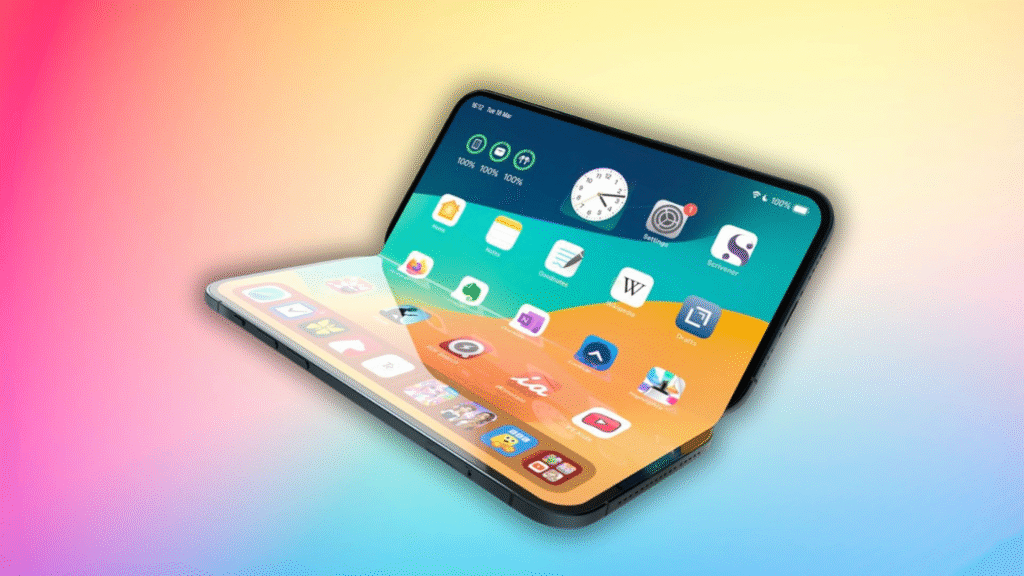
The hinge design is not the only factor that will shape the device. Materials for the frame and the display technology still matter. Rumors indicate that the frame may include aluminum and titanium, whereas there is other speculation that the frame may contain liquid metal components connecting crucial hinges. In choosing the latter, Apple will have to balance the weight, durability, and cost.
Apple has delayed a foldable iPhone for years. The device has often been described as being close yet not ready. Even with cheaper hinge costs, the company must still solve display folding, hinge longevity, and supply chain scale before it ships at volume. The analyst note does not confirm a release date. It does suggest that one major cost pressure may be smaller than expected.