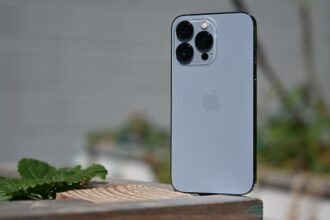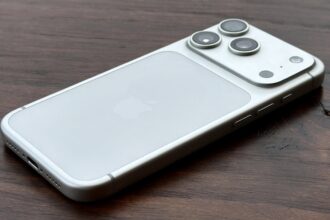


Apple may be planning a mixed metal frame for the much-talked-about iPhone Fold. Recent observers also indicate that Apple may couple an aluminum housing with titanium at the major points of stress, like the hinge. The assertion has placed a revival of controversy regarding the issue of balancing weight, power, and cost by which Apple forges to ventures into the foldable phone.
Design and materials
The idea of a hybrid frame is simple to explain. Aluminum offers a low weight and lower cost. Titanium adds strength where it matters most. An aluminum shell with titanium reinforcement in the hinge area would aim to keep the device light while protecting the parts that must flex most over time. Analysts who follow Apple supply lines have described this as a pragmatic path forward for a device that must fold reliably day after day.
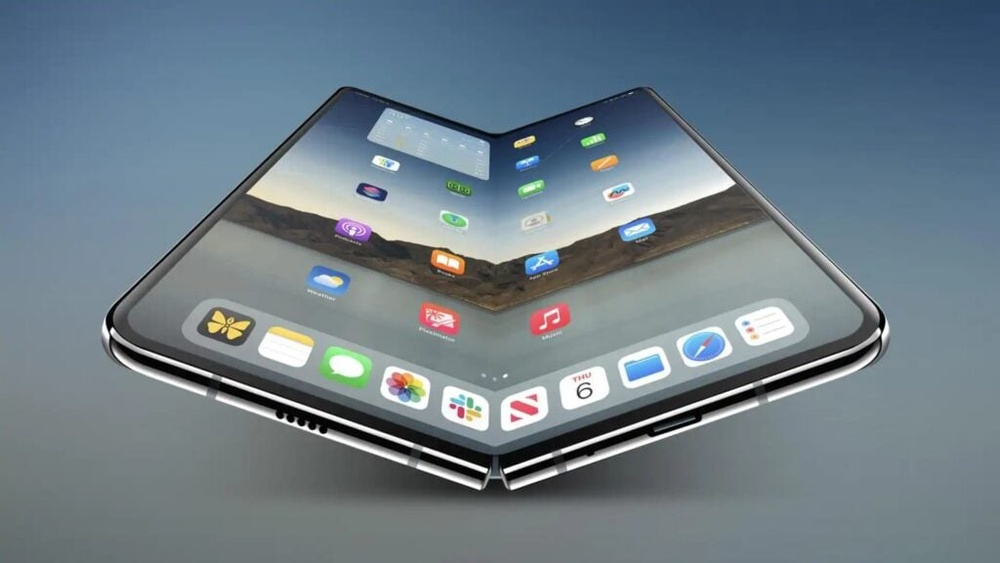
Apple has tested many approaches to foldable hinges. Reports from several outlets say Apple engineers focus on a compact hinge that keeps the screen flat when open and limits the visible crease. Using titanium in hinge components is one way to keep moving parts durable without making the whole phone heavy. Early rumors about the device describe it as looking like two thin iPhone models joined by a hinge. That basic shape is one reason why precise hinge materials matter.
Weight and rivals
One obvious benchmark for any foldable is the weight. Competing foldable phones can feel heavy in everyday use. Samsung’s latest foldable is lighter than many previous models, and reviews note how much that matters when the device is carried all day. If Apple wants the iPhone Fold to win mainstream buyers, it will need to match or beat that level of comfort. Using aluminum for most of the frame could help keep mass down while adding titanium only where it is needed for long-term reliability.
Timing and challenges
Rumors about an Apple foldable have circulated for years. Some reports have suggested a 2026 debut, while others say the product could slip further. Apple faces a hard engineering test. The display must fold without an obvious crease. The hinge must survive many cycles without loosening. The outer frame must feel premium but not bulky. All of this must be achieved at a cost that the market will accept for a first-generation device. Recent notes from analysts indicate progress but also caution that schedules can still change.

Why the materials choice matters to users
Materials shape three direct user experiences. First is comfort. A lighter phone sits more easily in a pocket and in the hand. Second is durability. Metal that does not fatigue will keep the device working for years. Third is feel. A careful mix of metals can make the device feel both strong and refined. Apple will have to balance these needs against production cost and the realities of mass manufacturing. Analysts point out that even small design choices can shift the price or delay volume shipments.