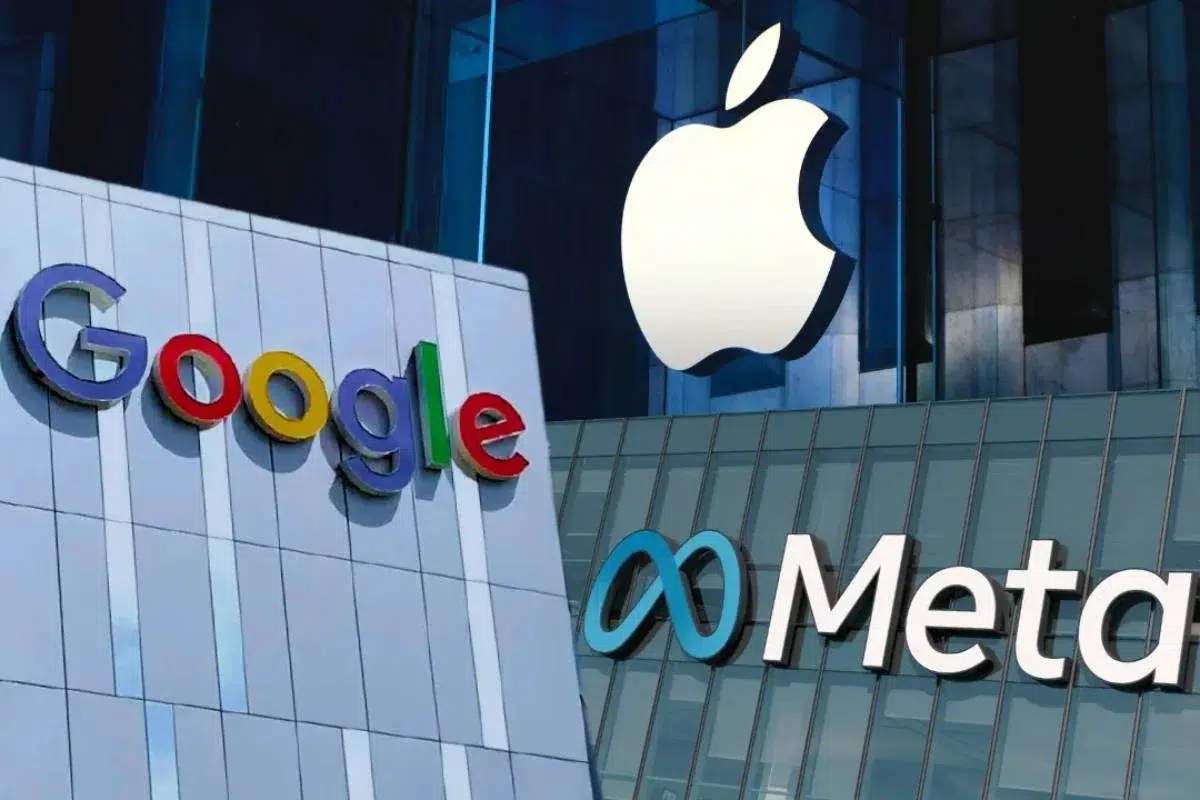

A federal judge has refused to dismiss a major class action that says Apple, Google, and Meta promoted casino-style gambling apps. The ruling clears the way for a trial that could examine how app stores and social platforms handled games that use virtual chips and in-app payments.
Background of case
The lawsuit dates back to 2020, and it targets social casino apps that let users play games that look like slot machines or table games. Plaintiffs say those apps pushed people to spend real money on virtual chips and that the platforms profited by enabling the apps. The complaint says some users suffered harms that include addiction and severe personal consequences. Apple, Google, and Meta moved to dismiss the claims. The companies argued that Section 230 of the Communications Decency Act shields them from liability for third-party content. They also said they only provided hosting and payment processing tools. The judge rejected those arguments in full and allowed the core claims to proceed to trial.
The court did dismiss a few narrower allegations but left in place the broad claim that the platforms improperly processed payments for social casino apps. The judge wrote that whether that activity makes a platform a bookie or a broker is not the central issue for dismissal. The decision means the case will now proceed to discovery and preparation for trial while appeals remain possible.
What is at stake
A win by the plaintiffs at trial would potentially transform the practices of app stores and social sites in regard to the treatment of games that simulate gambling. The case could also affect payment flows, content moderation, and the rules platforms set for third-party developers. A verdict for plaintiffs might lead to new compliance costs for platforms or to changes in how virtual goods are sold and displayed. The ruling could also influence future legislation and regulation of online gambling-style products.
The companies still have options. They can seek permission to appeal the decision on Section 230 and other legal points. The judge allowed some appellate steps because the Section 230 issues are significant. A higher court could take up those questions and could change how the trial proceeds or whether certain claims survive. For now, the case moves forward, and both sides will gather documents and witness testimony.
Why this matters
This case tests how far liability can extend for large platforms that host and promote apps made by third parties. Tech firms long have relied on Section 230 to avoid responsibility for content they do not create. The plaintiffs say that when platforms actively promote and profit from certain apps, the law should not be a shield. The court will examine those lines of activity in detail.

The litigation also shows growing scrutiny of so-called social casino apps. Regulators, consumer groups, and some lawmakers have raised concerns about the design of these games and how they target users. The trial will give the public a clearer view of platform practices and of the harms alleged by plaintiffs.
Trial preparation will take time. Expect months of discovery motions, depositions, and expert reports before a judge or jury decides the core claims. The outcome could affect app store policies, ad placements, payment processing, and the business model of many social games.