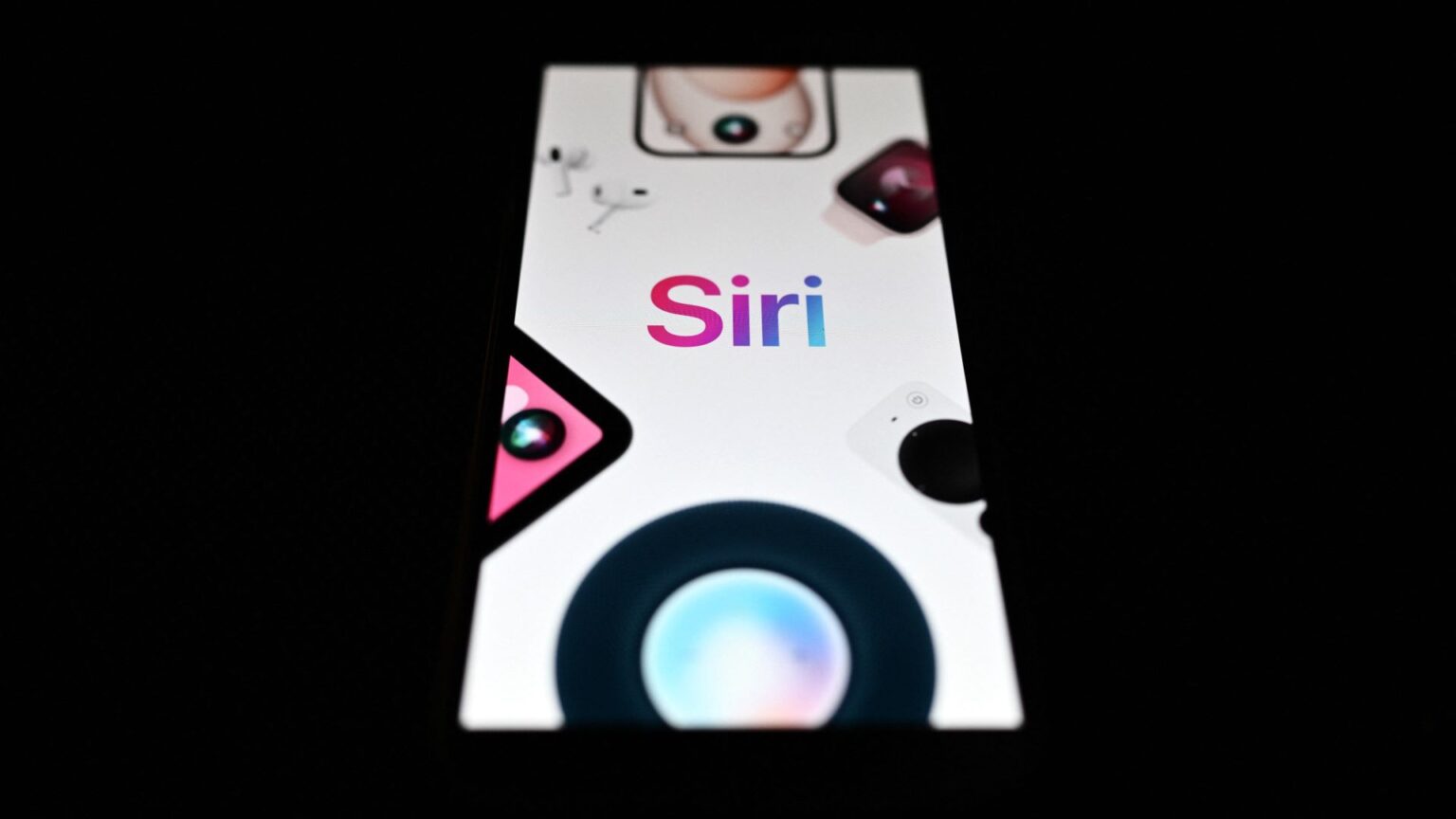

Apple is testing an internal chatbot app called Veritas to help the company redesign Siri. The app looks and feels like popular chatbots, but it is for employee use only as engineers try new approaches to a more capable assistant.
Veritas runs multi-turn conversations and remembers context across questions. It can follow up on prior replies, and it lets developers try features that would be hard to test inside the current Siri. Apple is using the app to exercise contextual search that draws on personal items such as email texts and calendar entries in a private setting.
Veritas internal app
The internal format lets teams move fast. Engineers can open many conversations in parallel. They can compare responses and refine how the system uses personal data for useful answers. The tool speeds experimentation and reduces friction when testing how Siri might act in real life.
Veritas is not a released product. Apple is using it as a lab for ideas that may shape a new Siri. The company has delayed some public Siri upgrades while it resolves design and safety issues. That private testing is part of Apple’s effort to avoid mistakes in public releases.
Siri overhaul timing
Apple’s broader Siri project has been pushed into 2026. The company has explored multiple technical paths and has held talks about using external models in some cases. Those discussions include options to work with other large model providers as well as to expand in-house work.
The task is complicated by the fact that Siri needs to operate in a safe manner with private data and within apps. Apple has openly admitted in the past to having feature issues and has been slower than other competitors. The Veritas tests are the ones that are meant to generate good results so that the new Siri features can reach millions of users.
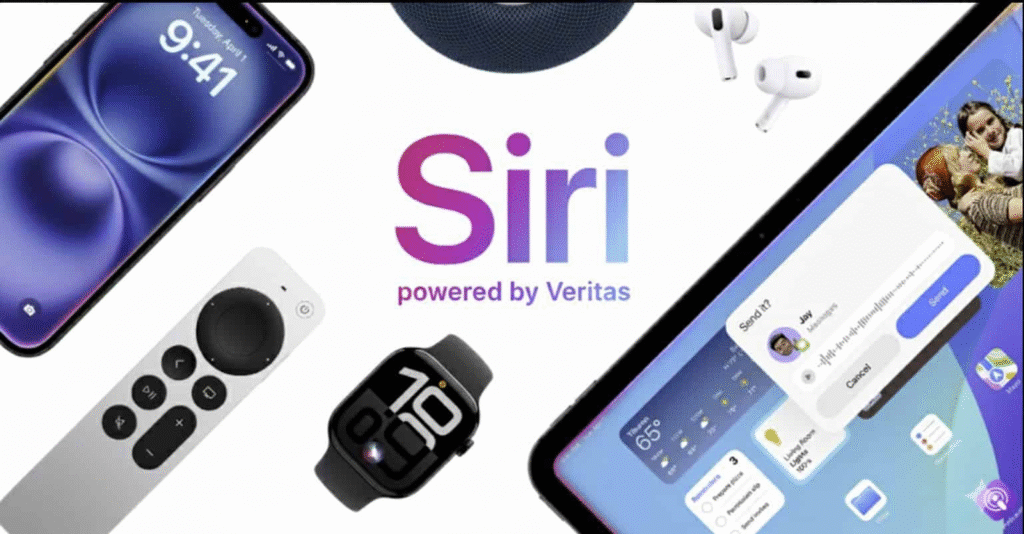
The implication of this to users is easy to say. An intelligent Siri would respond to more complex follow-up questions, would work across apps, and provide customized assistance with the ability to keep data on the phone confidential, where it can. Those are the risks and trade-offs. Before Apple can roll out the assistant on a large scale, it will have to demonstrate that it is accurate and safe.
Apple does not depend on public betas for the entire system, but instead concentrates on internal tooling. That option is restricting early exposure, but it also retards audience response. Veritas provides engineers with a controlled environment in which to experiment with new models and also new applications of personal context. In case the experiments are successful, the next Siri may be more talkative and more practical than the one many people use today.