
Huawei unveiled a new set of AI systems that use its Ascend chips and a supernode design called Atlas 950. The company said the Atlas 950 supernode will support thousands of Ascend processors and that a full Atlas 950 SuperCluster would contain more than half a million Ascend chips. Reuters covered Huawei plans and the chip roadmap.
Huawei also set out a multi-year plan to release successive Ascend chips and larger supernodes. The firm claims that its system-level work can close gaps left by limits on access to certain advanced chips. Independent analysis and past product notes show that Huawei favors scale and system design to build high compute totals.

Industry response
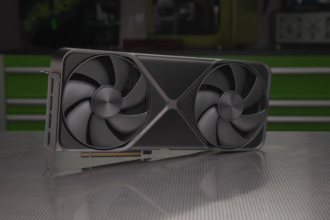
Nvidia reacted by saying competition has arrived and is gaining momentum. Nvidia said customers will choose the best technology stacks for their needs. The comment reflects how suppliers and cloud builders now face more options when designing AI data centers. Reuters and CNBC reported on the exchange.
Analysts caution that Huawei may be overstating some numbers. Independent reviewers note that Ascend chips often deliver lower performance per chip than the fastest Nvidia accelerators. Huawei makes up some of that gap by using many more chips and by designing networks and memory systems that suit large-scale training jobs. That trade-off can increase power use and cost. Trade press and technical reviews discuss this balance and the system-level gains.
What this means
This is a combination of moves that demonstrate the way the AI hardware market in the world is evolving. One has a reduced number of accelerators with very high speeds and very short interconnects. The other route involves a great deal more domestically made chips with heavy system engineering. The two directions seek to support huge AI models and challenging cloud applications. The decision will be based on the cost, availability of the supplies, energy budgets, and software support.
Buyers and cloud operators will test both methods in the near future. Competition may make the software improve faster, and put pressure on system architects to close the efficiency cracks. Each of the companies possesses its own advantages and disadvantages. The most appropriate stacks that can accommodate the workloads of the customers and markets will be picked by the customers and markets.