


A new report from China Labor Watch says serious problems remain at Foxconn’s Zhengzhou plant, where many iPhones are made. The group reports long hours, delayed wages, and the heavy use of temporary dispatch workers well above the legal limit. These claims were described in detail by the Financial Times after a months-long investigation.
The report says more than half of the staff at peak times were dispatch workers. Chinese law allows a much smaller share. The report adds that dispatch staff often receive lower benefits and face delayed payments. The labor group says that payment schedules are arranged to discourage quitting. Those are central allegations in the report, and they raise legal as well as ethical questions.
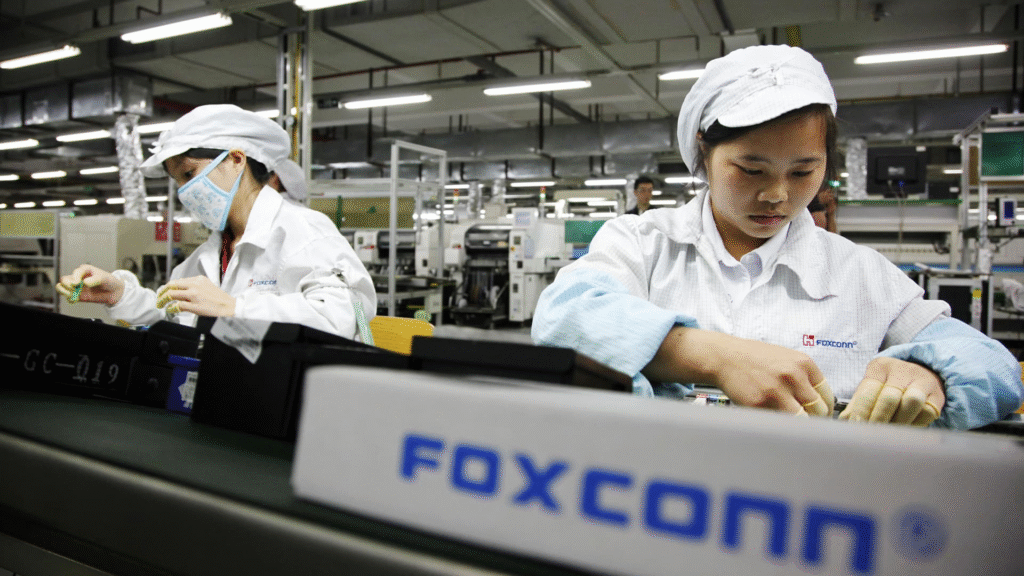
Workers who spoke with investigators described very long shifts during the iPhone rush that ran from spring to fall of this year. Some accounts say overtime reached 60 to 75 hours per week during peak periods. The report also documents examples of delayed pay and of bonuses or allowances that are paid late. Bloomberg and other outlets summarized similar worker testimony.
The report also raises claims of discrimination. It alleges that some groups were screened out by the factory hiring system and that medical checks, such as X-rays, effectively blocked pregnant women from factory work. Investigators say these practices amount to systematic bias in hiring and placement. The China Labor Watch report includes these findings and related evidence.
Foxconn and Apple both issued public responses after the report. Foxconn said it is an equal opportunity employer, and it highlighted recent third-party audits that it says show compliance and transparency. The company also pointed to a program of audits it completed earlier this year. Apple told reporters that teams were on site and had begun an immediate investigation. Apple restated its commitment to high labor and human rights standards.
Allegations and findings
Observers who follow supply chain audits note that audits can vary in depth and in the information they disclose. Some groups argue that audits alone are not enough when systemic issues recur. China Labor Watch has tracked Foxconn for years and published multiple reports that criticized working conditions at the same factory over time. The new report fits into that longer record of scrutiny.
Independent reporting shows a mixed picture on the factory floor. Some workers told journalists that conditions can be better than at other factories. Others described pressure, heavy overtime, and job instability tied to the seasonal nature of iPhone assembly work. The report says there were no underage workers found and that a small improvement in average overtime was observed, but that many core problems persist.
China Labor Watch published a detailed PDF with its evidence and with worker interviews. The document lists payroll patterns, recruitment numbers, and a timeline of hiring and production peaks. The group also compares current practice to Chinese labor law and to Apple supplier guidelines. Those primary materials form the backbone of the claims and are the reason major outlets reported the story.
Apple and Foxconn
Apple has long said it expects high standards from its suppliers, and it publishes supplier responsibility reports. The company also conducts audits and remediation work after problems are identified. Still, critics say enforcement has been inconsistent when problems repeat at major suppliers. Apple said in public comments that it would investigate the new claims and that teams were on site to review conditions.
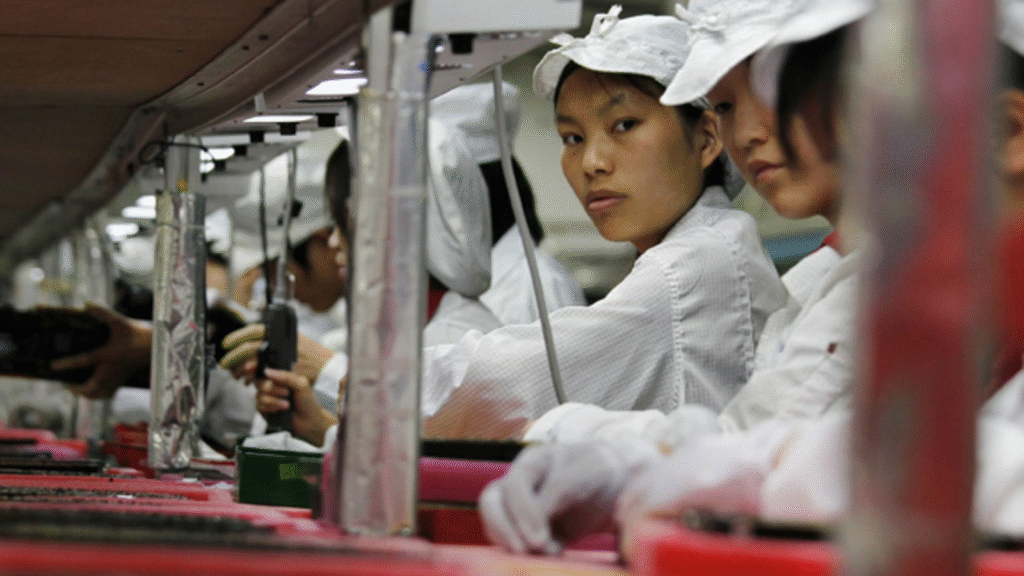
Foxconn pointed to recent third-party audits and to steps it has taken across a number of plants. The company said that it does not stand for discrimination and that it pursues compliance with social and environmental standards. Audit results and improvement are also the focus of the public statements made by Foxconn. The company comes under scrutiny frequently due to the fact that it is a large employer in the electronics manufacturing industry.
The next thing matters. Apple and Foxconn vow to enquire. The results will also be monitored by regulators, independent auditors, and civil society. In case the claims have been proved to be correct, then corrective measures must be specific, quantifiable, and quick. Failure to manage the shortcomings may increase the reputational and legal consequences for all parties involved.