
Nvidia is reportedly building a new AI accelerator called B30A for sale in China. The chip would sit between the H20 and the flagship B300 in capability. The plan reflects changes in export policy and a drive to protect market access.
What Nvidia is building now
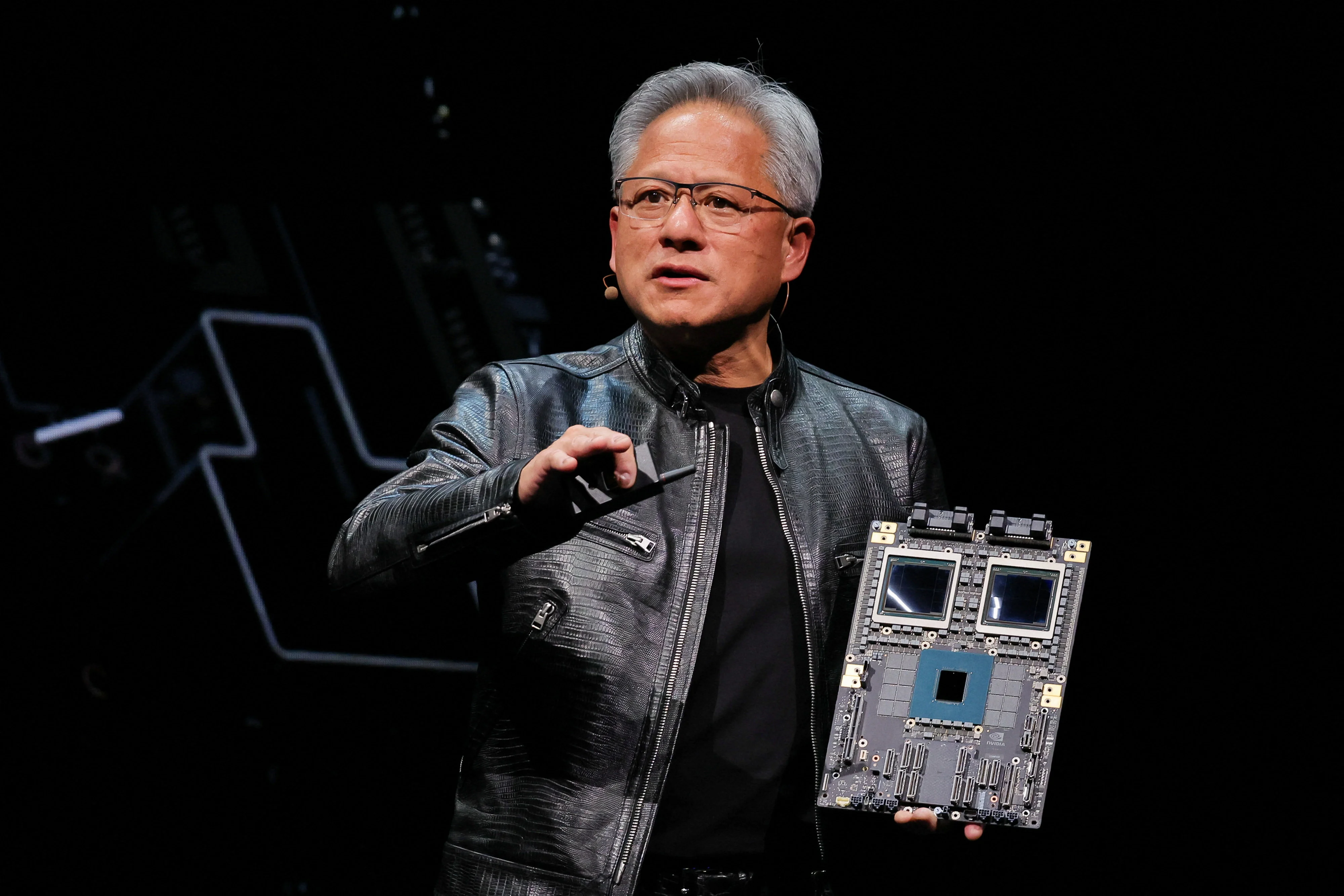
Nvidia is working on a chip codenamed B30A. The new chip is said to be roughly half as powerful as the B300 Blackwell GPU. Sources say B30A would outperform the H20 models that Nvidia currently sells into China.
Engineers are said to plan a single die design for B30A rather than the multi-die layout of the top-end B300. Nvidia told reporters that it plans to release products with approval from authorities and for beneficial commercial use.
Why the B30A matters
Nvidia earns a large share of its revenue from AI compute sales. The Chinese market is a major growth opportunity. The United States and other regulators have placed limits on exports of top-end AI chips. The new chip would be more capable than the current China-allowed models while still designed to meet export rules.
If approved, the B30A could let Nvidia serve more Chinese customers. That would reduce the chance that rivals will step in to fill demand. The move also shows how companies adapt product lines when export rules change.
Technical trade-offs and design choices
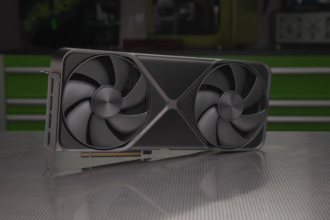
The B30A is described as a single die. Single die designs can be simpler to produce. Single die chips often use less complex packaging than multi-die parts. Sources say the chip will offer fast links and high-bandwidth memory similar to other data center GPUs. That design aims to keep performance strong while fitting within policy limits.
The policy context
US export controls have restricted the sale of the most powerful AI accelerators. In recent weeks, regulators relaxed some rules about exports to China. Nvidia and other vendors now plan roadmaps that reflect the limits that remain. Approval of any new product is not guaranteed. Observers say political choices will affect what can be shipped.
Market impact and rivals
A B30A that sits above H20 in capability could make Nvidia more competitive in China. That outcome could reduce the appeal of domestic alternatives. The move is also intended to guard Nvidia’s market share and long-term alliances, say industry watchers. Local chip manufacturers will continue to exert stiff competition, and so will other international vendors.
Regulators must still approve exports. Nvidia will likely refine the design. The timeline for any shipment to China is unclear. Analysts will watch approvals and any official statements from Nvidia or regulators. Markets and customers will react to any approval decision.