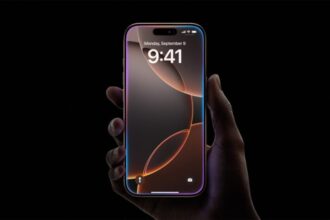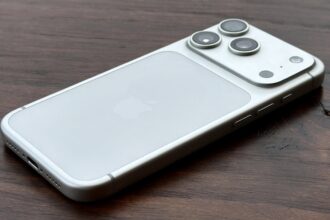
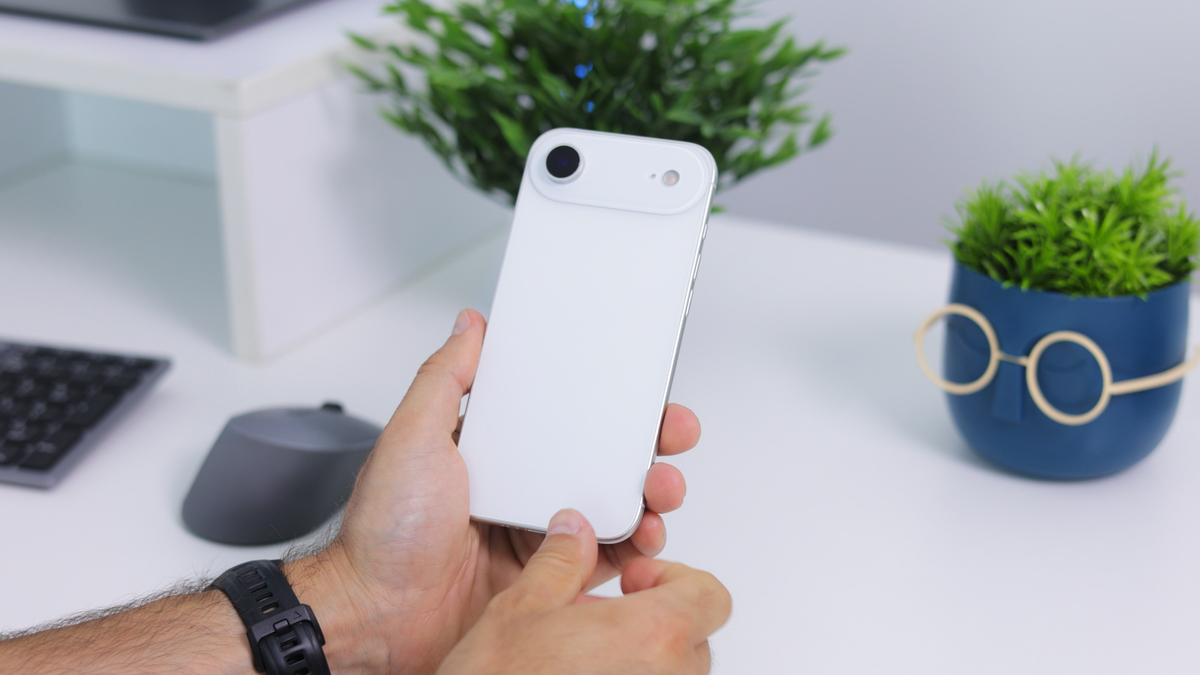

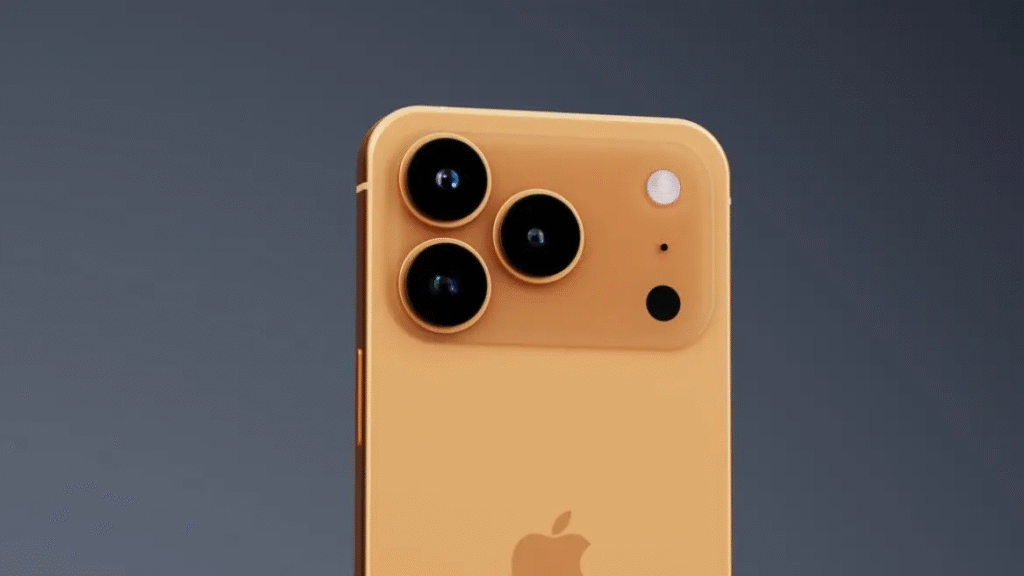
New leaks again claim that the iPhone 17 Air will use the A19 Pro family of chips, but with one fewer GPU core than the Pro models. The detail comes from a Weibo post shared by a frequent leaker and was picked up by several outlets today. The note about fewer GPU cores is the main reason why the Air will not match Pro-level graphics.
A single GPU core can matter for high-end graphics work and for sustained frame rates in demanding games. If the Air ships with one fewer core, the device may still perform very well for most apps. However, peak frame rates and maximum graphics detail will likely be lower than on Pro models. Benchmarks and real-world tests will show the size of the gap when the phones are available.
Why Apple might use a binned chip
Apple and its suppliers often use a process called binning to make the best use of silicon. A chip that does not meet the highest yield targets in testing can be repurposed in a lower-tier device. That lets Apple offer devices with nearly identical features while saving the highest-end silicon for the top models. Binning also helps control cost and heat in a very thin design. Leaks say that approach is likely for the iPhone 17 Air.
The leak also reiterates that the iPhone 17 Air will not match Pro models on battery or screen quality. The Air is aimed at buyers who want a thin, light phone. To achieve that size, Apple may use a smaller battery or a battery built to be thinner. The display may use a different panel material and deliver slightly lower maximum brightness or other differences that are visible when comparing devices side by side. Reports from other sources echo the same view about thinner cells and a narrower design focus.
The silicon anode battery rumor
Several reports have suggested Apple may test silicon anode battery technology in the iPhone 17 Air. Chemistry can increase energy density, so the battery stores more power in the same space. One estimate in earlier reporting put that gain at about 15 percent compared with standard graphite-based cells. If true, this would help offset the thin battery by giving more run time per millimeter of battery height. Apple has not confirmed the claim.
Leaks point to a large Air screen near 6.6 inches with a resolution in the 2740 by 1260 range using a Samsung M14 panel. Those figures would place the Air close to the Pro in raw pixel count, but screens are more than pixels. Brightness contrast color calibration, and features like always on display and ProMotion can differ between versions. The Air may have a strong panel for many uses, but still falls short of Pro class peak brightness or advanced display tuning.
Who benefits from the Air design
People who value lightweight and thin fit will find a lot to like in the Air. It could be easier to carry and feel better in the hand for long use. For many buyers, the small graphics gap will not matter. Casual gaming, social apps, and day-to-day tasks will still run smoothly. The Air could sit between the standard iPhone and the Pro models as an option that favors form over raw peak performance.
Why to treat the leak with caution
The source of the claim is a Weibo account that has mixed accuracy over time. That same account has reported correct details before, but it has also been wrong on other items. Apple does not confirm leaks before official events. Until Apple releases final specifications, these reports should be treated as plausible but not certain. Major outlets are reporting the same details, which increases confidence but does not guarantee correctness.
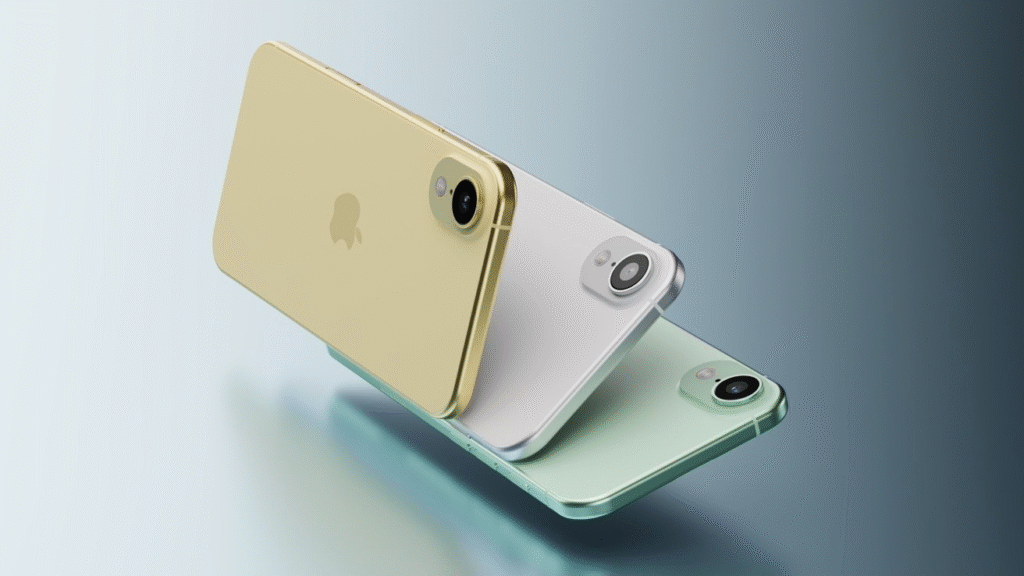
Apple may position the iPhone 17 Air as a thin and stylish choice that keeps most of the core performance of the A19 family while trimming peak graphics power to meet thermal and space limits. The final balance between shape and speed will be clear only when Apple confirms the specs and independent tests measure performance and battery life.