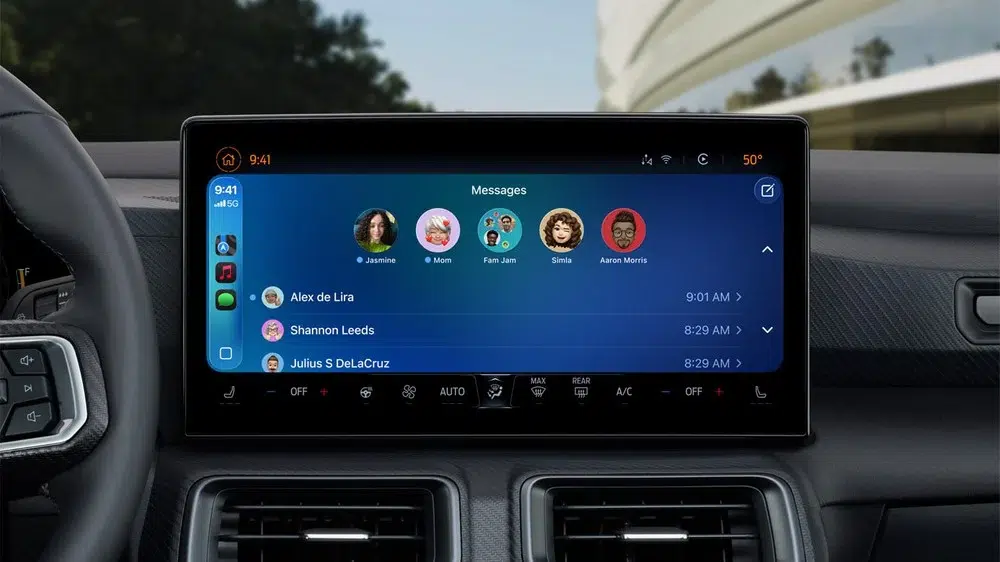

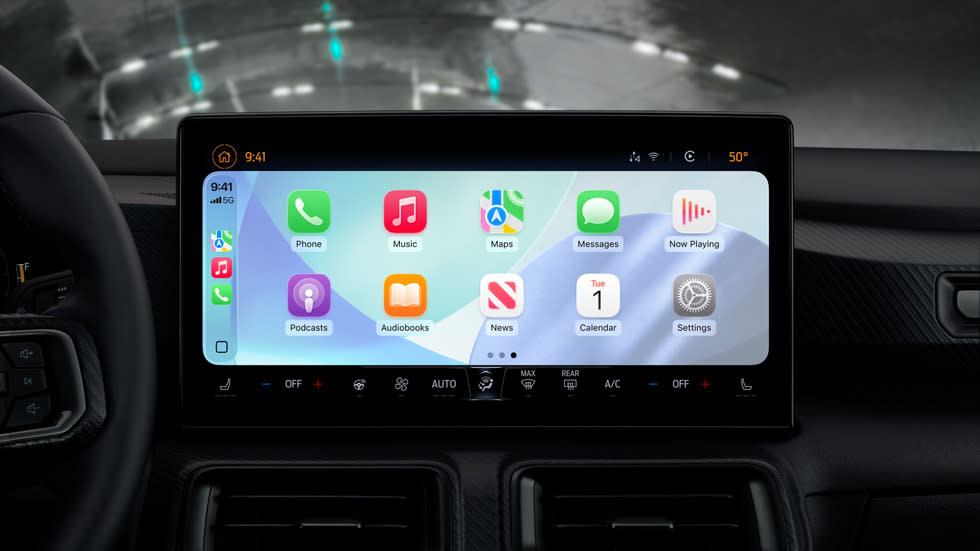
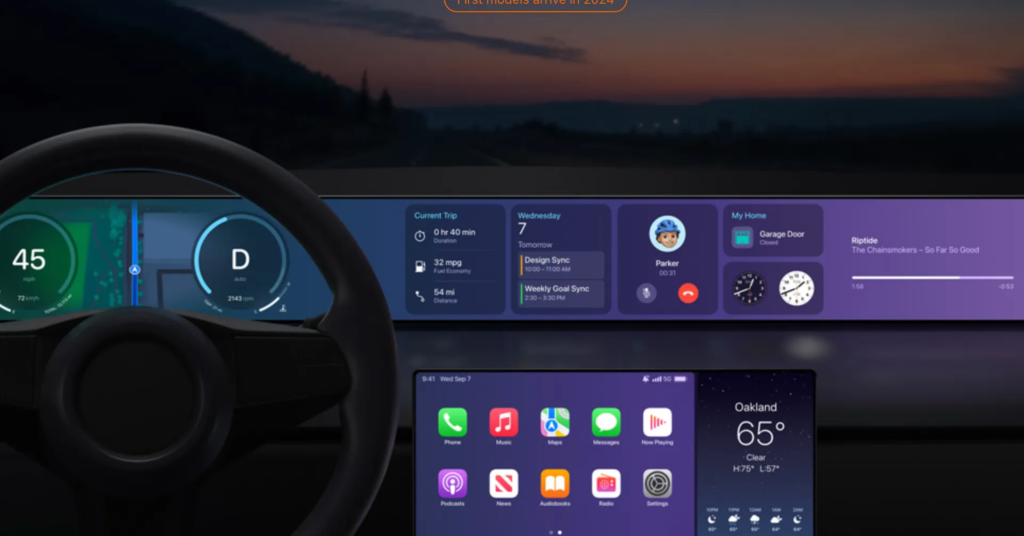
Apple appears to be preparing to let users talk to third-party AI assistants through CarPlay. Apple is exploring a plan that would allow other companies to offer voice-enabled chatbot experiences inside CarPlay. This would put tools like ChatGPT and Gemini in the car in a more direct way than today.
CarPlay has used Siri for voice control from the start. That has kept the in-car voice surface tightly controlled. The new strategy would introduce additional options to drivers, with the fundamental system remaining under the control of Apple. Reports indicate the change may be implemented in the next few months, though no official date has been announced yet.
Third-party voice
Apple will not let users swap the Siri button or change the wake word. Reports say a third-party assistant will need to be opened to take a voice command. That design means Siri will remain the default quick voice option. It also means that third-party tools will have to live inside a guarded frame inside CarPlay rather than replace the system.
The early limits are practical. Car makers and regulators care about driver safety. Apple must also protect privacy and system stability. Requiring the app to be opened before it listens is one way Apple can reduce risky wake word confusion and lower the chance that an app will run with broad system access.
How it Will Work
Developers would adapt their mobile AI apps for CarPlay. The adapted apps would answer questions and handle tasks through the car audio and CarPlay screen. The goal is a smoother hands-free flow than placing a phone on speaker. The experience could let drivers do more complex work while keeping their eyes on the road and hands on the wheel. Early reporting notes that the change will not let a third party replace the native Siri integration.
Apple may give special rules for how these assistants handle private data. Drivers often speak about sensitive items while on the road. Third-party assistants will need to meet privacy and safety rules set for CarPlay apps. How strict those rules become will shape what kinds of AI tasks are allowed in the car.
Driving with Digital Help
The move will be a welcome surprise to many. The households that have Android users and those that have iPhone users usually desire greater cross-platform sharing and services. Individuals who already use ChatGPT and other assistants on their phones might be interested in the thought of the same assistant in the car. The shift might also compel navigation and audio application makers to incorporate more conversation features adjusted to the drive.
Time will be required to develop safe flows by car makers and app developers. CarPlay will still use car manufacturers, who will determine its appearance and performance when driving. That can delay certain features or reduce the aggressiveness of an assistant in the case when the vehicle is driving. Before going wide, Apple will probably need defined guardrails.
Questions and Caveats
There are open questions about how Apple will certify an assistant for CarPlay. There are also business questions about monetization and data sharing. Some AI companies rely on data to tune their models. CarPlay rules may limit what can be logged. That will shape how those companies design their car versions.
Another issue is distraction. Even a well-made assistant can encourage more voice traffic in a car. A Bloomberg report says that regulators in some countries already limit how systems can behave while a vehicle moves. Apple must balance new features with safety and with local laws.