


Apple appears to be preparing to relaunch the MacBook Pro with M5 Pro and M5 Max in early 2026. The new models were placed in the same broad period in technology news coverage and industry observers as the macOS Tahoe 26.3 release. The indications are of a small yet significant hardware update, which is primarily concerned with performance and efficiency improvements and not an overhaul.
Launch Timing Explained
Apple is known to release hardware updates in conjunction with a software version. Recent Mac launch pattern reveals the tendency that a macOS update in most cases, follows new machines at approximately the same time. The observers anticipate macOS Tahoe 26.3 to be shipped by Apple at the beginning of the year. Such a time opens an opportunity for Apple to release new M5 Pro and M5 Max MacBook Pro models. The company might introduce the machines on a Tuesday, take preorders on the same day or the next Friday, and deliver the machines a week later. That is the way Apple has carried out similar rollouts in the past.
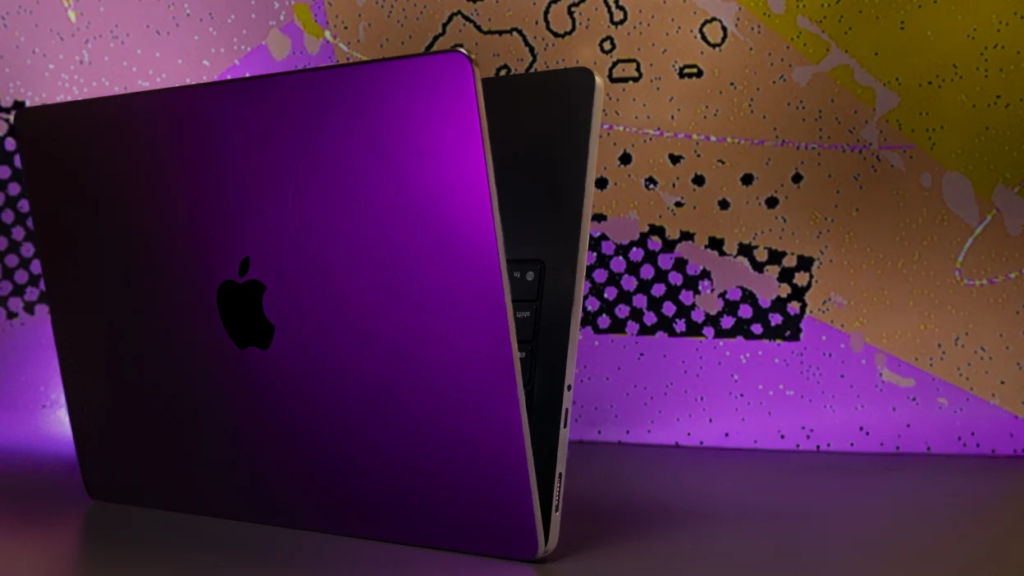
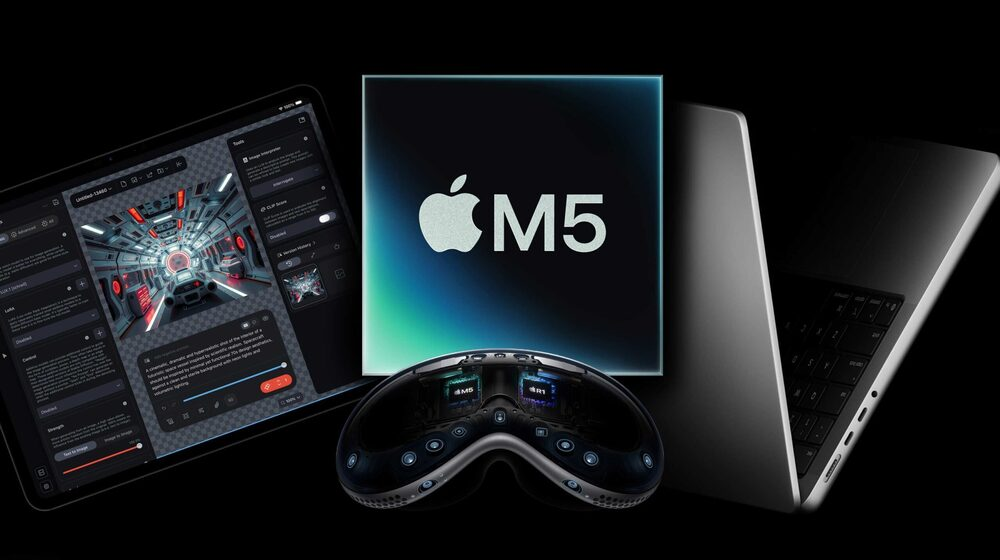
Apple Silicon is already familiar to Apple fans, with the M5 Pro and M5 Max being the next iteration. They will be able to introduce minor clock and efficiency benefits over existing M4 Pro and M4 Max parts. Those gains are going to be the most important to the long-term processes like video editing, 3D rendering, and compiling heavy code. To most users, the new chips will provide a longer battery life or lower noise during load and still maintain peak performance.
What to Expect
This update will not include a complete design overhaul. Other models of the MacBook Pro, which usually undergo mid-cycle chip update have the same chassis and ports. It is commonly known that Apple is dragging its heels on any radical exterior innovation until the subsequent generation. The OLED touchscreen and additional industrial redesigning rumors are always associated with future chips, including the M6, and the second half of the year.
The refresh is likely to focus on configuration and performance choices. Apple may offer multiple M5 Pro and M5 Max configurations to match the needs of pros who want either raw multicore throughput or the best mix of cores for battery-efficient work. Expect higher memory bandwidth and support for greater Unified Memory capacities on the top configurations. Storage options and I O are likely to remain comparable to current models.
The new chips will be a revolution rather than a revolution for the consumers and professionals who purchased the first M5 MacBook Pro earlier in the cycle. The M5 Pro and M5 Max machines will be the logical upgrade for buyers who require the best thermal sustained performance in the modern day.
Timing and Software
According to Bloomberg’s Newsletter, macOS Tahoe 26.3 is already in developer beta testing. A short beta cycle would allow Apple to release a final public build in early February or soon after. A public macOS 26.3 release gives Apple the cover it needs to announce new hardware that ships ready for the new system software. Even if the full macOS release comes after the hardware announcement, Apple often makes the machines available with a release candidate or golden master of macOS that is functionally identical to the public version.
How to Plan as a Buyer
The earliest update of the MacBook Pro in 2026 will be the logical choice of buyers who prefer the latest chips but do not have to wait till the redesign. To the people who like the visible changes, like a new display technology or a new enclosure, one will probably need to wait until a later announcement that will target M6 chips and an OLED option is made. Apple tends to strategically stumble in these refreshes in order to have alternatives throughout the year.
A chip-based, controlled refresh can assist Apple in controlling supply and keeping its product roadmap consistent. It also provides a concrete performance boost to developers and professionals, which can be planned on. The MacBook Pro is also expected to remain competitive in the pro laptop market through new M5 Pro and M5 Max models as Apple makes bigger generational steps later in the year.
Short Mac silicon cycles have become a trend within Apple over the past few years. That is why the Pro and Max variants update in spring or early years should be considered a reasonable and practical assumption. The M5 Pro and M5 Max refresh will be the first time many users get to upgrade to silicon newer than older without necessarily having to rethink the whole design.