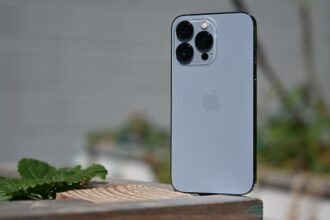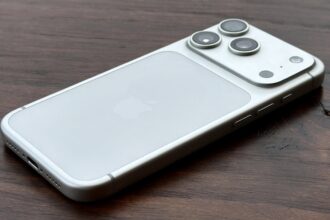


A fresh leak provides precise figures on a smaller version of the Dynamic Island on the iPhone 18 Pro Max. According to the report, the diameter of the cutout will decrease from approximately 20.76 millimeters to approximately 13.49 millimeters. The change is tied to the long-rumored move to under-display Face ID and a smaller visible camera area. The leak was shared by a well-known leaker and was picked up by tech sites that track Apple parts and supply chain signals.
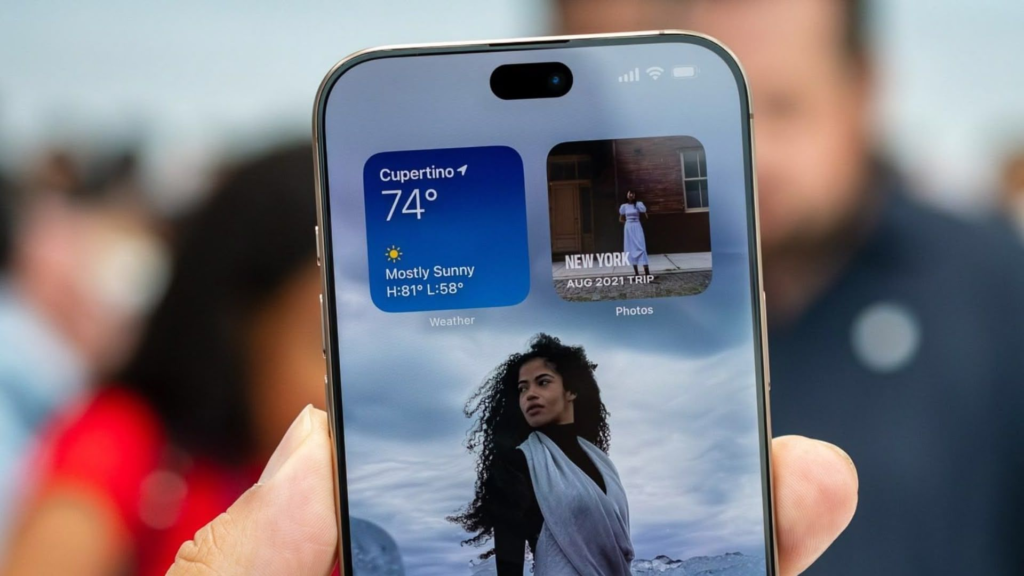
Apple has tested under-display Face ID for years. The part that matters is how many sensors can be placed under the glass rather than in a visible notch. The new dimensions suggest Apple will hide most Face ID components under the screen and leave a much smaller opening for the selfie camera and a few remaining sensors. That smaller opening is what people see as the Dynamic Island.
Dynamic Island Size
The leak lists a narrower island width of 13.49 millimeters. That is a 35 percent reduction from the reported 20.76 millimeters used in recent iPhone models. A smaller island gives app makers more horizontal space near the top of the display. The change could let Apple expand the use of Live Activity and other widgets in the island area on some apps.
A number does not prove the final product. Leaks can vary depending on the source. Sometimes, early engineering drawings differ from the parts that ship. Still, the reported dimension matches a general trend among leakers who say the island will be smaller on the next Pro models. That consensus raises the odds that Apple is moving forward with an under-glass approach to Face ID.
The leaked image that accompanied the report shows an off-center island placement. Apple normally aims for symmetry in design. That odd placement could be a drafting quirk, a perspective error, or a true detail. Past leaks have included early drawings that later proved to be inaccurate in placement while still accurate in scale. Treat the image carefully while watching for more confirmations.
Design and Impact
A smaller island could change how apps present small bits of information. Apple introduced Live Activity to surface things such as timers, sports scores, and tracking updates. More width in the island may allow richer previews or multi-element displays. Developers will likely test new layouts once the final cutout size is clear and final hardware samples reach developer labs.

Under the display, Face ID is a complex engineering move. Face ID is based on a set of optical and depth sensors that are supposed to operate under a variety of light conditions. Engineers must balance detection accuracy, battery use, and display uniformity. Placing components under the glass can degrade performance unless sensor design and software processing compensate. Apple has worked on that problem for years, and a successful rollout would mark a notable technical milestone.
Smaller visible cutouts could also have marketing value. An iPhone with a nearly uninterrupted display is easy to show in promotion and can look more modern to some buyers. That effect was visible when Apple reduced bezels in past generations. But the feature should also be successful in the daily application of the majority of customers. Appearance is not better than performance in the long run.