


Recent statistics on the market indicate that Apple has made progress in China during the fourth quarter of 2025. According to reports by Counterpoint Research, the shipments of iPhone increased significantly during the quarter and Apple captured approximately 22 percent of the China market. The demand on the iPhone 17 series and increased supply ramps significantly attributed to that gain. Meanwhile Counterpoint data and supply chain indications indicate that the iPhone Air took merely a minute portion of shipments in China.

The iPhone Air has received attention on the fact that it attempts to bring together a high price and ultra thin design. In certain markets, the product was introduced later than Apple intended and sold within short periods. However, according to reports based on shipment and supplier data, so far the model has taken a low single digit share of iPhones shipped in China in Q4. Supply chain snapshots and retail data can indicate trends but will not indicate complete unit totals of Apple.
iPhone Air Performance
Analysts say the iPhone Air has a narrow audience. The device trades away some features to reach a very slim profile and that choice limits its appeal for mainstream buyers. Early adopters and fans of compact phones may like it. Mainstream buyers who want battery life and camera performance tend to pick Pro models. Counterpoint noted that the iPhone 17 Pro and Pro Max were the primary drivers of Apple growth in China for the quarter. That pattern suggests the Air played a supporting role rather than a central one.
Pricing and timing also matter. The Air is positioned above the standard iPhone yet below some Pro models in price. Analysts caution that a late launch compresses the time the model has to capture holiday sales. Reports showed the Air sold out in some stores after a delayed launch on October 17. That sell out, while real, is not the same as high market share over the whole quarter. Supply and stock allocation affect how many units appear in any single market snapshot.
Market and Context
One clear point from the reports is that Apple regained a strong position in China in the quarter. Counterpoint says Apple rose about 28 percent in shipments year on year for Q4 and finished the period ahead of rivals. The broader China smartphone market shrank slightly year on year in the quarter, which makes Apple gains more notable. Still the data show nuance. The iPhone Air was not a major share of shipments in the period covered by those supply chain snapshots.
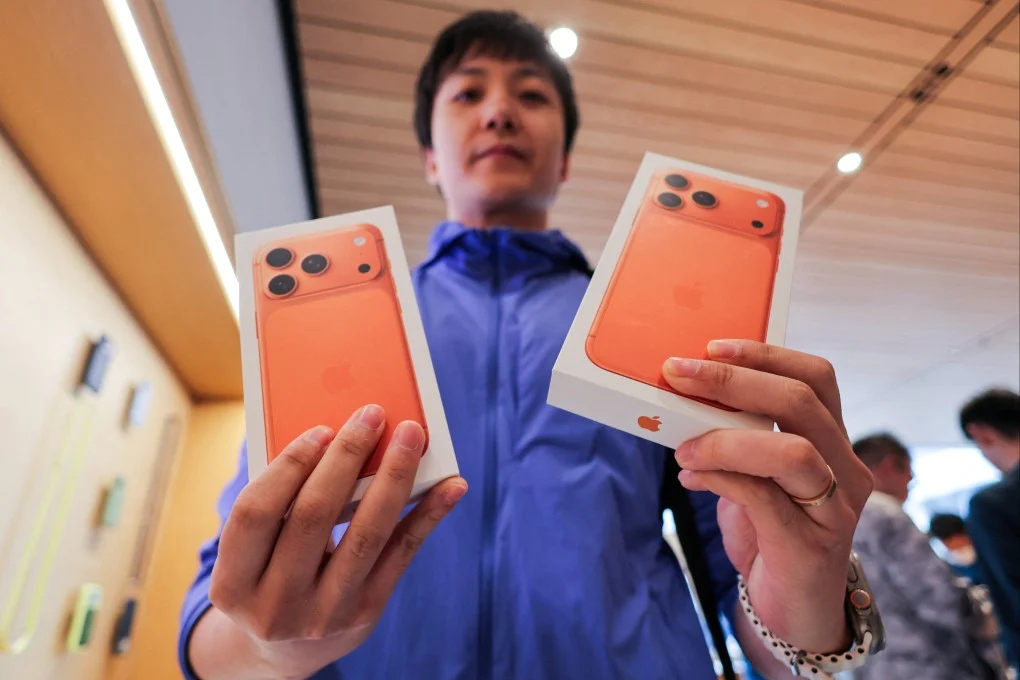
Interpreting supply chain and shipments data calls for care. Apple does not publish unit shipments by model and it has long warned against relying on single supplier signals. Analysts and journalists often assemble a composite picture from factory orders retail data and logistics flows. That approach can point to trends. It can also miss elements such as carry inventory channel filling and the movement of older models through promotions. Market watchers use multiple data sources to cross check results.
What the iPhone Air means for Apple over the coming months is partly strategic. The device tests an ultra thin design and may inform future product choices. The Air also targets a niche that did not always exist when Apple only offered standard and Pro lines. Past experiments such as the mini and the plus produced mixed outcomes. The Air may endure as a niche option. It may inform the company about demand for new form factors and for future variants.