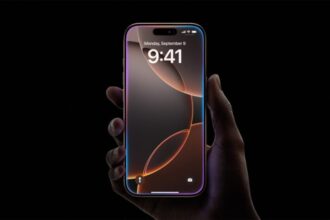
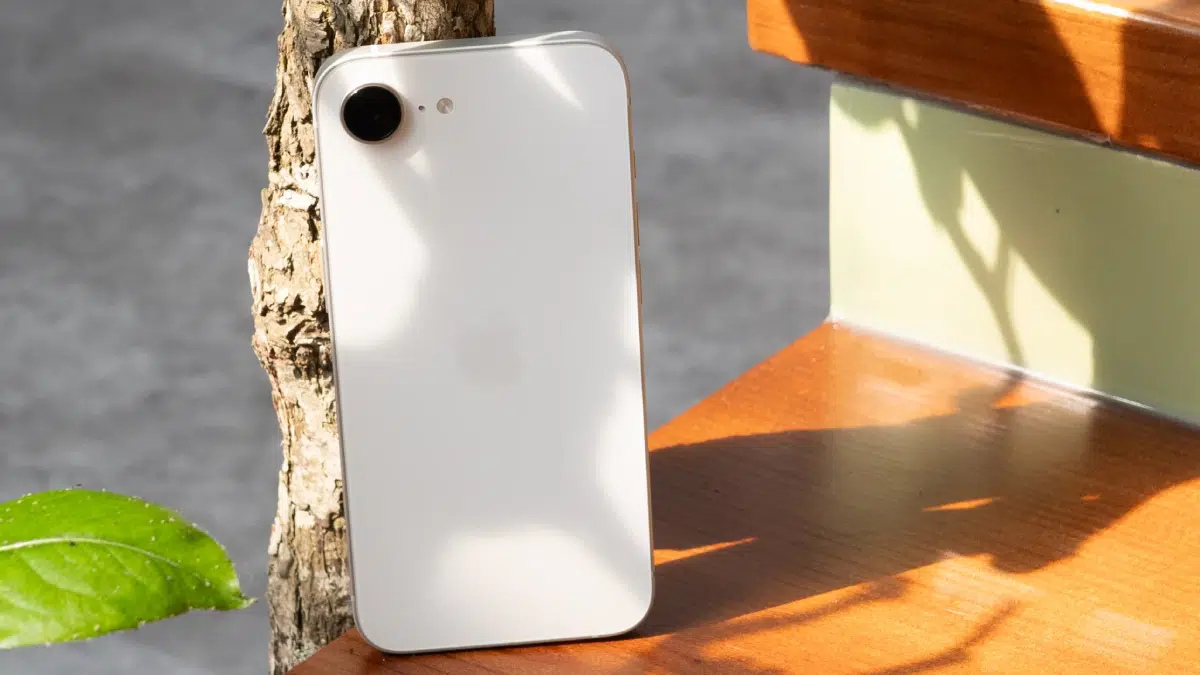

Apple plans a modest but visible update for the iPhone 17e. The new model will reuse the same 6.1-inch OLED panel that the iPhone 16e uses, while the company will make the display look cleaner by narrowing the bezels. This change aims to refresh the look without raising costs or forcing a full panel redesign.
Display and design
The iPhone 17e will retain a 6.1-inch OLED display, and it will have the same core panel and size as in the 16e. The technology of driving the pixels with low-temperature polycrystalline silicon thin film technology is used in that panel. The choice keeps the device on the more affordable side of the lineup while offering a vivid screen for reading and video.
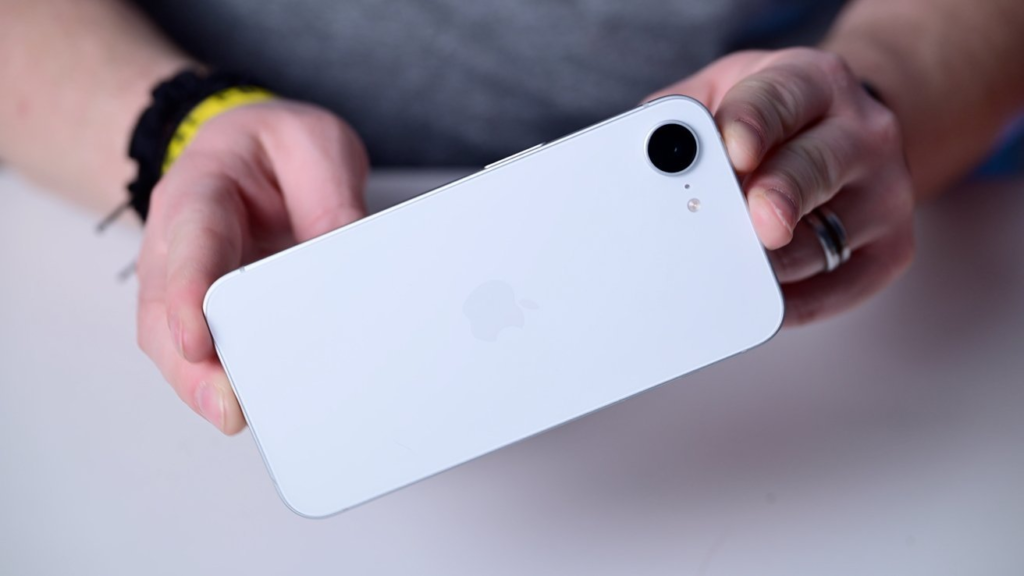
Apple is set to reduce the bezel width around that same panel. The firm can thin bezels without a major panel redesign because the display circuitry allowed room for such a change. The visual effect will be a fresher front face while the underlying glass and panel structure stay familiar to makers and repair shops.
The 17e will not join the models that use variable refresh rate technology. The higher-tier iPhone models rely on LTPO panel tech to support ProMotion and adaptive frame rates. The 17e will continue with LTPS panel technology, which is common in lower-cost iPhones and which does not enable the 120 Hertz experience. This keeps the product clearly separated from the flagship phones while preserving battery and cost targets.
Rumors also name a few other carryover parts and traits. Reports mention that the 17e may reuse elements of the 16e chassis. Some sources claim the phone could ship with the new A19 chip in certain markets and that the Dynamic Island may not arrive on the 17e. These points remain tentative and should be weighed as rumors rather than confirmed facts.
Suppliers and timing
BOE is reported to take the largest share of display orders for the iPhone 17e. The Chinese panel maker supplied large volumes for the 16e, and the same role is likely for this model early next year. Samsung Display and LG Display will fill the remaining needs. Such a combination indicates Apple objectives of diversifying its supply base and maintaining cost control.
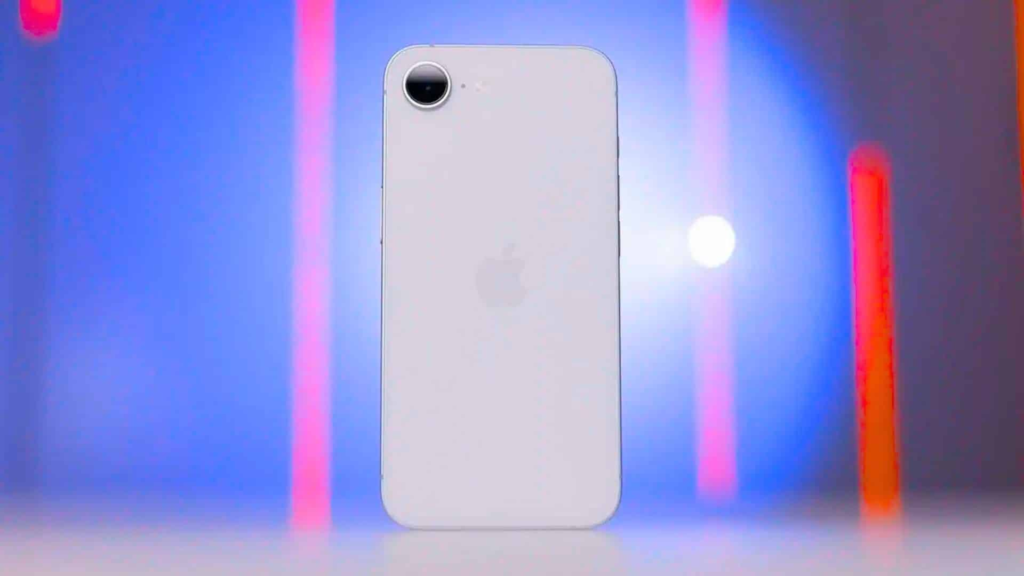
There are projections of an eight million shipment target of the iPhone 17e during the first half of 2026 by industry sources. That prediction is lower than the annual figures that Apple has achieved on previous models of entry, but the figure is an initial forecast based on initial orders and factory arrangements. Production timing aims to have panels and assembly ready for an early 2026 launch window.
BOE still faces challenges when it must mass-produce LTPO panels at scale. Those problems have led Apple to shift larger volumes of premium iPhone displays to Samsung and to keep BOE focused on models that use LTPS technology. The move helps Apple to keep production steady for flagship lines while letting BOE handle the more volume-driven entry model.