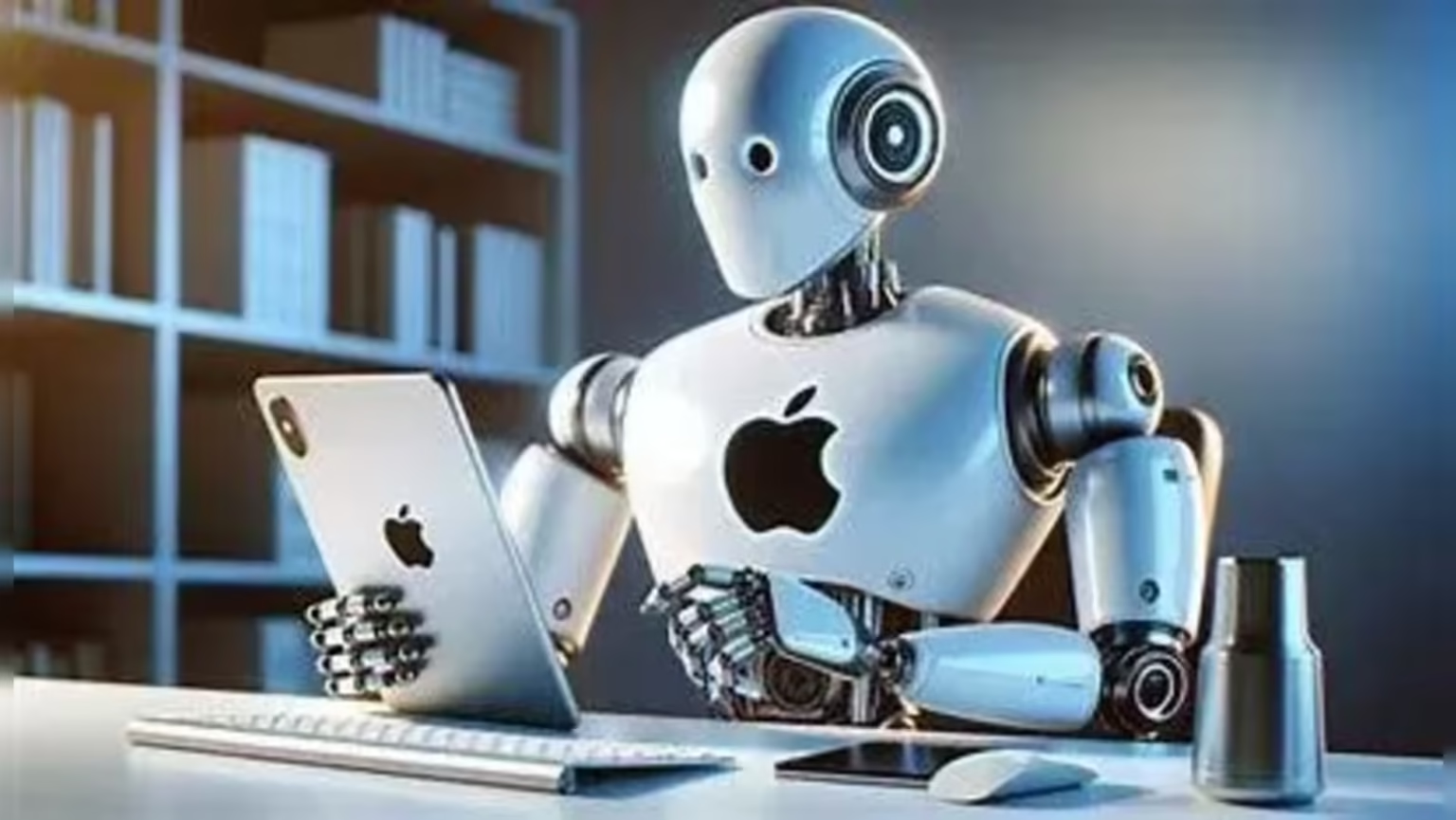

Morgan Stanley analysts say Apple could build a robotics business that rivals its biggest services. The bank estimates robotics could bring in roughly $130 billion a year by 2040. That would place robotics near the scale of the App Store and far above the revenue from Mac or iPad today.
This idea is large and simple. Apple already builds hardware. Apple writes software. Apple makes chips. Those strengths could let the company move from phones and watches to machines that move. Morgan Stanley calls that embodied AI. The firm projects the broader embodied AI market could reach trillions in the coming decades.
Market size outlook
Analysts who model this market point to a few numbers. Morgan Stanley suggests Apple might capture roughly nine percent of the global robotics market by 2040. That is the source of the roughly $130 billion estimate. The same analysis says a more aggressive path could push Apple even higher.
The broader market for robots and physical AI is not hypothetical. Research groups and firms report fast growth in service robots, factory automation, and intelligent helpers. Over time, falling costs for sensors and computing make mass adoption more likely. Morgan Stanley and others use those trends when they model long-term revenues.
How Apple will
Morgan Stanley and other observers point to signs of work inside Apple. The company has long-term research projects in mobility and robotics. Another popular recycling robot created by Apple is called Daisy, which dismantles iPhones. That project shows Apple can engineer moving machines and reliable tooling.
Reports also point to Apple talking with suppliers and expanding manufacturing plans. Apple has tested new supply chains. It has worked with partners on batteries and on custom parts. Those supplier ties could be helpful if Apple moves to build robots at scale.
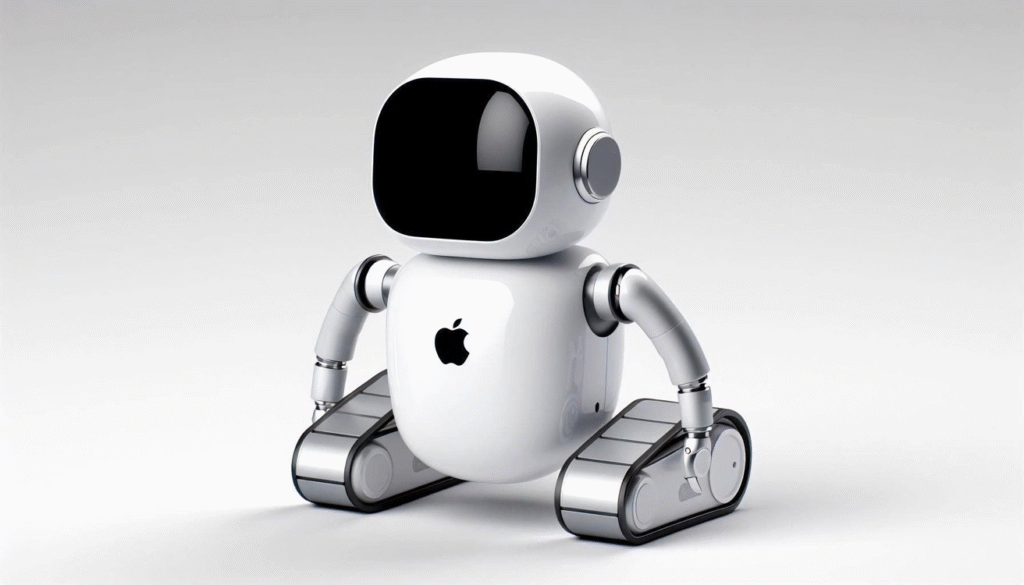
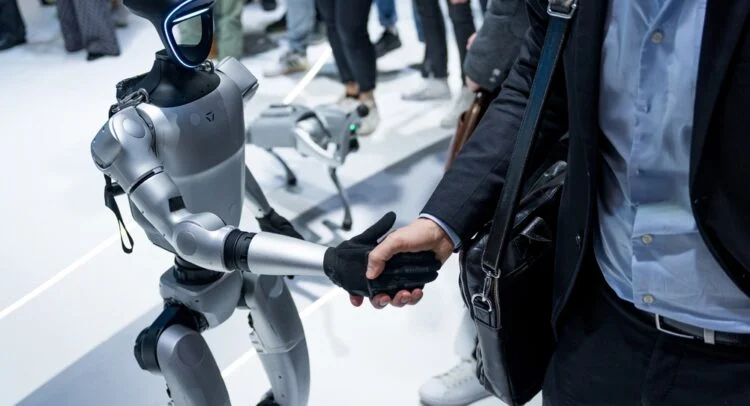
Analysts expect Apple to follow a familiar path. The plan would start with a small, focused product. The product could be a motorized tabletop hub that helps with simple tasks and acts as a home hub. That first device would test core tech and learn how people use a robot in daily life. Over time, Apple could expand to more capable devices.
Why this could work
Apple has three advantages that matter for robotics. First, Apple builds its own chips and optimizes software for those chips. That control can speed real-time sensing and local reasoning. Second, Apple has strong consumer trust and a massive installed base for services. Third, Apple can sell hardware and services together. Subscriptions and cloud features could make a robotics product financially sustainable.
If Apple builds a reliable robot that preserves privacy and integrates with iPhone and HomeKit, many buyers could feel comfortable adopting it. That combination of trust and tight integration is the asset Apple has used to grow other product lines.