
Nintendo now anticipates selling 19 million Switch 2 consoles by March 2026. This is against a previous forecast of 15 million. Since the launch of the console in June, the company has sold 10.36 million Switch 2 units. The company also reported that 4.54 million of those consoles were sold during the past six months. Nintendo increased its forecast of Switch 2 games to 48 million, instead of 45 million. These were the figures that were released in the company earnings report, and they were period-based between April and September.
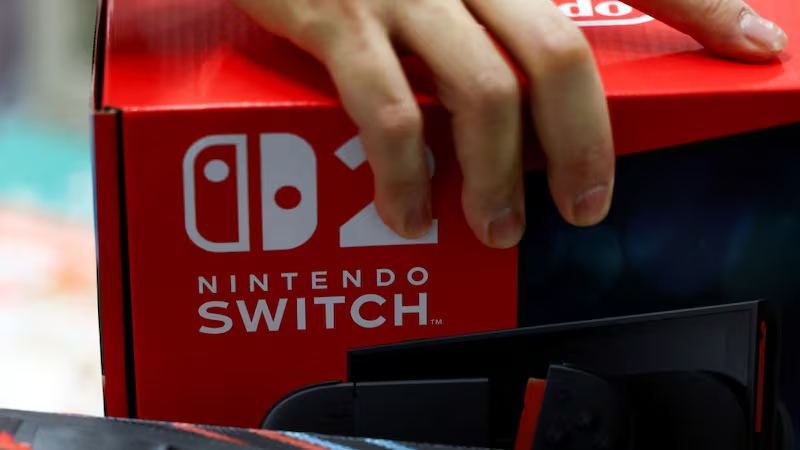
A high demand compelled Nintendo to expand its annual hardware and software projections. The firm observed that sales of hardware and software would lead to a significant increase in sales. Nintendo recorded a 1,099.5-billion-yen revenue in the six months. This was compared to 523.2 billion yen in the previous year period. The company also increased its full-year sales projection to 2,250 billion yen and indicated that it factored US tariff policies into its forecasting.
Market Context and Impact
Switch 2 is currently the highest-selling game console in the history of Nintendo. The original Switch continues to sell and has already sold 154.01 million units in its lifetime. This number is one-tenth of the DS figure of 154.02 million. The Switch line will be selling a high number of units per year, so fa,r which could be a threat to the PlayStation 2 of 160 million in the long run. Nintendo explained that high demand is the reason behind its move to increase the sales target.
Game sales and software attach rates matter. Nintendo reported 20.62 million Switch 2 games sold since launch. The smaller increase in the game forecast suggests the company is focused on steady software growth that supports long-term platform health. Higher hardware sales often lift first-year software buys as new users buy key titles and services.
How players and developers benefit
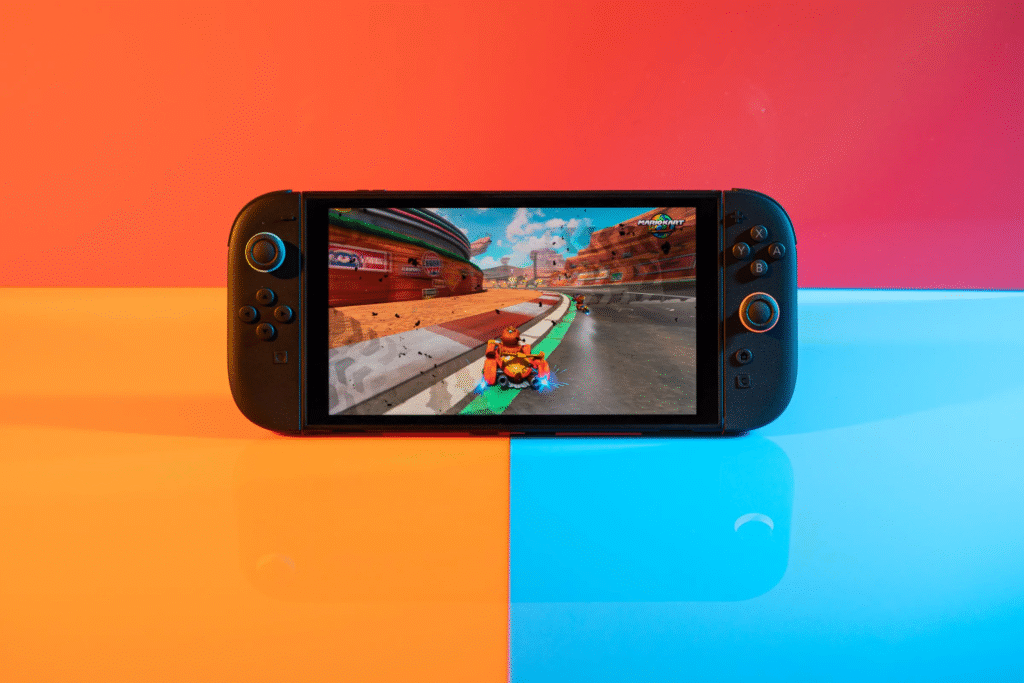
More consoles in the market usually mean more players and more attention from third-party developers. Larger hardware sales can extend a console lifespan. Developers may prioritize top titles and live service updates for a platform that shows strong user growth. Nintendo’s clear focus on both hardware and software suggests the firm wants steady long-term engagement rather than a short-term spike.