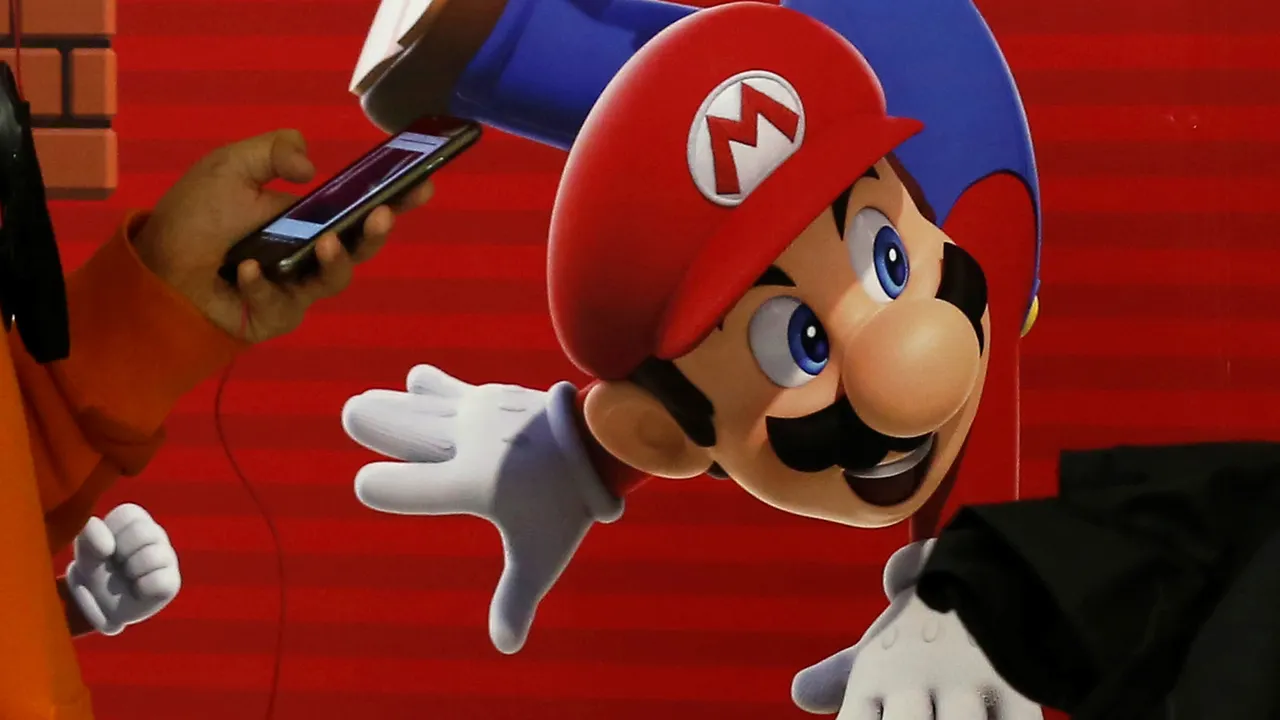

Nintendo found itself in an online roar over one image. A family photo from the My Mario campaign led to furious claims that the ad used AI to fake the scene. The complaint focused on a single odd hand angle. The post went viral. The hashtag Fingergate spread fast. A model wrote on Instagram that the image was real. Nintendo also confirmed that no AI was used in the promotional images. The frenzy did not stop right away. The episode shows how quick people are now to assume digital fakery and then to demand refunds and apologies.

How Fingergate Blew Up
A single frame turned into a mob. Viewers saw an odd thumb and they assumed the worst. The internet has learned to see AI in everything. Past scandals taught the crowd that brands lie. That history makes any odd pixel suspicious on sight. Social feeds fed anger. People shared the clip and the hot takes. The campaign detail became a headline. People phoned for refunds. Some asked for names of the creatives who worked on the shoot. That is the new normal.
The brand moved quickly. A model posted a message on Instagram that said the photo was not AI generated. Nintendo issued a statement to a trade site that said the same. For many viewers that was not enough. The crowd wanted evidence and receipts. They wanted to see raw files and studio notes. The demand was not only for clarity. It was for public humiliation. A modern outrage loves a spectacle.
What the Fuss Really Tells Us
This incident is not about a hand. It is about trust. The public has grown used to AI slop. Many campaigns now use AI in some way. That reality erodes the benefit of the doubt. When a brand posts an image people no longer assume a human made it. People assume an algorithm did it. That default suspicion is expensive.
Brands face a new test. They must prove craftsmanship in public. They must be ready to show the behind the scenes work on demand. Brands that plan for this will be clearer and safer. Brands that do not will pay with anger and damage to reputation. Transparency will be a marketing asset.
Creators also need protection. Photographers and stylists are now vulnerable to false claims. A single odd pose can get a person attacked online. That outcome is unfair for people who did real work. A system that rushes from suspicion to attack will end creativity. Filmmakers and brands will make safer images. That safety will make ads bland. That is a loss for everyone.
How Audiences Can Stop Feeding Outrage
Slow down before you share. A quick check can solve many false alarms. Look at the model comments. Look for official brand replies. A single frame rarely proves fraud. Ask for proof before you demand refunds. A better habit will save time and reduce harm.

The public should also be careful with language. Accusations of AI use can end careers. A fast claim can cause real damage. The crowd must remember that brands and people are not the same thing. A maker who used a long career to craft a shot is not a faceless algorithm.
This moment is a symptom of a larger shift. Technology changed the rules of visual trust. People must change how they react. Brands must change how they communicate. Creatives must adapt their workflows to document their work. All of this will slow the next Fingergate. Nintendo did the right thing by answering. That reply did not calm every critic. Some users insisted the hand was double jointed anatomy or poor editing. The crowd can be relentless. Still the core lesson is clear. We live in an age where suspicion moves faster than proof. The rush to judgment is now a brand risk and a human risk.