

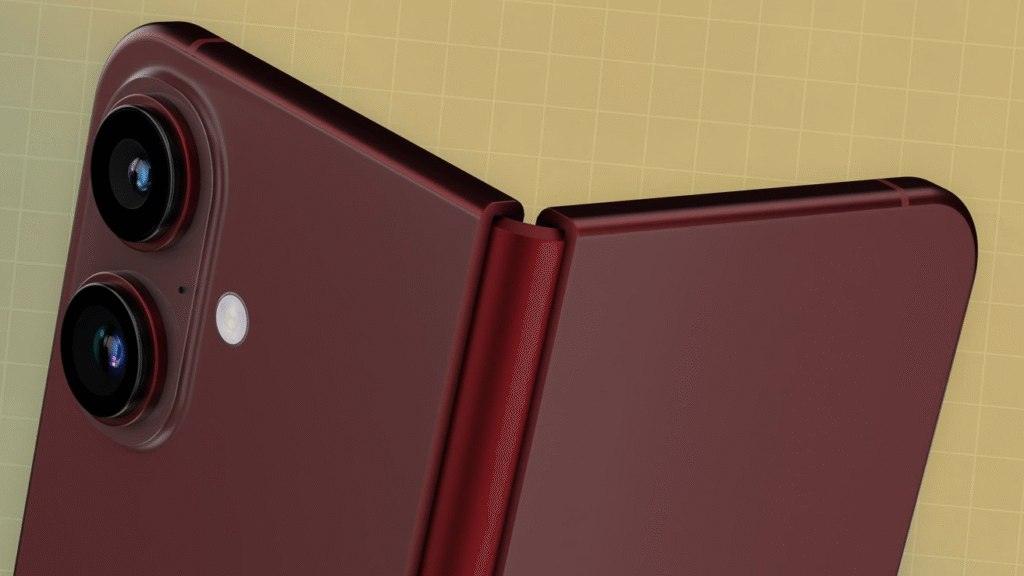
Recent supply chain and analyst reports suggest a practical first large-scale application. Industry observers say Apple is testing metallic glass or related amorphous alloys for hinge components in a foldable iPhone. A hinge must be durable and must flex repeatedly without deforming. A strong, elastic, and lightweight alloy can reduce stress on the display and cut the risk of long-term creasing or failure. These reports name specific suppliers that are preparing to die-cast or otherwise mold critical hinge components. Those steps match the strengths of Liquidmetal-style alloys.
Manufacturing and patent work
Liquidmetal is easier to shape than many high-strength metals when parts are thin. That trait favors precision thin walls over thick blocks of metal. Apple and partners explored techniques such as counter gravity casting, injection molding for amorphous alloys, and layered core-shell parts. Those methods aim to make hollow or thin structural shapes that would be hard to machine from conventional alloys. Patents show how metallic glass parts might be produced to meet volume manufacturing demands.
The material is not a simple drop-in replacement for aluminum or stainless steel. It requires specific tooling and controlled processing. Yields and cost matter for a mass market product. That is likely why Apple used the material at a low scale long before any consumer-facing rollout. The company has continued to refine the supply chain and test partners who can deliver reliable parts.
Practical limits and likely role
Liquidmetal is unlikely to replace an entire phone frame. The cost and production complexity make that improbable today. A more realistic role is the selective use in parts that benefit most from the alloy traits. Hinges and bearings are one such area. Small brackets, fasteners, or internal frames that must flex and recover could be other candidates. Using the alloy in a few critical places can extend product life while keeping overall cost and weight manageable. Recent rumors about foldable hinge parts fit that pattern.

Apple has kept the work quiet for a reason. The company studies materials that deliver clear user benefits and that scale reliably. Liquidmetal offers potential gains that match Apple’s priorities in durability, fit, and finish. The firm first invested in the technology long before it used it widely because it wanted manufacturing confidence before any public launch. The approach explains a decade of patents, tests, and small experiments rather than immediate mass adoption.