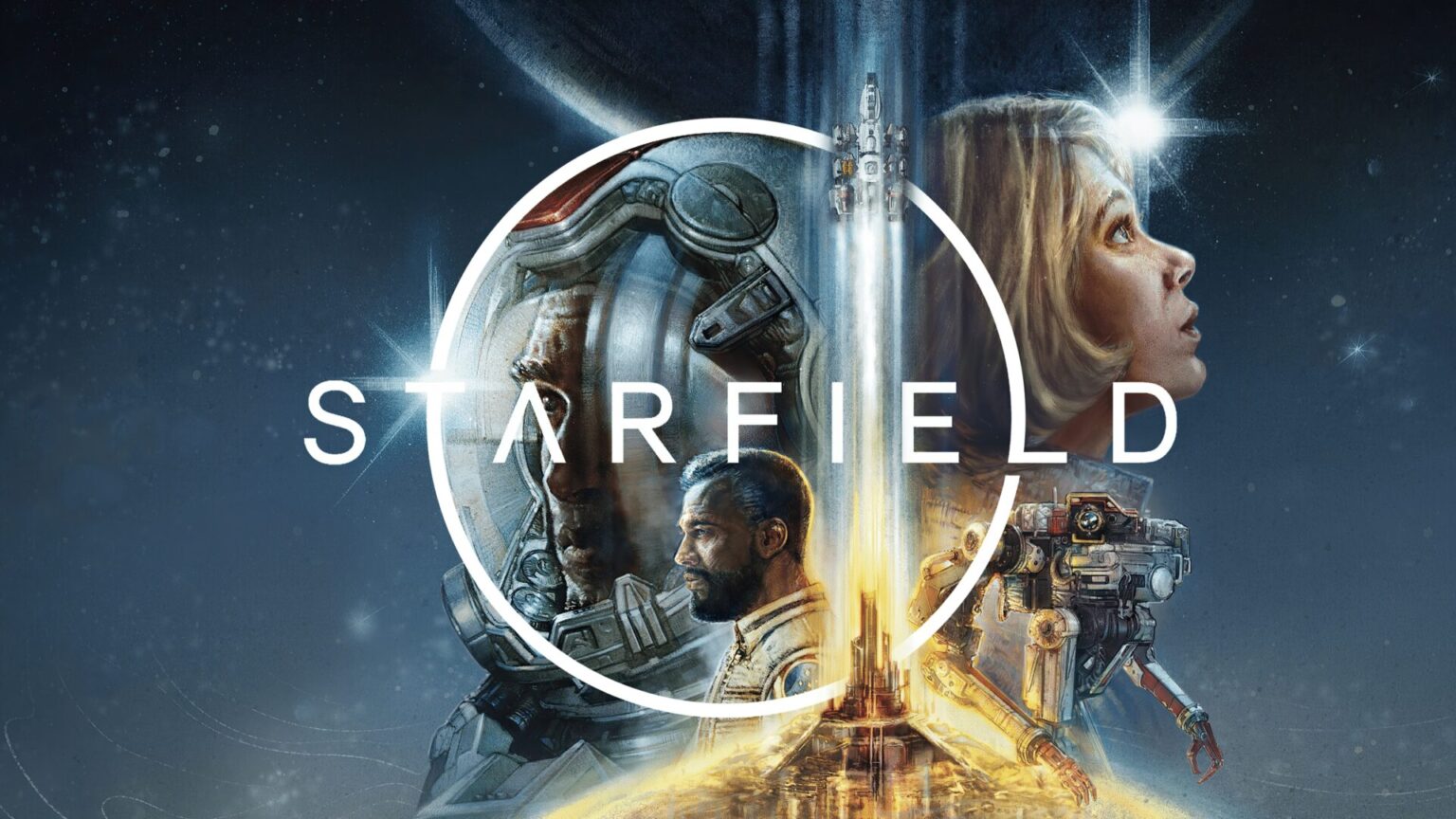

Bruce Nesmith contributed to Starfield, Fallout, and The Elder Scrolls titles. He has discussed the game in a recent interview. He referred to Starfield as a good game but did not state that it could compete with Fallout or Skyrim. He pointed to procedural systems and to world design as the main reasons.
Nesmith said that space itself is not exciting in the way fans might expect. He explained that empty space is, by definition, nothingness. He said that moving from star to star is not where the thrill should be. The thrill must come from the places you land on.
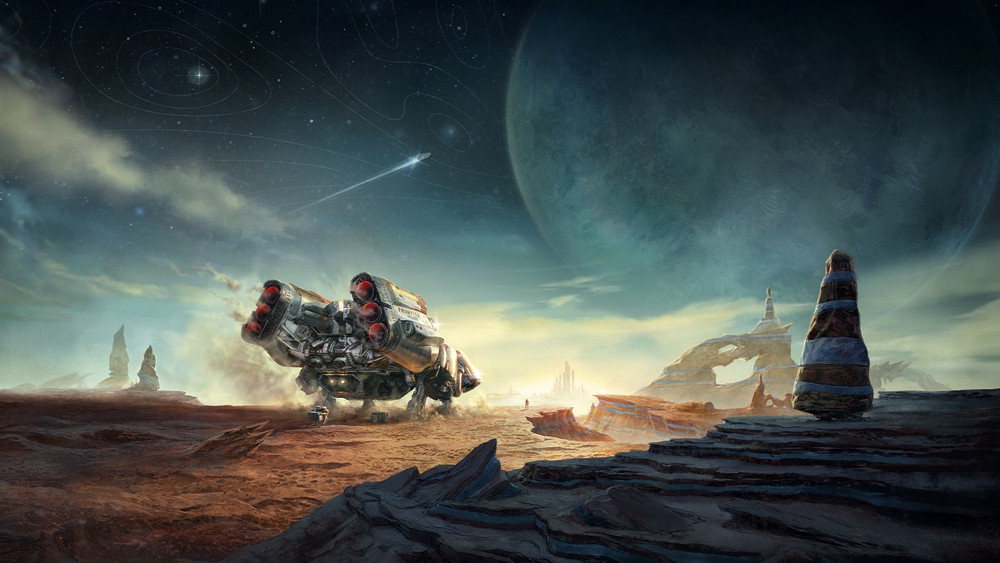
He argued that the planets in Starfield often feel the same. He said procedural generation produced many surfaces that lacked unique hooks. When a planet feels very samey, he said the exploration loop breaks. That is where the game starts to lose the player.
Nesmith also criticized enemy variety. He said that the most serious opponents were human. He added that alien creatures were present, but they rarely drove stories or created memorable fights. He compared those creatures to low-level wolves that do not shape missions. That lack of serious alien threats reduced the drama of exploration.
His comments reflect a wider debate about Starfield. Some players praised the scope and the systems. Others felt the world was shallow. Critics have debated whether procedural approaches can match handcrafted design for long play engagement. Nesmith said he would have liked to see more compelling content on the planets rather than the sheer quantity of worlds.
Development choices matter
Starfield used a large procedural pipeline to create many planets. That created scale. It also created a design challenge. Procedural tools can make lots of places quickly. The hard work is to make those places feel different and worth visiting. Nesmith said this step did not always succeed in Starfield.
Former developers and some industry analysts have said similar things. They argued that procedural work needs strong curated anchors. Those anchors give the procedural systems meaning and context. Without anchors, the result can feel repetitive. That is the risk when quantity outruns curated detail.
Nesmith brought practical experience to his view. He worked on systems and on astronomical data inside the project. His perspective blends technical knowledge and design intuition. That makes his critique notable to players and to other developers.
Where Bethesda can improve
Bethesda is already working on changes. The studio has teased story expansions and system updates. Reports and rumors say new content and quality of life changes are in development. Fans expect work on enemy variety and on planet content to help with long-term engagement.
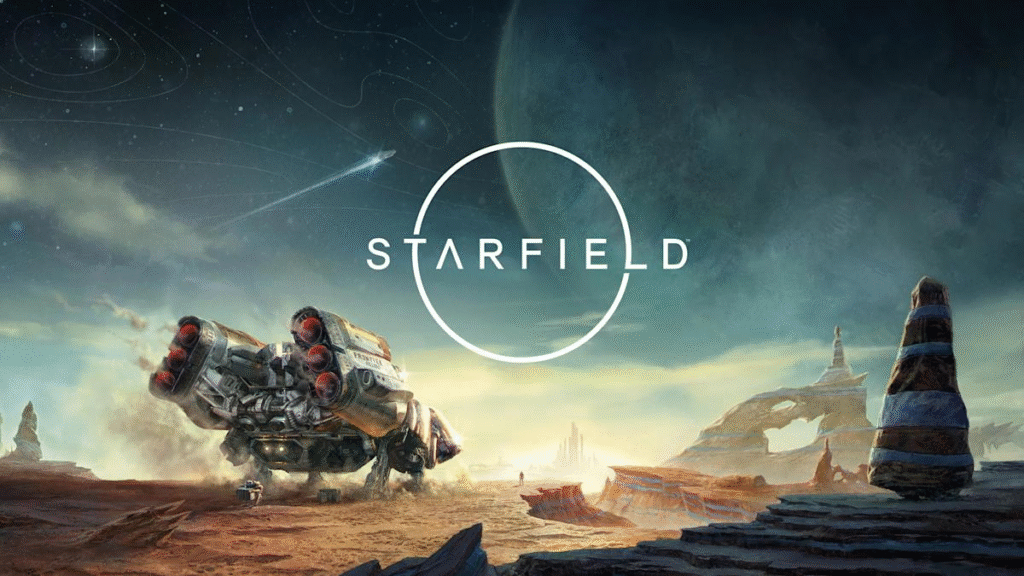
Procedural generation can be refined. Teams can add more handcrafted encounters and stronger mission seeds. They can design distinct factions and unique environmental puzzles. They can also tune spawn logic so that creatures and events feel meaningful. Those steps take time and iteration. Nesmith implied that future updates could close some of the gap between Starfield and Bethesda best best-known titles.
At the same time, some players say the game already offers strong systems for ship building and for certain quest lines. The community reaction is mixed. Some praise the sandbox tools. Others want denser and deeper content on each planet. Both views will shape what the studio prioritizes next.