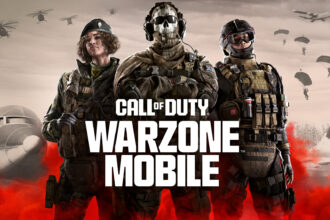


Treyarch’s newest Call of Duty entry has been the top console performer in recent weeks, while Battlefield 6 performs far better on PC. The difference is brought down to availability, legacy installs, retention of players, and quality of post launch support. In this article, we will step through the figures, describe their probable causes, and provide an outline of what to monitor.
Console Versus PC
The simplest way to read the current landscape is to split it by platform. On consoles, the Call of Duty franchise runs across both current and last-generation hardware. This gives it a wide addressable base. Battlefield 6 can only be played on the latest consoles. That reduced base of installers puts a tight squeegee on the number of prospective users on PlayStation and Xbox. On PC, the story appears different. The presence of Battlefield 6 in Steam has continued to draw a lot of visibility and a high number of players. What has emerged is a market division in which Call of Duty is dominating the consoles with Battlefield continuing to lead the PC market.
Key Points About Platform Reach and Its Effect on Numbers
The Call of Duty app bundles multiple titles and a free-to-play option. That consolidation tends to boost console engagement metrics. Battlefield 6 is a next-generation exclusive on consoles. That reduces total console exposure. On PC, the Steam ecosystem can amplify a title through visibility features and promotions. That is one reason Battlefield 6 still shows strong Steam activity even as console counts lag.

The Data Story
Weekly and daily tracking services show a clear pattern. On consoles, Call of Duty Black Ops 7 has been the top-played shooter in recent tracking windows. On Steam Battlefield 6 reached very high concurrent peaks at launch and then settled to a lower but still relevant daily level. The PC audience has not abandoned Battlefield, yet the console audience has rotated toward Call of Duty. The numbers tell a simple story about reach and retention.
Reading the Raw Signals
Launch peaks seldom tell the whole story. Peak concurrent players are notable, but retention matters more for long-term health. Battlefield 6 saw an exceptional launch peak on Steam. That early peak has contracted over time. A smaller steady audience now plays daily on Steam compared with the launch moment. Call of Duty keeps a larger steady console audience in the United States at present. That steadiness translates into top placement on weekly console play charts.
Why Call of Duty is Winning Consoles Now
Availability across more devices gives Call of Duty an early advantage. Backward compatibility with previous generation consoles increases active user counts. The Call of Duty ecosystem also benefits from frequent seasonal content and a tight cadence across multiple development teams. That steady stream of content keeps players engaged. In addition, the bundled app approach makes it easy for players to access multiple entries and a free-to-play option in one place. Those structural and business model elements help explain the console advantage.
Why Exclusivity Hurts Battlefield on Consoles
Battlefield 6’s restriction to the newest consoles limits its immediate audience. That choice drives a higher barrier to entry for casual players on older hardware. The result is fewer new console players and a tougher task for post launch retention. Even with positive reviews and strong initial interest, a smaller install base complicates growth.
Why Battlefield Still Matters on PC
Battlefield 6 kept a very visible presence on PC at and after launch. The PC audience can be larger in concentrated bursts due to sales, bundles, and community promotions. Steam visibility and community tools help sustain interest. For an online shooter, the persistence of player hubs, clans, creators, and mod-friendly coverage can stabilize daily activity even after a decline from peak. For DICE and EA, that is a clear message to keep message. A strong PC presence preserves the franchise and gives the studio time to refine the console experience.
What Went Wrong for Battlefield on Consoles
The most common criticisms from console players revolve around post-launch support timing and technical polish. Player feedback pointed at issues that some users felt hurt the immediate multiplayer experience. Delays to major seasonal content can erode goodwill. When players encounter bugs and an uncertain content roadmap, they can migrate to competitor titles that feel more stable or that deliver a faster cadence of new items.
How Season 2 May Change the Balance
The Battlefield 6 season 2 is to release new maps, modes, and weapons. The quality and time of such a season will be of great importance. A polished and timely Season 2 can win back players who left for other titles. Thoughtful fixes to balance, performance, and progression systems can also help. The size of the addressable console audience will still be a limiting factor, but a strong content season can narrow the gap on consoles and rekindle media and creator attention.
What Success Would Look Like for Battlefield
An effective Season 2 would reflect visible increases in players playing simultaneously on consoles and an increase in daily active visitors to PC. Stability, more clarity in roadmap, and engagement-focused features such as awarding returning players should be improved.

What Call of Duty Must Protect
For Call of Duty, the challenge is to keep the momentum predictable. That means steady seasonal content, robust matchmaking, and wide platform support. The franchise must also manage player experience while avoiding overreach in monetization strategies that frustrate its audience. Call of Duty’s broad reach is an advantage, and it will be a key task for Activision to maintain that lead while preserving community trust.