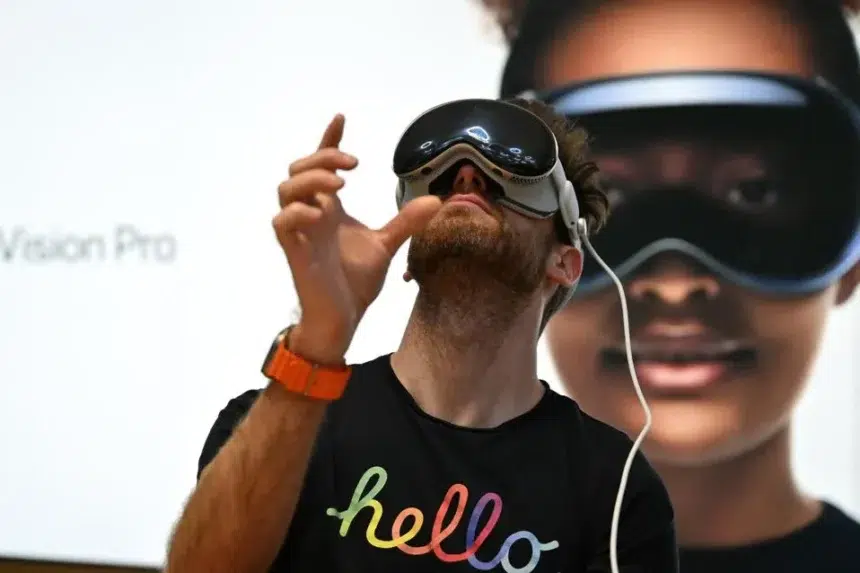

Apple has moved staff and engineering focus from a lighter Vision Pro design to a new smart glasses effort. Bloomberg first reported the change and said Apple is redirecting resources to get a simpler, audio-first pair of glasses to market sooner.
Why the change
Apple faces a crowded market for spatial computing. The Vision Pro remains a high-end product that demands heavy hardware and long development cycles. Smart glasses use fewer parts and rely on the iPhone for much of the heavy lifting. This makes them faster to develop and easier to sell at mass market prices. Bloomberg notes that Apple teams are now prioritizing the audio-first glasses over the lighter Vision Pro prototype that some had expected to appear in 2027.

What to expect
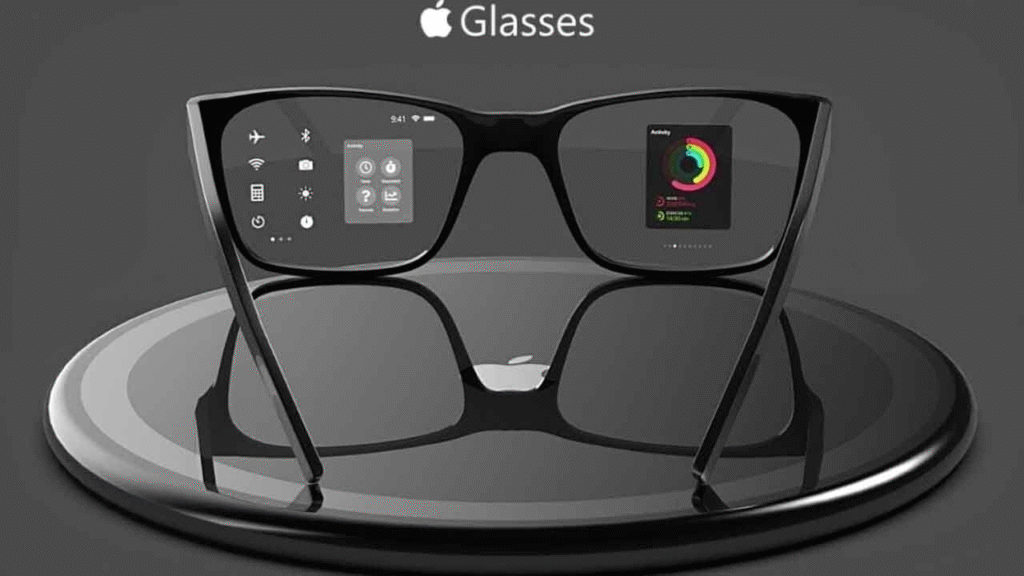
Reporters who covered the story say Apple is working on a product codenamed N50. The N50 will pair with an iPhone. It will not include a full display in its first generation. The glasses will focus on audio, voice control, and camera-based features. Road to VR and other outlets report that Apple may preview the N50 in 2026 and target a wider release in 2027.
Why this matters
A launch of simpler smart glasses would give Apple a new product that fits its existing ecosystem. The glasses could hand off heavy graphics work to the iPhone and use the same account and privacy frameworks many users trust. That approach could let Apple scale faster than with a full head-worn display. It also allows Apple to compete in the market that Meta and eyewear partners are already exploring.
What this does to Vision Pro
Shifting engineers and design work away from a lighter Vision Pro may delay that model. Apple still appears to see full spatial audio and visual computing as a long-term goal. The company will likely return engineering effort to Vision Pro development once Apple judges smart glasses to be established and the team can split attention. Bloomberg framed the move as a strategic choice to bring a simpler product to more customers sooner.
Timing and road map
Insiders who spoke to reporters suggest Apple could show early previews of the N50 as soon as next year. A mass market shipment could follow in 2027. A successor device that adds displays could come later. The pathway echoes how other companies first released simpler, low-cost devices before attempting full augmented reality displays.
What consumers can expect
Early Apple smart glasses will likely focus on hands-free voice tasks and quick camera capture. They should be tightly integrated with iPhone features like notifications and audio. They may not replace the Vision Pro experience, but they could bring Apple into a new wearable category that many users find easier to adopt than a full headset.