

Apple is seeing stronger-than-expected demand for the iPhone 17. The company has told suppliers to raise output for the standard iPhone 17 after preorders exceeded forecasts. That move signals a shift from the usual pattern where Pro models drive the first weeks of sales.
Why demand rose
China played a large role in the early surge. The base iPhone 17 is priced at 5,999 yuan in China. That price sits just under a government subsidy cap of 6,000 yuan. The subsidy covers a share of electronics in the price band. That local support has made the iPhone 17 a better value for many buyers.
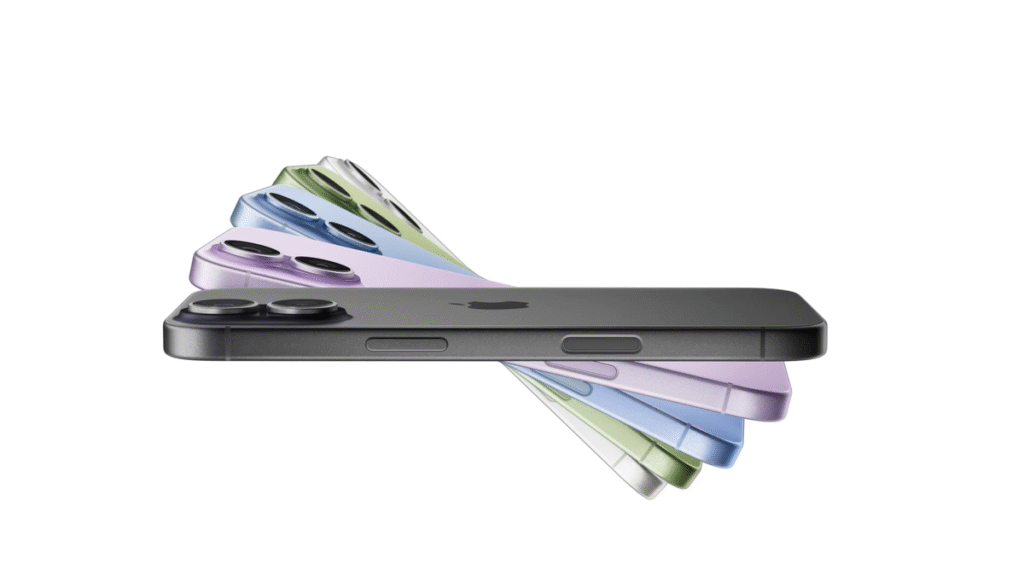
Apple also kept important upgrades in the standard model. The iPhone 17 includes a faster chip, improved camera parts, and a better display. Those changes narrow the gap between the standard model and the Pro models. For users who do not want to pay more than $1,000, the standard model now offers strong value. Market trackers note that buyers are choosing the model that fits price and features.
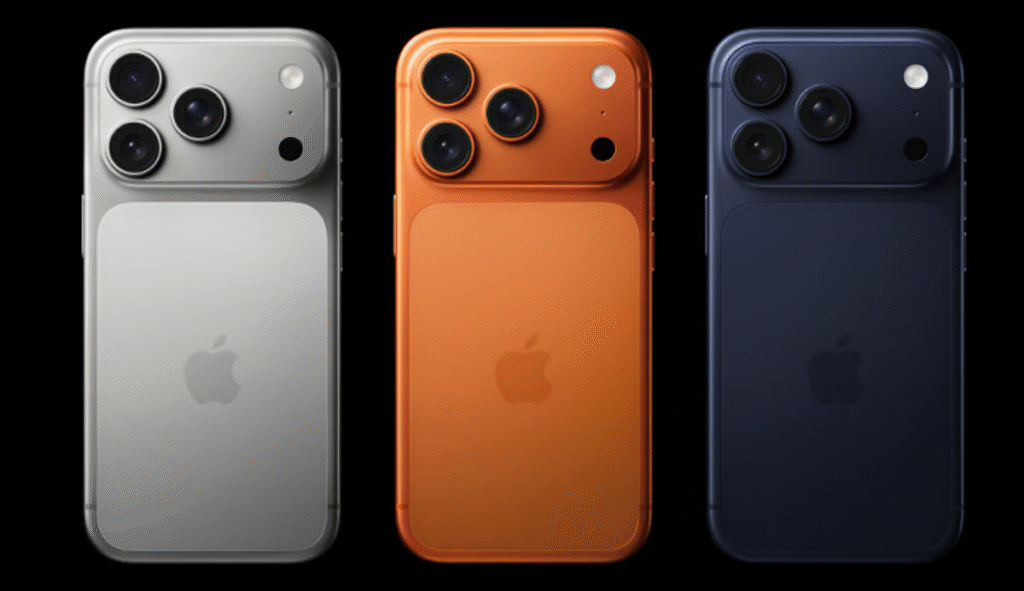
Many buyers still sought the Pro models. The iPhone 17 Pro variants went into long backorder shortly after preorders began. That shows that demand remains strong across the lineup. However, the large number of early orders for the base model surprised Apple and its partners.
Supply response now
Apple asked two suppliers to raise output. One of the firms named in reports was Luxshare. The company was asked to increase daily production by about forty percent for the iPhone 17. Apple updates forecasts weekly, and it moves supply orders to match demand. That fast shift can strain smaller suppliers that must add staff and tools quickly.
Suppliers face a common risk. Apple has increased and cut orders in the past. Such swings can leave partners holding extra capacity or inventory. Analysts say the real test will be whether demand holds after the initial launch wave and after retailers fulfill preorders. If demand cools, Apple may revise orders again.