
Apple has added a new accessibility option in iOS 26 that lets iPhone 17 users reduce OLED screen flicker. The setting is called Display Pulse Smoothing. It gives users a way to disable pulse width modulation and to use an alternate dimming method at low brightness. This is the first built in iPhone toggle for PWM.
How it works
Pulse width modulation is a common method to dim OLED panels. The screen is turned on and off very fast to reach the chosen brightness. Some people perceive that as a subtle flicker. That flicker can cause eye strain or headaches for sensitive users according to research and tech reporting. Turning PWM off makes the screen use a different dimming approach that can feel steadier to some people.
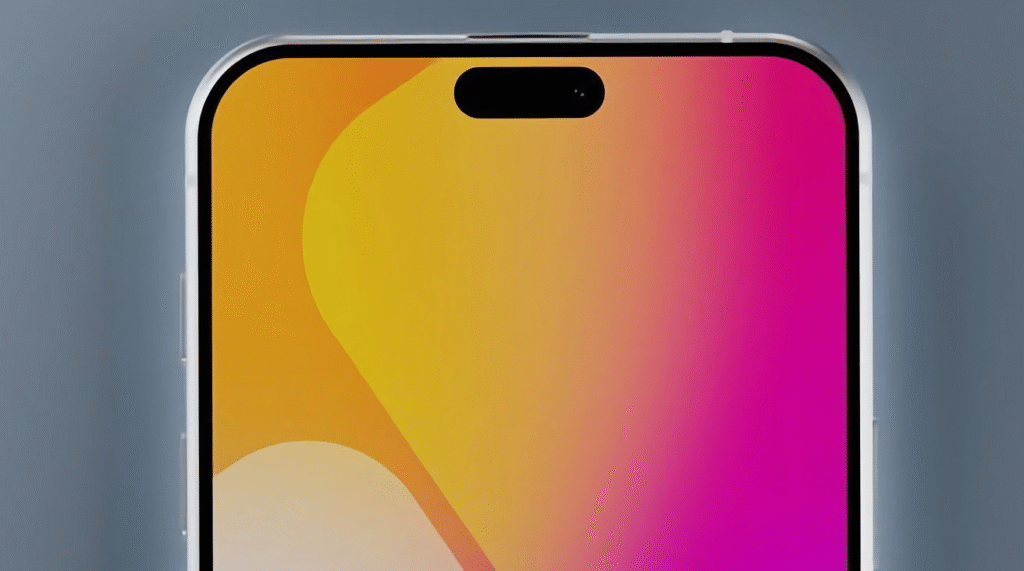
When Display Pulse Smoothing is turned on the iPhone will stop using PWM at low brightness. Apple warns that disabling PWM may change how the display performs in low light. Users could see differences in color or in how dim the screen can get. That trade off is why the option appears inside the Accessibility settings so users can choose what works for them.
Should you enable
In case screens, your eyes are tired, test the new environment and spend several days on it. Test the cell phone in bright and in dark rooms. In case you experience less headache or flicker discomfort, then maintain the set-up. Should you happen to notice a dimming of limits and color change, switch it off and revert to the normal display mode. The choice is personal. Apple left the control in the place where it can be modified.
Display Pulse Smoothing was included in iOS 26 release candidate. The setting is found in Display and Text Size under iPhone 17 models in the Accessibility. It is reported that the toggle will come out in the iPhone 17 family. The option is available in updates to your device to iOS 26 release candidate or iOS 26 build that is publicly available.
What to look at is the change in app behavior when brightness is low and whether the battery life can change in strange manners. Apple observes that the performance of low brightness may be affected when PWM is turned off. When you use very low brightness when using the night set it before you have long late-night sessions.
The resulting change places an effective control into the hands of people. It does not eliminate the technical requirement of PWM in numerous panels. It does provide people with a convenient option of trying a less wiggly dimming mode. In case you experienced issues with flicker you can also give the option a try and tell your friends and accessibility organizations about your experience.