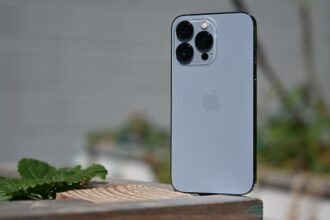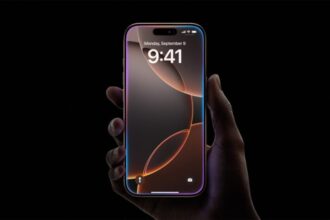

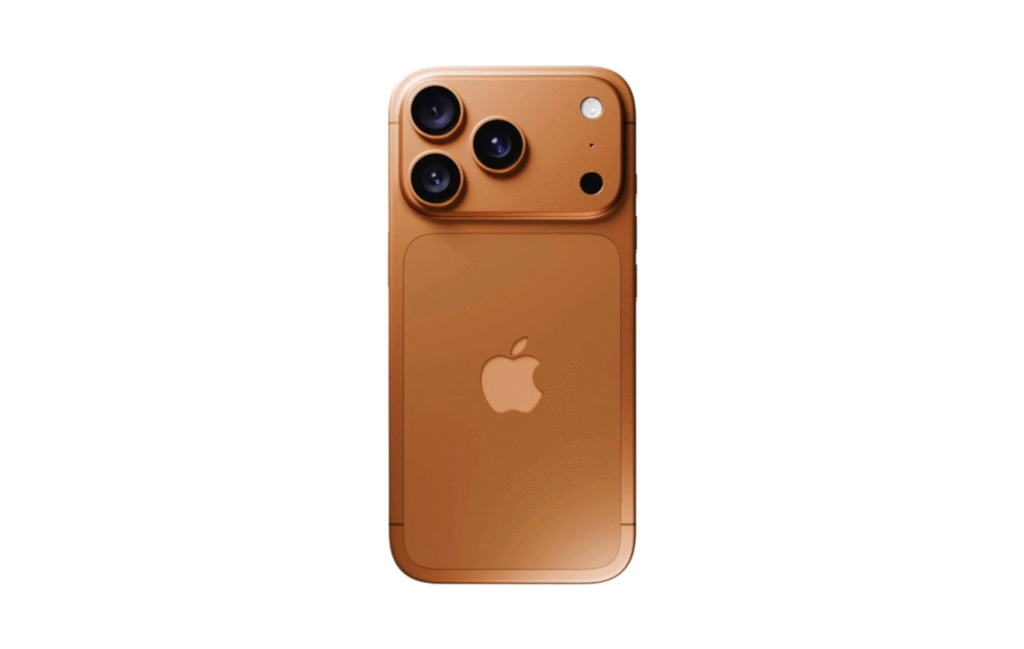
Apple introduced the iPhone 17 Pro as a device built for creators and storytellers. The phone puts camera power first. The hardware and software work together to let a phone do what only dedicated vlog cameras used to do. That will change how many creators shoot video every day.
The sensor and lenses
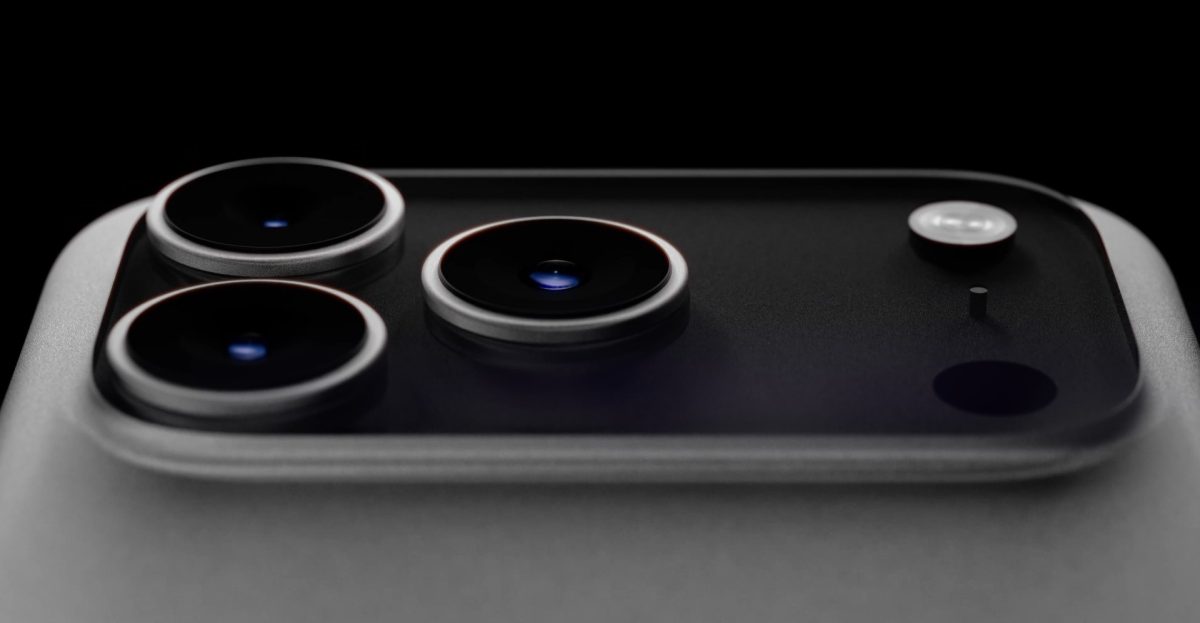
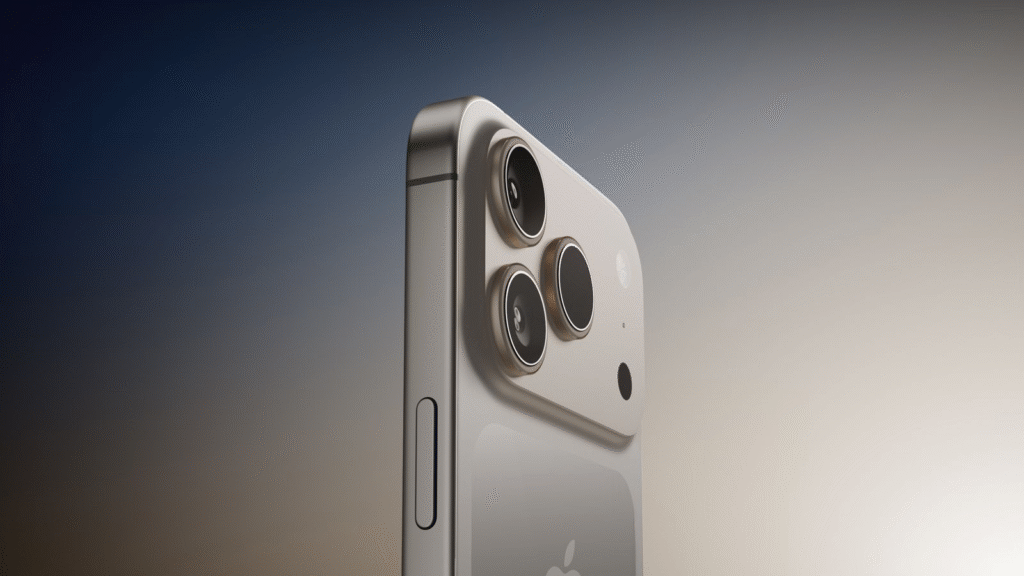
Apple increased the main sensor size by more than half compared with the prior model. That matters in low light and in depth of field control. The main camera and the ultrawide and telephoto are now all 48 MP fusion cameras. The telephoto can reach true optical quality at multiple zoom steps. The selfie camera also moves to 18 MP. Higher resolution on all cameras means more framing options and sharper stills.
Video features that matter
iPhone 17 Pro captures 4K video at 120 FPS in Dolby Vision. It also captures ultra stable 4K 60 frames per second. The phone supports dual recording from front and back cameras at once. Center Stage works with the front camera so the frame follows the subject. Apple added ProRes Raw capture for smaller file sizes and easier color work. The phone also supports Genlock so multiple cameras can sync in a studio or live setup. These changes bring mobile capture into the same workflow used by pro rigs.
Bigger Sensor Benefits
A larger sensor changes image quality in clear ways. Low light shots will have less noise. The camera can deliver smoother background blur without adding fake effects. Open gate recording uses the full sensor area to give editors room to reframe and stabilize. That means creators can crop or switch aspect ratios after filming while keeping quality. For vlogging this removes the pressure to nail the frame in a single take.
Final Cut Camera 2.0 and workflow
Apple released Final Cut Camera 2.0 to match the new hardware. The app records in ProRes Raw and supports open gate capture. Editors can import files into Final Cut and use familiar tools. Apple made an API for Genlock so developers can build custom sync solutions. That will help creators who run multicam shoots or who connect the iPhone to other pro cameras and switchers.
Why this matters
Many creators now carry a phone and a camera. The new iPhone 17 Pro may replace the second device for many users. The phone is lighter than many compact cameras. It offers advanced capture modes plus tools for editing and syncing. Creators who make daily vlogs or run solo productions can now record, edit and post from one device.
Practical limits and fixes
The iPhone cannot solve every pro need. Zoom range still favors lenses on larger cameras for extreme telephoto work. Battery life can be a concern on long shoots. Audio capture from the built in microphones will not match a dedicated external mic. Stability can improve with gimbals. For longer sessions creators should use external power and an external microphone. For studio work a capture rig and dedicated audio remain useful. That said the iPhone reduces many common pain points.
Advice for creators
Plan shots around the strengths of the phone. Use open gate capture when you want framing flexibility. Record in ProRes Raw when you need color control in post. Include an external microphone to make the voices clear. Take a small gimbal or a tripod to obtain steady results. Test Genlock setups before a live shoot. Keep extra storage handy for large files.
Business and community impact
Lower cost and easier workflows will let more people make high quality content. Small creators can produce faster and with less gear. Brands and publishers may shift budgets toward mobile production. Camera makers will still serve photographers and high end video pros. The iPhone 17 Pro will nudge the market and change how many creators choose gear.