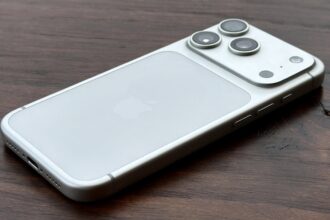
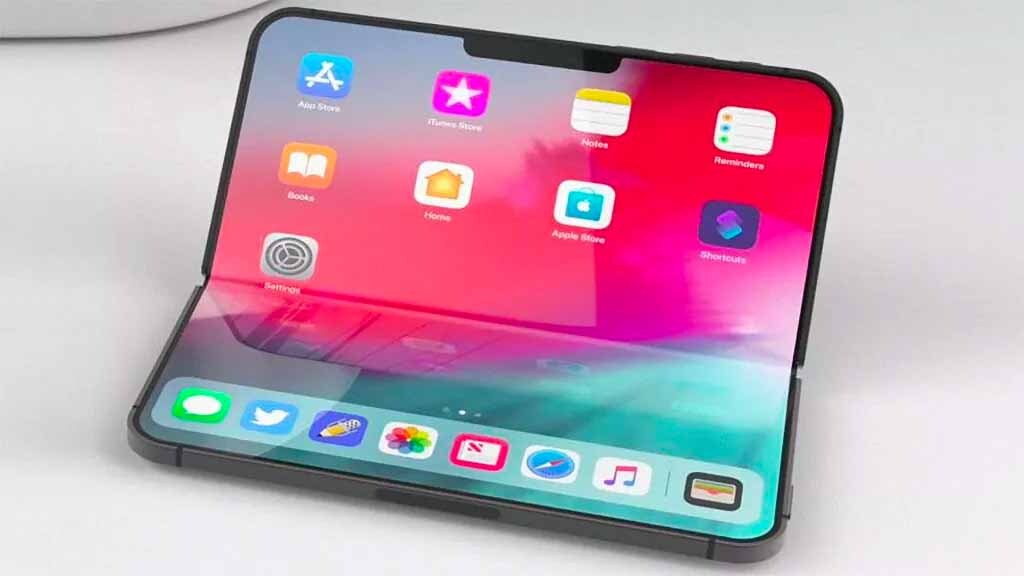

Analyst Ming Chi Kuo has pushed back on reports that the forthcoming iPhone Fold will include a fingerprint sensor under the display. He says the phone will use Touch ID built into the side power button. This restates Kuo earlier notes about the likely authentication plan for Apple first foldable device.
Kuo also explains why under-display sensors are unlikely in this device. He points to space and manufacturing trade-offs created by the requirement to make the Fold thin. Those space limits also make Face ID harder to include in the first generation. Kuo does not rule out Face ID forever. He says the present constraints favor side button Touch ID for now.

Design and timing
Kuo repeats earlier estimates that final design work will be completed by the end of the second quarter of 2025 and that mass production is planned for the second half of 2026. He lists expected folded thickness near nine to nine point five millimeters and an open thickness of around four point five to four point eight millimeters. Those dimensions help explain why space for Face ID or an under-display sensor is tight.
Mass market outlook
Kuo provides shipment projections for the Fold. He forecasts three million to five million units in the first full year and a rise to as many as twenty million units by 2027, when a second generation may ship. The early volumes reflect cautious ramping as Apple organizes supply chains for new folding displays and hinges. Other analysts offer similar timing but vary on volume and price estimates.
Why side button Touch ID
Side button Touch ID is a proven solution for thin devices. Apple already uses it on some iPad models, and designers understand how to integrate a sensor into a small power key. The side button approach reduces pressure on internal space and on the camera and sensor stacks. It also simplifies mass production compared with embedding sensors under a foldable display.
What remains uncertain
Some supply chain rumors disagree and suggest under-display fingerprint solutions could appear from component suppliers. Patents and lab tests show Apple has explored both under-display Touch ID and under-display Face ID. The key questions are cost, yield, and whether the sensor can be made reliable inside a folding screen. Until Apple confirms a final spec, any report should be treated as provisional.
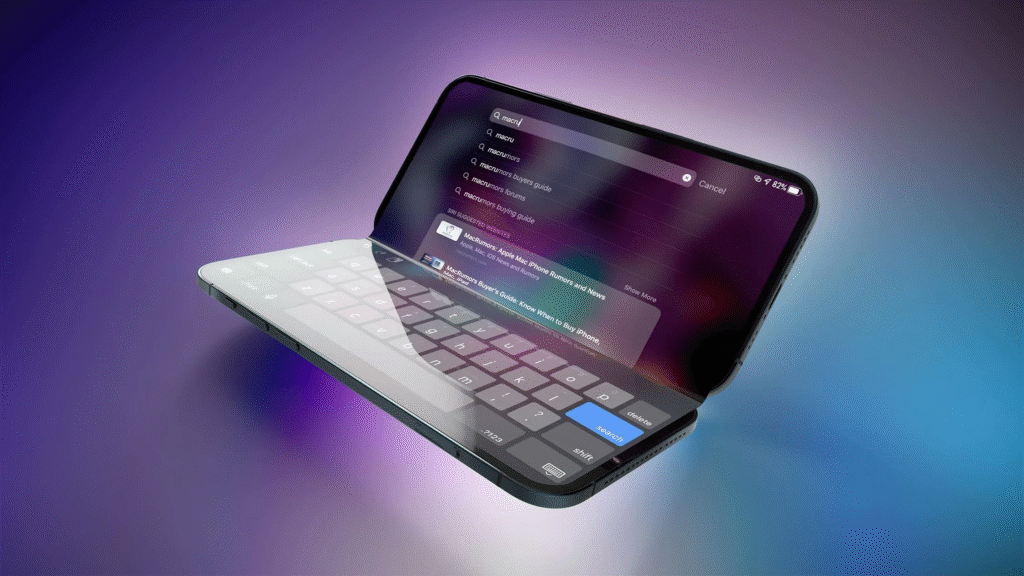
Ming Chi Kuo has restated a clear position. He expects side button Touch ID for the first iPhone Fold rather than a fingerprint sensor under the display. The reasons are practical and relate to space manufacturing and cost. The next steps are Apple confirmation and early reviews that show how well the chosen approach works in daily life. Keep an eye on supply chain reports for any last-minute changes and on Apple for the official specifications.