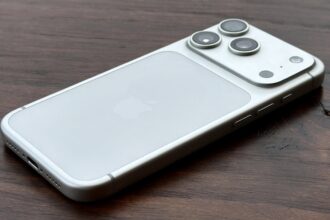

Apple may introduce notable iPhone designs across the next three years. The plan, as reported, calls for an ultra-thin iPhone Air in 2025, a foldable iPhone in 2026, and a 20th anniversary iPhone in 2027. These reports come from Bloomberg and have been reflected in other technology outlets.
iPhone 17 Air in 2025
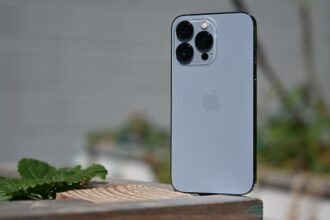
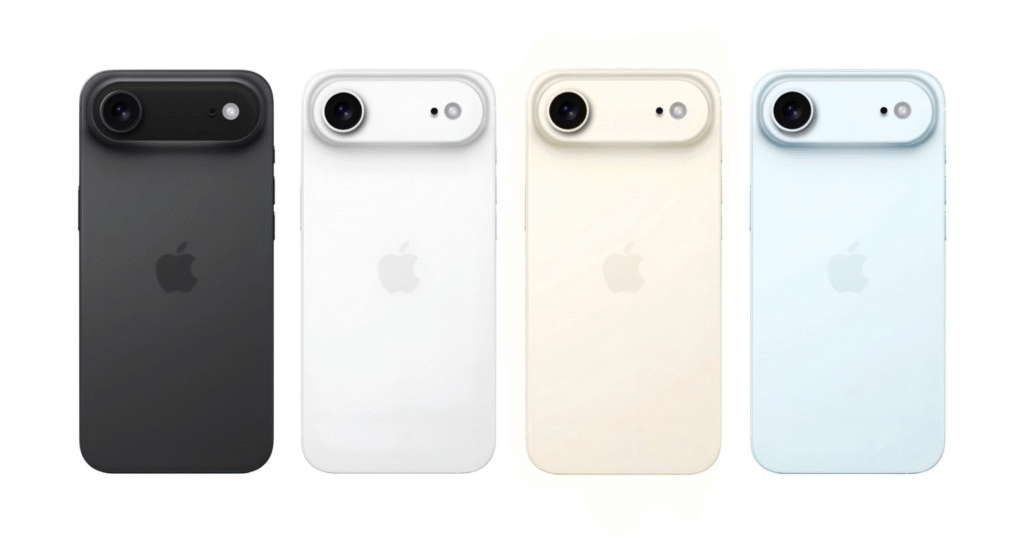
The iPhone 17 Air is said to lean into a new camera bar and an ultra-thin body. The thin frame aims to make the phone lighter. That compact shape will likely reduce battery capacity. Reports say Apple may fit the Air with its own C1 modem in some models and with the A19 chip in standard variants. The Air may also use a shifted USB-C port layout to fit the slim chassis. These are current rumors and not confirmed by Apple.
Foldable iPhone in 2026
Apple may ship a book-style foldable phone in 2026 that opens into a larger inner display and keeps an outer display when closed. The device is said to include multiple cameras and a return of Touch ID to make unlocking work in any orientation. Engineers will need to solve hinge durability and screen crease issues before a consumer launch. Bloomberg first described Apple’s work on a multi-year plan that includes a foldable model next year.
20th anniversary iPhone in 2027
A 20th anniversary iPhone is planned for 2027, according to the reports. Early details suggest a new curved Liquid Glass look that changes how the edges meet the screen. The anniversary model may be Apple way to show a more distinct design after years of flat edges. All details remain speculative until Apple makes an official announcement.
Trade-offs and what buyers should know
Very thin phones can look fresh, but they usually hold smaller batteries. If battery life matters, pick a model that keeps internal volume for a larger battery. Foldable devices add screen area, but buyers should wait for third-party durability and crease tests. Anniversary models often carry premium prices and new materials, so wait for real-world reviews before buying a first-generation design.
How software and Apple Intelligence fit
These hardware shifts will pair with iOS and with Apple Intelligence features. New shapes will require updated interface layouts and controls. Apple will tune software to use the new screens and sensors. That work may affect when features arrive and how useful they feel on day one.