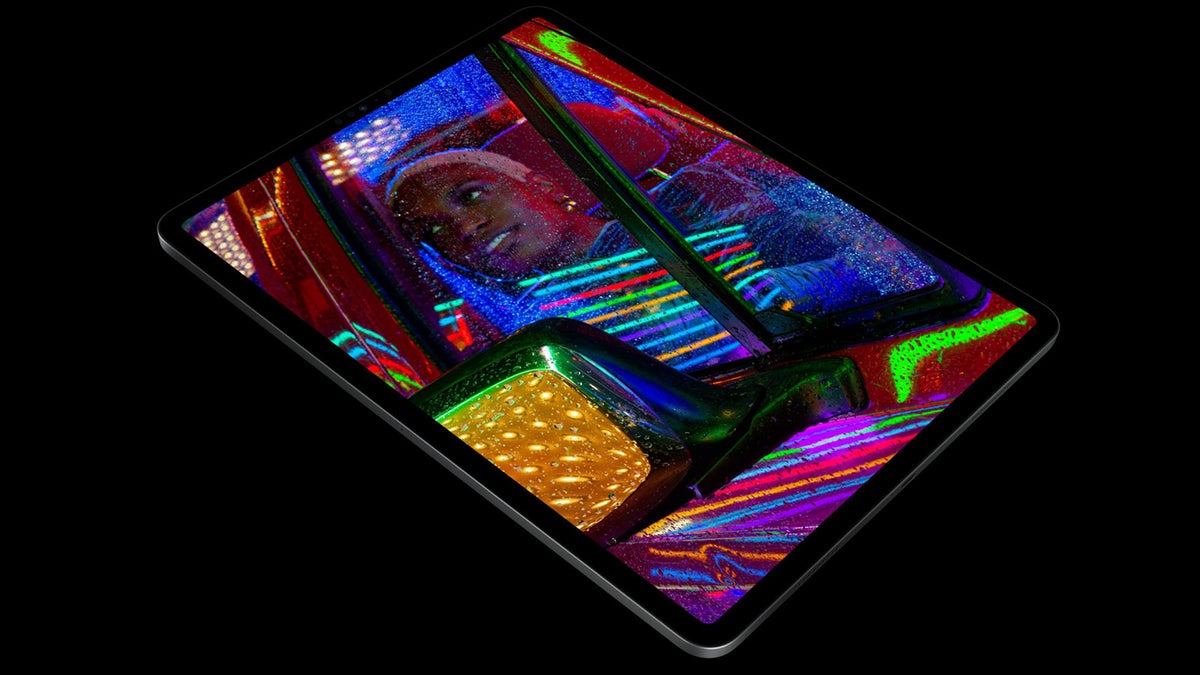

Apple is considering the implementation of Tandem OLED panels, which made an appearance with the iPad Pro 2024, into future iPhones. The aim is to produce increased brightness without compromising on the quality of the display, even as they extend battery life.
What Is Tandem OLED Technology
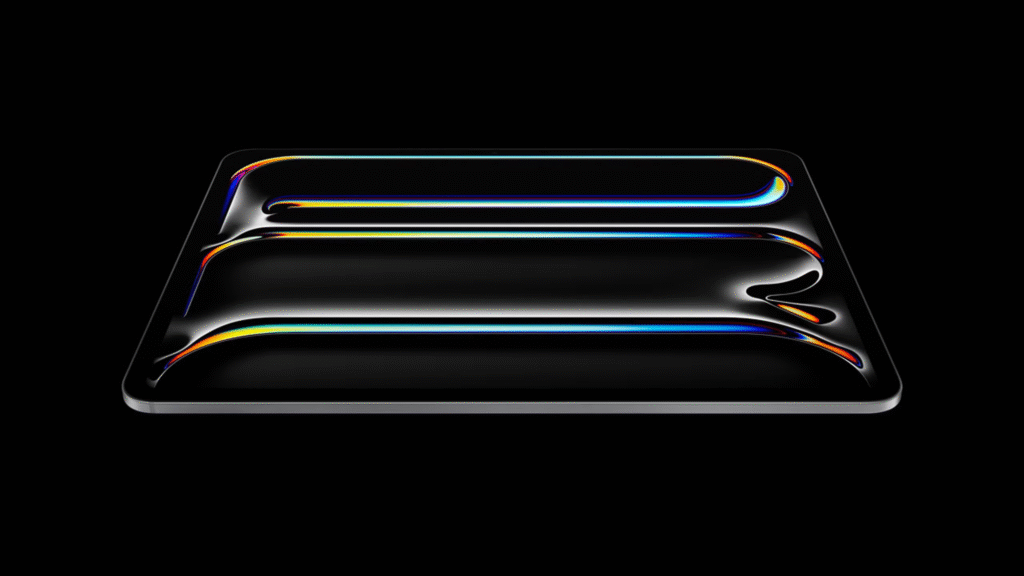
Tandem OLED refers to a twofold organic light‐emitting layer compared to one. In this design, the peak brightness is increased by sharing the electrical hardship between both panels. Meanwhile, it also decreases power consumption during the display usage of normal content. Apple has used this on its OLED iPad Pro to provide 3D resplendent HDR video without exhausting the battery at a rapid rate.
Talks with LG Display and Samsung
Sources from industry publication The Elec report that Apple met with both LG Display and Samsung Display in 2024. LG pitched a Simplified Tandem OLED variant that uses fewer layers but retains brightness gains. Samsung, Apple’s longtime OLED partner, is also in discussions. Apple has not yet committed to production. It needs both suppliers to scale the panel cost‐effectively before adopting them for the iPhone line.
Benefits for Future iPhones
The better screen brightness gives outdoor readability in full sunlight. Using Tandem OLED, next-generation iPhones would be able to achieve higher nits at their peak and maintain steady or one step below average power consumption. This would increase battery life when battery-demanding tasks such as playing a video or even a game are being performed. Colors would be deeper and blacks richer, but the conference length would not have to be sacrificed.
Production and Cost Considerations
The Simplified Tandem design from LG promises easier manufacturing compared to full Tandem stacks. Fewer organic layers mean fewer deposition steps. This could help Apple avoid steep cost increases per display. Samsung’s equivalent micro OLED work for Apple Vision Pro may also inform its smartphone panels. The two suppliers must balance yield, cost, and performance before Apple greenlights mass production.
Apple has previously evaluated Tandem OLED for microdisplays in its Vision Pro headset. That effort signals a broader push to apply the technology across its product line. As OLED yields improve, Apple may adopt Tandem panels for both Macs and iPads beyond the Pro line.
What Comes Next
Apple will make a determination about Tandem OLED shipping in the 2026 iPhone series in late 2025 or early 2026, according to theelec. The selection will also reflect on user comments owing to what they experience with the brightness of the phone and the battery. As long as Apple manages to secure strong supplies of panels with LG and Samsung, Tandem OLED has the chance to become a major selling point at its next iPhone announcement.