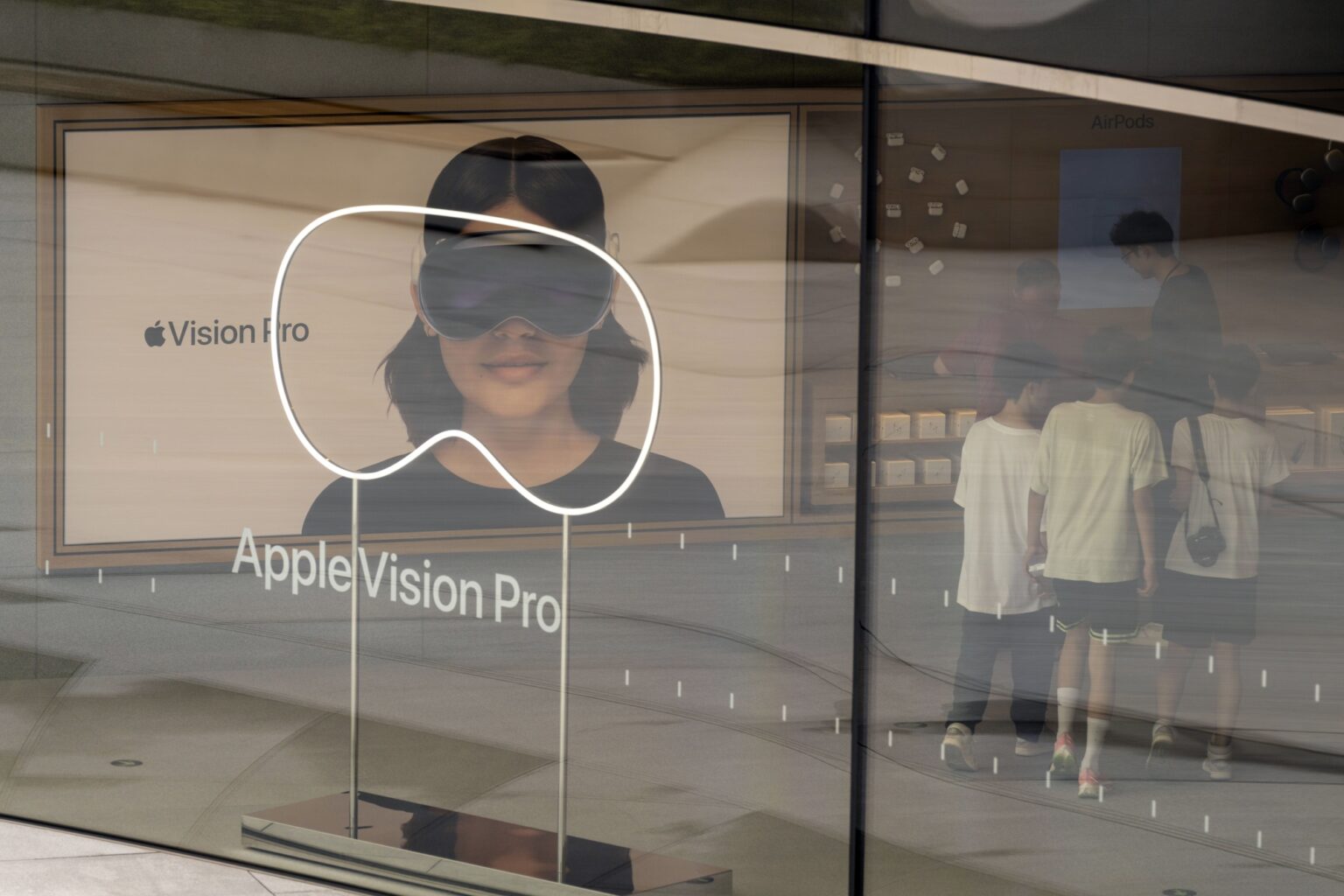

The company is scrambling to create an alternative type of wearable. It is reported that it might start being produced in late 2026 and in 2027 it might have a public launch. The internal code in the device is N50. The plan is for a premium product that works closely with the phone and with Apple Intelligence.
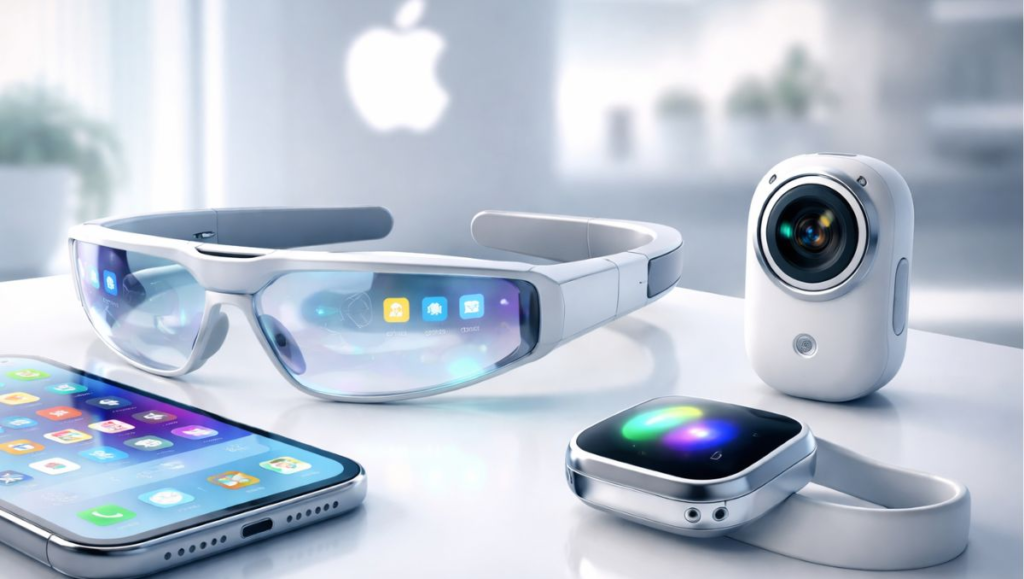
The design does not put a display on the face. The company is betting that audio and cameras can do a lot of useful work without a screen. The device will include speakers microphones and two camera systems. One camera will take higher resolution photos and video. The second camera will be tuned for computer vision and depth sensing. The goal is real time context awareness. The device would know what a user is looking at and offer help.
Timeline and Targets
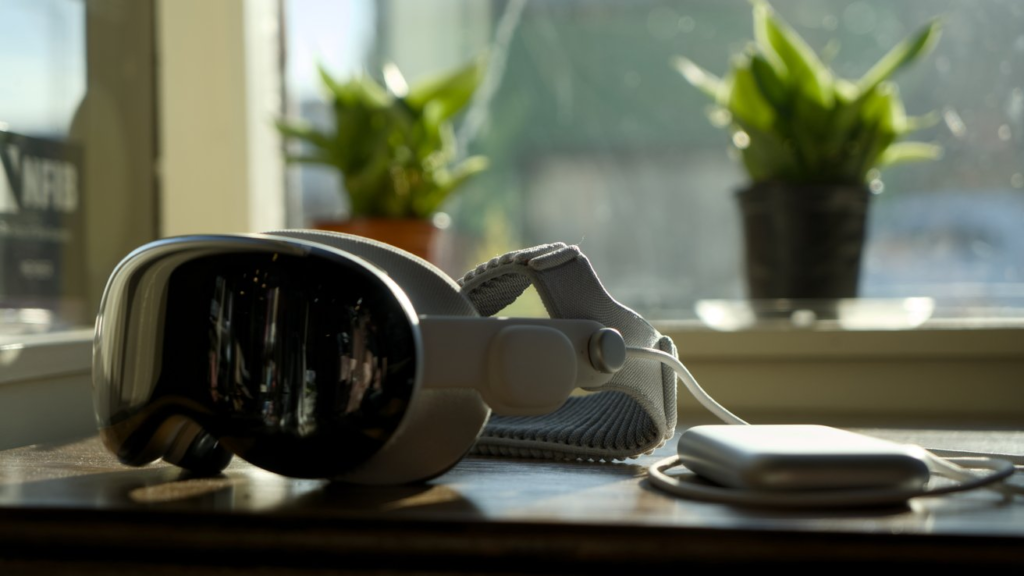
Engineers are testing many prototypes. Early versions used a cable and a battery pack that clipped on to a phone. Later units moved most components into the frame. The company has since thought of producing frames in different sizes and using better materials. Timing Production shall be introduced in December 2026 to support a 2027 introduction. This is not necessarily the final schedule since in the process of testing, the schedule may be changed.
Battery life and comfort matter for an all day wearable. The company must balance power for on device vision and long hours of use. The plan is to pair the glasses to the phone for heavy tasks and to let the glasses run lighter workloads on their own. On device processing will be key for features that must protect privacy and work offline.
Design and Hardware
The frame will include two sets of cameras and a set of microphones. One camera will capture detailed images. The other camera will focus on measuring distance and on recognizing objects. The microphones will enable voice control and calls. The speakers will give clear audio without blocking ambient sound. The company will also include sensors for head position and motion.
Siri will be a main interface. The firm wants a voice first interaction model. The glasses will prompt the phone and local models for context. They will let users take photos record short clips and get live help. Examples include reading printed text converting it to digital notes and getting step by step help based on what is in view.
Use Cases and Privacy
Users could use the glasses to ask for directions based on real world landmarks rather than on map names. The device could identify a product on a shelf and surface reviews. It could scan a menu and suggest choices based on dietary notes. The focus on context means the device will act as a companion that adds information rather than as a wearable screen.
Privacy will be a major public topic. The device will have cameras aimed outward and that will raise questions about consent and data handling. The company will need clear controls to show when recording is active and to let people disable features. On device processing and strong local data rules will help address some concerns. Apps and developers may need to follow stricter rules for camera access and for how visual data is stored and shared.
Wearable Tech with Subtle Design
Expect a premium price and a focus on everyday utility. The glasses will not replace an AR headset. They will aim to be comfortable and subtle. The shape will be appealing to buyers who enjoy using small gadgets that are compatible with their phones. There will be AR headsets used by creative professionals who require the use of head mounted screens to perform immersive work.
The company has a history of moving carefully with new product categories. According to Bloomberg, the work on this wearable builds on lessons from the Vision Pro and from ongoing audio products. Price comfort and the ability of the product to balance privacy and social norms will be the way to the wide adoption.