
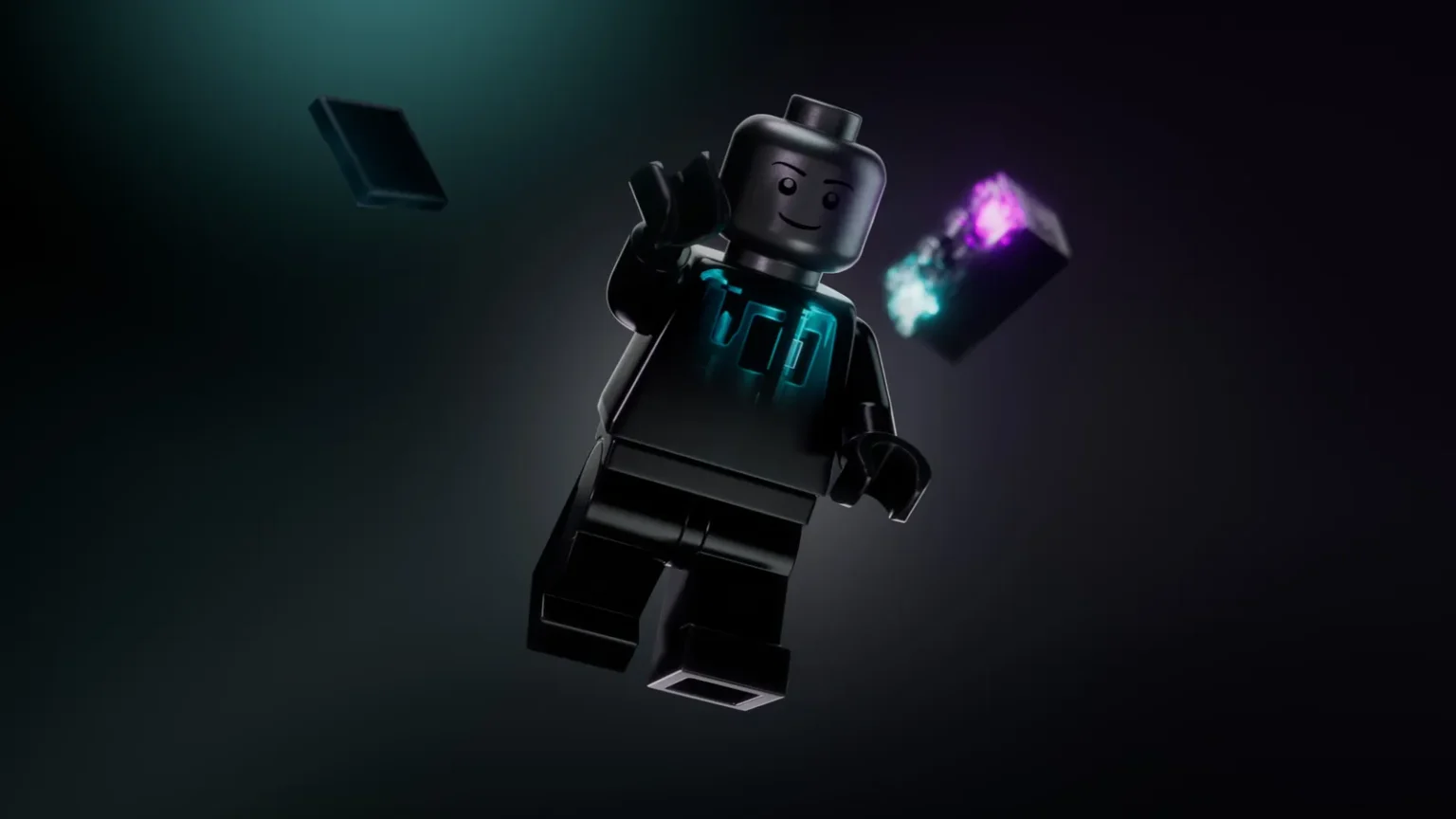

Lego unveiled the Smart Play system at CES 2026. The new kit adds sound light and motion to classic bricks and minifigures. The goal is simple. The play remains hands on and screen free.
How Smart Play Works
Smart Bricks include a tiny chip that senses nearby tags. The tags are small tiles with unique digital ids. When a tag is placed near a Smart Brick the brick changes how it acts. A helicopter tag makes the brick add propeller sounds and a light pattern. A minifigure can react to a tag and perform a short motion. The bricks use a new protocol called BrickNet to talk to each other. Lego says the system uses encryption and privacy controls.
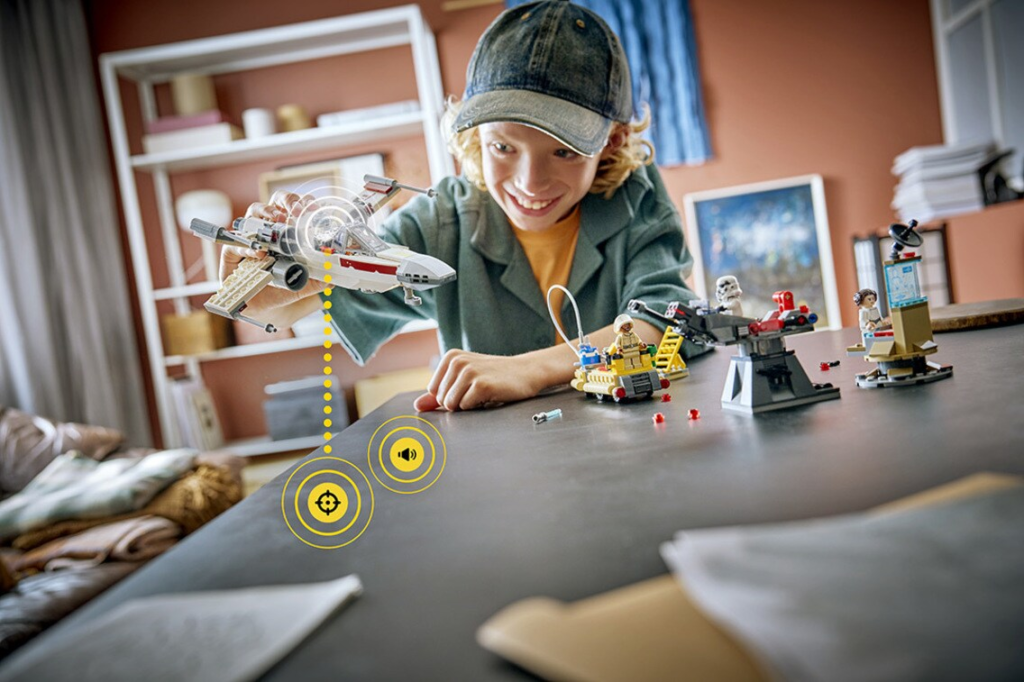
Smart Bricks use a small speaker an accelerometer and an LED array. Tags work as triggers and content markers. The system also supports multiple bricks working together. That allows a set to feel like a single toy that acts in parts.
No Screens Required
Lego designed Smart Play to work without a phone or a tablet. The experience is meant to be direct and simple. There is no app to set up. Children can start to play as soon as a set is built. The system still uses wireless links like bluetooth for some features. A home hub may enable remote control and network features. The key idea is to keep the play loop physical.
The lack of a screen is a clear selling point for parents who want less device time. Lego also positions the system as safe for younger players because it focuses on local interactions.
Launch Date and Pricing
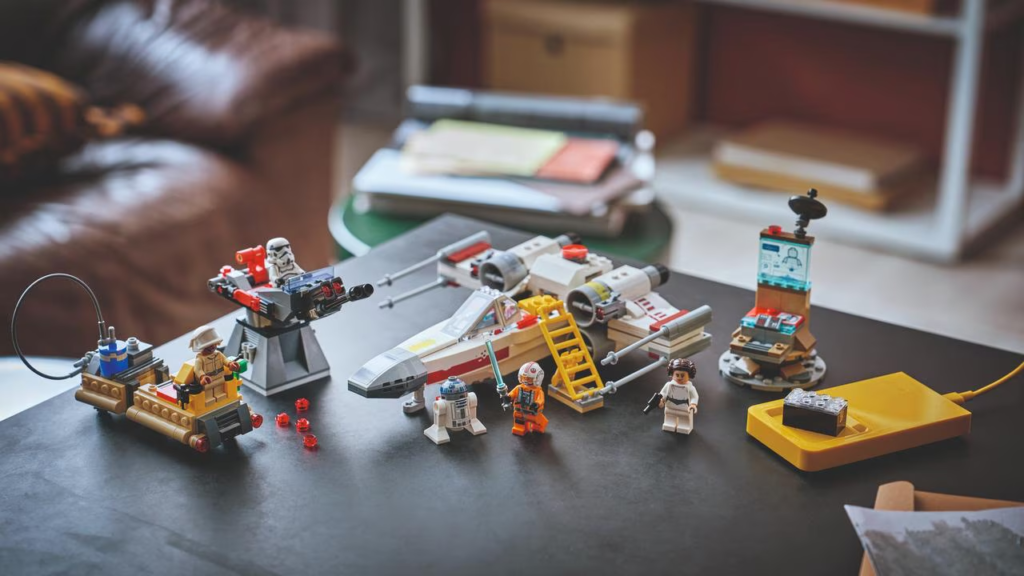
Lego plans two Star Wars sets for the first wave. The smaller X wing set will cost $69.99. The larger Throne Room Duel and A wing set will cost one hundred $59.99. Preorders open on Friday and the sets will ship on March first.
Lego will expand Smart Play to other sets over time. The company also said it will sell Smart Bricks and tags as parts that builders can use in their own models. The rollout will let Lego test how kids and families use the new pieces.
Beyond Screens
Lego is not alone in blending digital features with physical play. The company will need to show that the system adds value to classic building. The test will be how kids use the pieces over weeks and months. Strong early sales at launch will be one sign. Sustained play and new kit design will be the real test.
The Smart Play system is a step in a long product road map. Lego is betting that more parents will choose toys that do not rely on screens. The company will watch real world play and iterate on the tech in the months ahead.