
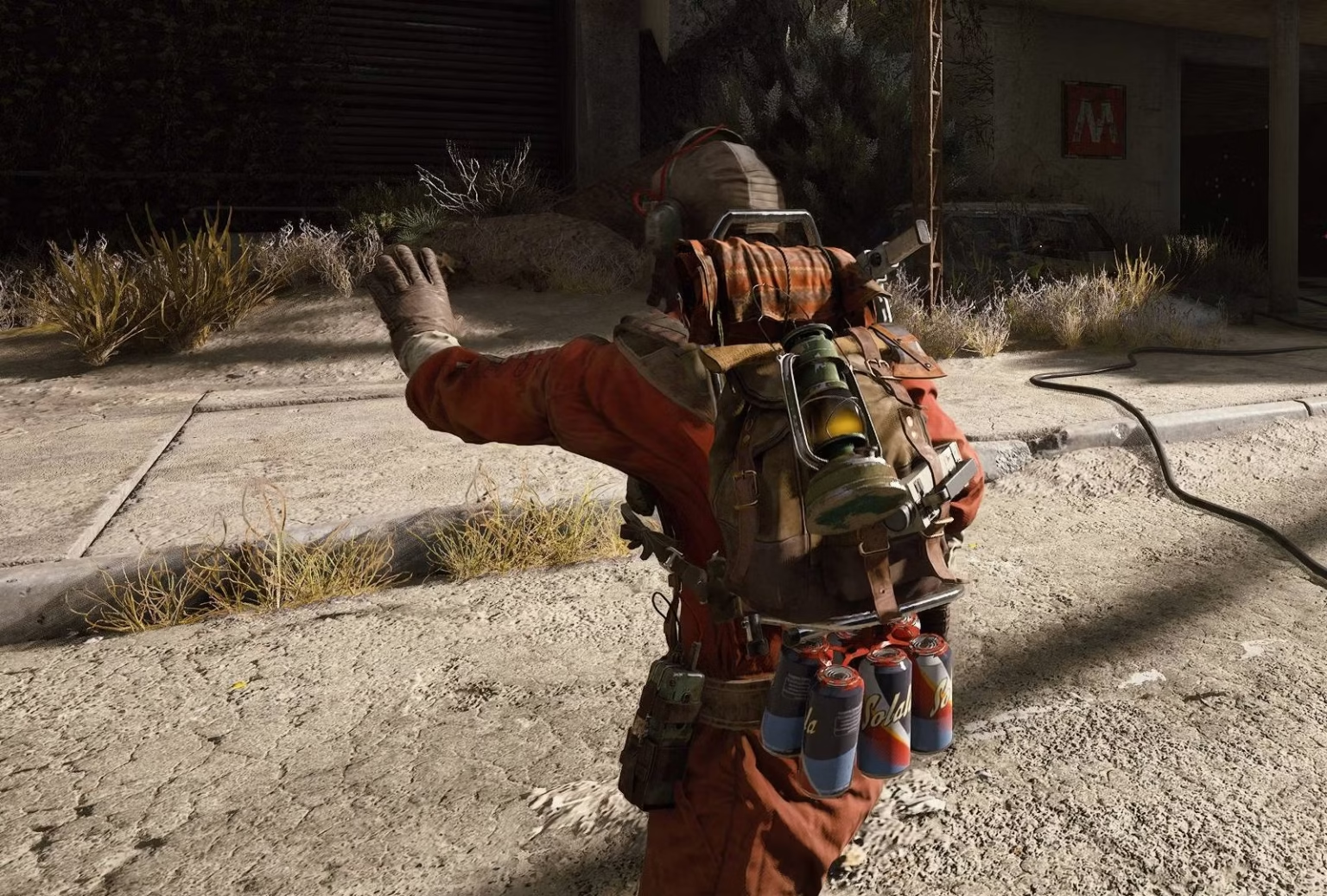

Arc Raiders launched to very large audiences across PC and consoles. Steam records show the game reached hundreds of thousands of players at once and hit a peak above four hundred thousand concurrent players on Steam alone.
Independent trackers and media outlets report that Arc Raiders kept daily peaks above three hundred thousand players on Steam, and that cross-platform concurrent totals likely pushed the game even higher. These figures are not small. They place Arc Raiders among the most played launches of the year.
Sales data and analyst notes back up the scale of its launch. Reports list millions of copies sold and show steady revenue and high active user counts in the weeks after release. That public response is the context fans cite when they call the Game Awards choice a miss.
Why Critics Missed
The Game Awards released its nominations, and Arc Raiders did not make the Game of the Year shortlist. The game earned a nod for multiplayer, but it did not appear in the top prize list. That outcome sparked a swift reaction online from players and creators.
There are two clear framings in this debate. One side points to critics and jury priorities that favour narrative-driven single-player design. The other side points to player choice and scale as a measure of cultural impact. Both views matter. They just measure different things. Game award juries often weigh craft, direction, and single-player storytelling very highly. Community and commercial reach do not always carry the same weight in those deliberations.
Fans and streamers noted how Arc Raiders built momentum without a famous director or an existing franchise. The game grew fast by word of mouth and by steady daily play. That pattern made the snub feel worse for many players. Some high-profile voices outside the jury also criticized the omission and asked why a title with such a wide live reach could be left out of the main category.
Industry context matters here. Award panels and public player counts track value in different ways. The Game Awards prize often reflects a critic panel perspective. Player concurrent numbers reflect public interest and engagement. The split between these two measures is the core of the current argument.
How the Community Sees This
Many players view sustained large player counts as proof of cultural weight. For them, a game that keeps hundreds of thousands of players engaged every day has influence and impact. That influence can shape trends in streaming and community content in ways that single-player titles cannot. Recent launch numbers for Arc Raiders show streaming peaks in the hundreds of thousands and millions of total views on discovery platforms. Those metrics matter to publishers and creators alike.
What Critics Will Say
Critics and the jury will point to craftsmanship and the seven or eight items on their rubric. They will highlight design decisions, writing, direction, and single-player structure when those are strong. That is how the Game Awards panel has chosen winners in past years. That approach is consistent with how juried awards work in other creative fields. Still, the exclusion of a mass-played multiplayer title shines a light on how that process can feel out of step with a large part of the player base.
What This Means For The Future
This debate will not end with one nomination list. Developers, publishers, and award shows can now see the argument in public. One possible outcome is that awards and industry groups will refine how they measure impact in the coming years. Another possible result is a new public expectation that panel awards should better reflect what large audiences play.
The key takeaways are simple and factual. Arc Raiders launched and stayed large. The Game Awards nominated other games for Game of the Year. That contrast is the source of the outrage and the debate among players and critics.
If You Want to Follow the Data
Steam trackers and public charts are the fastest way to see live player counts and historical peaks. Media reports from specialist outlets document sales and peak concurrent players for high-profile launches. Those sources show why the community sees this as more than a minor omission. There will be more discussion as the awards ceremony approaches. Fans will keep pointing to the numbers. Critics will keep pointing to their criteria. Both conversations are valid. Both conversations will shape how the industry thinks about awards and audiences next year.