

Call of Duty Black Ops 7 arrived on November 14, 2025. The game was released with multiplayer, Zombies, and a new cooperative campaign. The campaign is the center of strong player criticism. Many players find the single-player experience short. Several reviewers and players report that a solo playthrough can take only four to five hours to finish. Players say the story shifts quickly between surreal scenes and plot elements that do not always connect. The result for many is confusion and frustration.
A central complaint is that the campaign requires an online connection to play. Players have said that the always-online requirement prevents pausing and complicates solo sessions. Some players report being kicked from missions for brief inactivity. That makes the campaign hard to play for people who need breaks or who have unstable connections. Many long-term fans expected a classic Black Ops narrative that could be played offline. Instead, they found something aimed at co-op and persistence systems. That mismatch is a core source of anger.
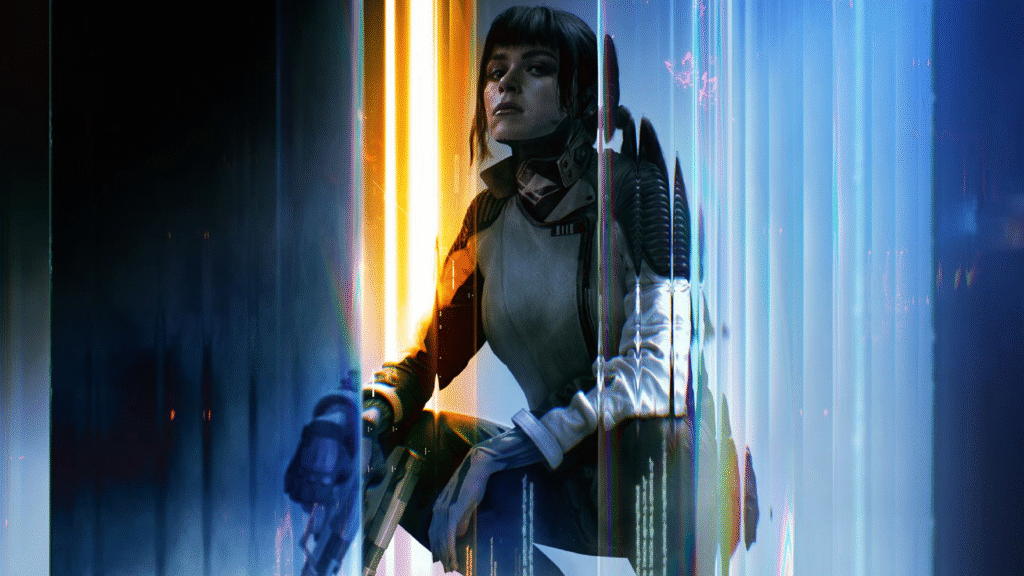
Players also complain that campaign pacing feels uneven. The story mixes hallucination sequences with large boss fights and loot mechanics. The mix divides players. Some find the new approach bold. Many others call it unfocused. Fans of the older Black Ops entries say the tone is different in ways that weaken character moments. The villain and some plot threads have been described as underwritten. Critics point to the conversion of narrative focus into a progression system that feeds the new endgame mode. After the credits, players are pushed to create profiles and move into Endgame. For many followers, this felt like a shift away from a standalone campaign.
Community reaction has been vocal. Social feeds are filled with short hot takes and lengthy threads. Some influential streamers and content creators gave the campaign low scores. Others praised the multiplayer and Zombies modes but urged the developer to fix single-player issues. The divide is wide and very public.
Multiplayer and Zombies
Multiplayer and Zombies are where most praise lands. Critics and gamers point to gun handling and polished maps. The movement system earned positive notes. Many players praised the return of classic maps and the balance in core modes. Zombie content was called rich by many fans. The new Zombies map and modes have been singled out as the best part of the launch for some players.
This split causes an unusual launch feeling. The multiplayer experience can draw high concurrent players and strong streaming viewership. The campaign backlash creates controversy that fuels debate and coverage. That debate keeps the game in the news and in community conversation. Some analysts point out that controversy can boost engagement even if some parts of the game disappoint.
Developers have said that the campaign leads into Endgame. Endgame is a post-campaign sandbox with extraction-style mechanics and persistent progression. That design choice explains why campaign progression ties into player level and gear. For players who enjoy long-term co-op play, the path is clear. For players who expect a classic solo campaign, the shift feels abrupt and unwanted.
What this means going forward
Treyarch and its partners will likely monitor feedback closely. Expect patches that address stability and matchmaking. The always-online design is a bigger issue. It may take larger fixes or clarifications on how solo play works. Developers often respond to launch criticism with hotfixes for stability and adjustments to progression. In this case, fans also want clearer single-player options. The studio will have a decision of quick repairs or more redesigning.
Call of Duty is among the strongest game franchises. Sales patterns often do not follow early criticism. Still, reputational hits around narrative design matter to the most vocal fans. The studio can repair the relationship by listening and by publishing clear updates. That approach helps keep the larger player base engaged while addressing the concerns of long-term supporters.