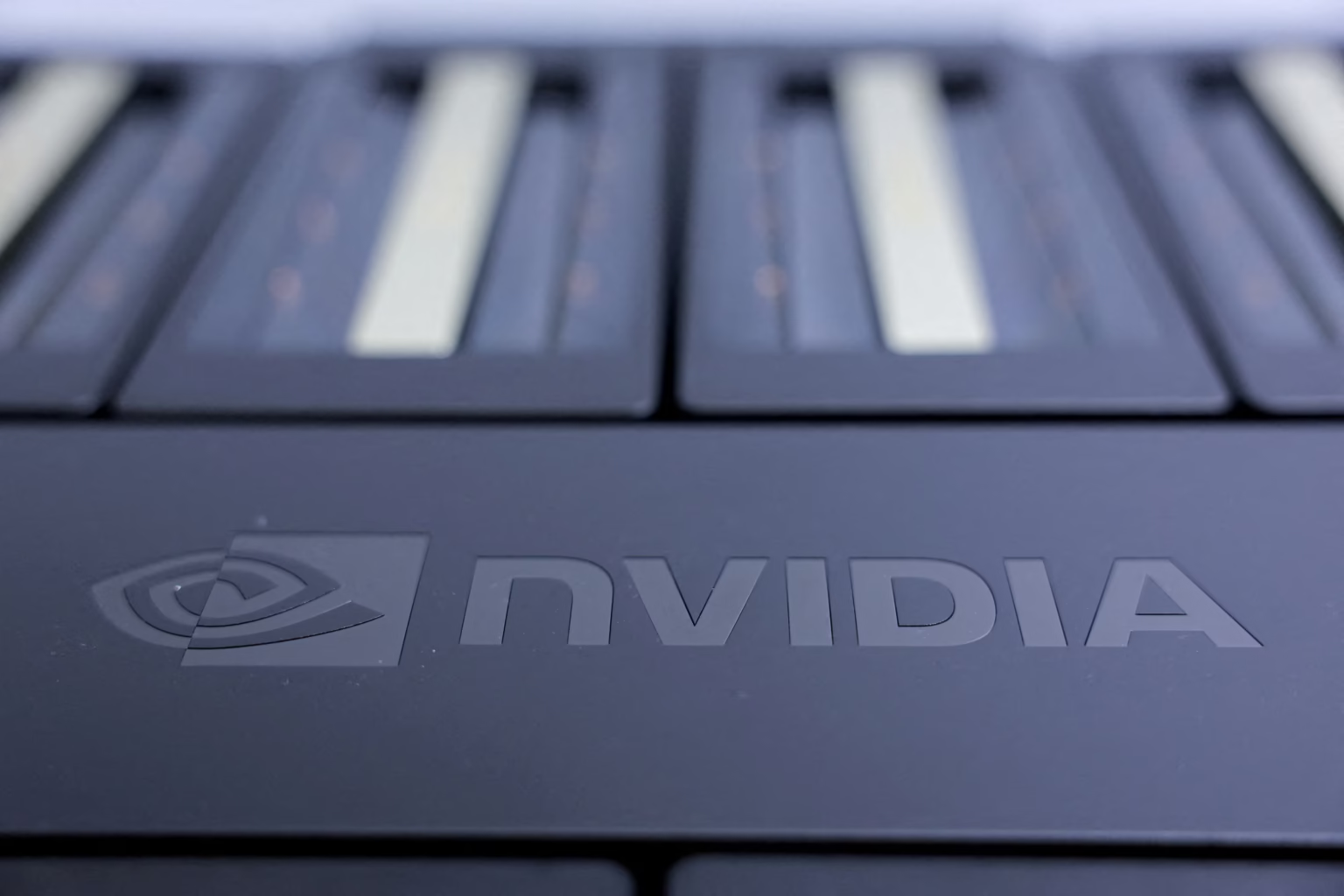

Nvidia this week announced an expanded set of partnerships and large GPU commitments for South Korea. The plan includes government-backed projects and deals with major companies. The goal is to power new national AI capacity and to speed up industrial use of AI across manufacturing, mobility, and cloud services.
Mass Nvidia GPU Orders
South Korea will receive more than 260,000 of Nvidia latest GPUs as part of the new push. About 50,000 GPUs will support public projects. The remaining GPUs will be allocated to large Korean companies to build out private AI infrastructure. This supply is intended to support both foundation model training and industry-specific AI work.
Samsung plans to use a large block of Nvidia GPUs to build an AI mega factory. The facility will rely on Nvidia Omniverse and on large-scale GPU clusters to simulate production lines, improve yields, and monitor operations in real time. Samsung says the factory will apply AI at every stage of manufacturing, from chips to devices.
Hyundai will join Nvidia to advance AI for car factories and robotics. The pair plan to use tens of thousands of GPUs for model training and for building research centers in Korea. Hyundai will focus on autonomous systems, software-defined vehicles, and smarter factories that use simulation and real-time data.
Major Industry Partnerships
Nvidia will also work with SK Group and with Naver. SK will build an enterprise-led manufacturing AI cloud that uses simulation and digital twin tools to serve industry and public bodies. Naver will co-develop a Physical AI platform that links cloud models to devices and industrial sites. These efforts aim to move AI from lab experiments to live production systems.
The partners will also explore advanced wireless systems that embed AI into the radio access network. The work on AI RAN is meant to lower power use, improve latency, and allow networks to run smarter edge models. Tests and field trials are expected to begin with local carriers as part of broader 6G research.
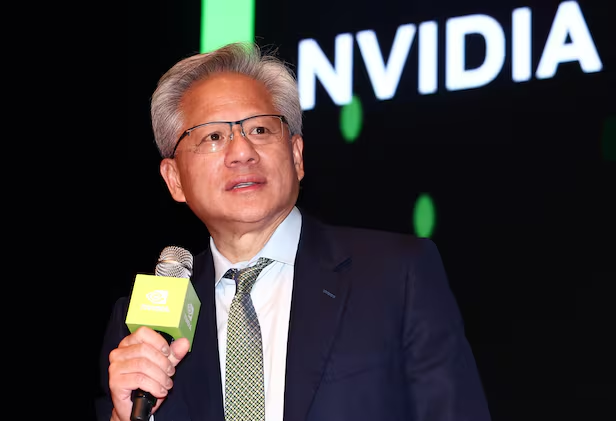
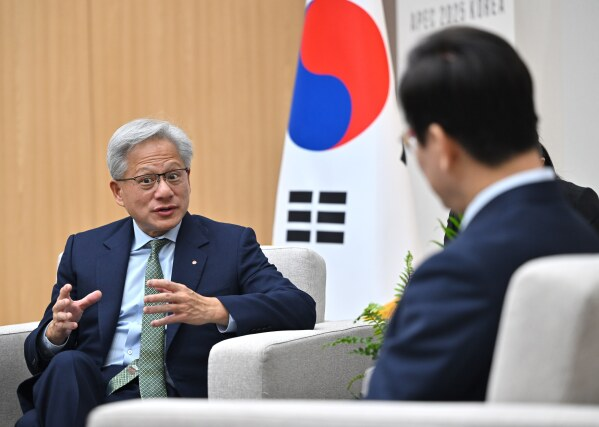
Nvidia chief executive Jensen Huang framed the agreements as part of a broader effort to link data center simulation and fielded systems. Korean industry leaders said the deals will help them move faster to adopt AI that runs on the factory floor and inside vehicles. Observers will watch supply chains and local capacity in the coming months to see how quickly companies move from plans to production.